


Historic UNESCO honour affirms Italian cuisine as a living cultural heritage, strengthened by Parma Food Valley’s culinary legacy and national impact
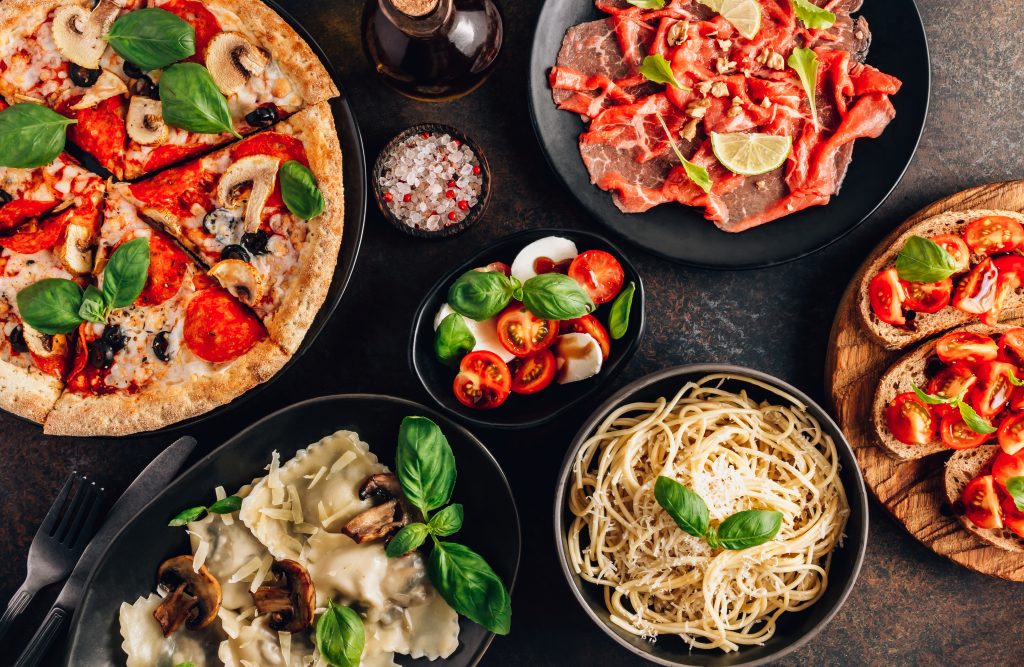
Italian cuisine, celebrated around the world for its simplicity, regional diversity, and deep cultural roots, has officially been inscribed on UNESCO’s esteemed list of Intangible Cultural Heritage. The announcement was made during the UN cultural agency’s annual assembly in New Delhi, marking a historic milestone: Italy is now the first country to have its entire national cuisine recognized, rather than a single dish or regional food tradition.
Italian Prime Minister Giorgia Meloni called the recognition a proud moment for the nation. “We are the first in the world to receive this recognition, which honours who we are and our identity,” she said, emphasizing that Italian cuisine represents much more than food: it is culture, tradition, work, and a cornerstone of Italy’s social fabric.
UNESCO characterized Italian cuisine as a cultural and social blend of traditions that reflect intimacy with food, respect for ingredients, and shared moments around the table. From Sunday family lunches to grandparents passing down techniques like folding tortellini or preparing ravioli, the ritual of cooking and eating together is considered an essential expression of Italian life.
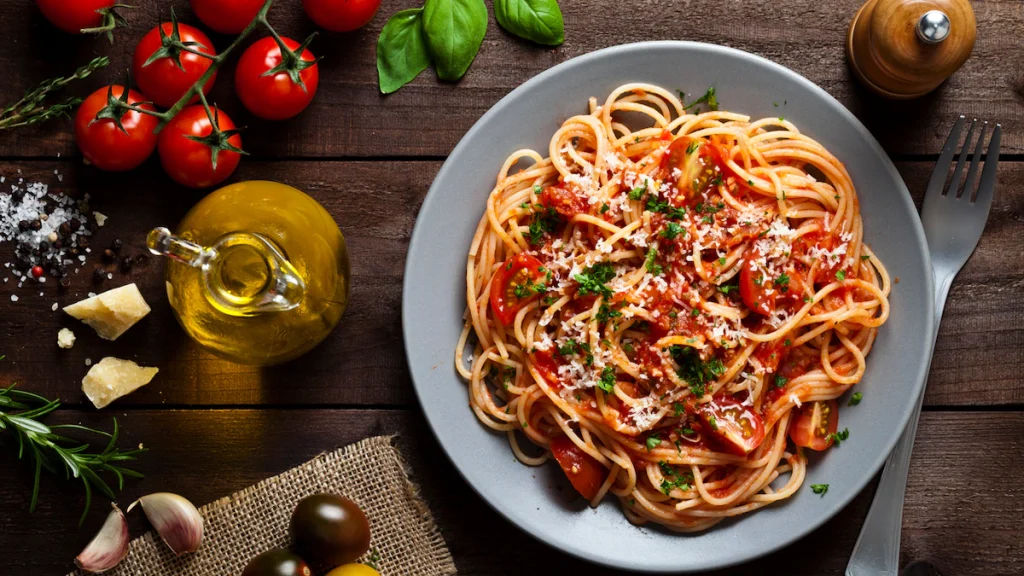
Cooking and eating together is considered an essential expression of Italian life.
Italy’s bid underscored these values—focusing on seasonality, sustainability, minimal waste, and immense regional diversity—positioning Italian cuisine not just as a collection of world-famous dishes, but as a living cultural practice that unites families and communities.
Parma Food Valley: A driving force behind the nomination
While the recognition celebrates all of Italy, Parma Food Valley played a decisive role in the nomination process, contributing significantly since the effort began in 2020. With its unmatched heritage in food production, craftsmanship, and agricultural tradition, Parma represents the beating heart of Italy’s gastronomic identity.
The region’s economic impact underscores its importance:
Parma’s food sector represents 5% of the entire Italian food market, according to ISTAT.
More than €11 billion in revenue is generated locally out of roughly €200 billion nationwide.
In 2024, Parma ranked 3rd among all 110 Italian provinces for food export revenue, reaching over €5 billion.
The Parma area is home to 1,052 food companies, employing more than 15,000 people.
This density of culinary expertise—spanning iconic products like Parmigiano Reggiano, Prosciutto di Parma, and a constellation of artisanal specialties—helped strengthen Italy’s case for recognition as a global centre of gastronomic excellence.
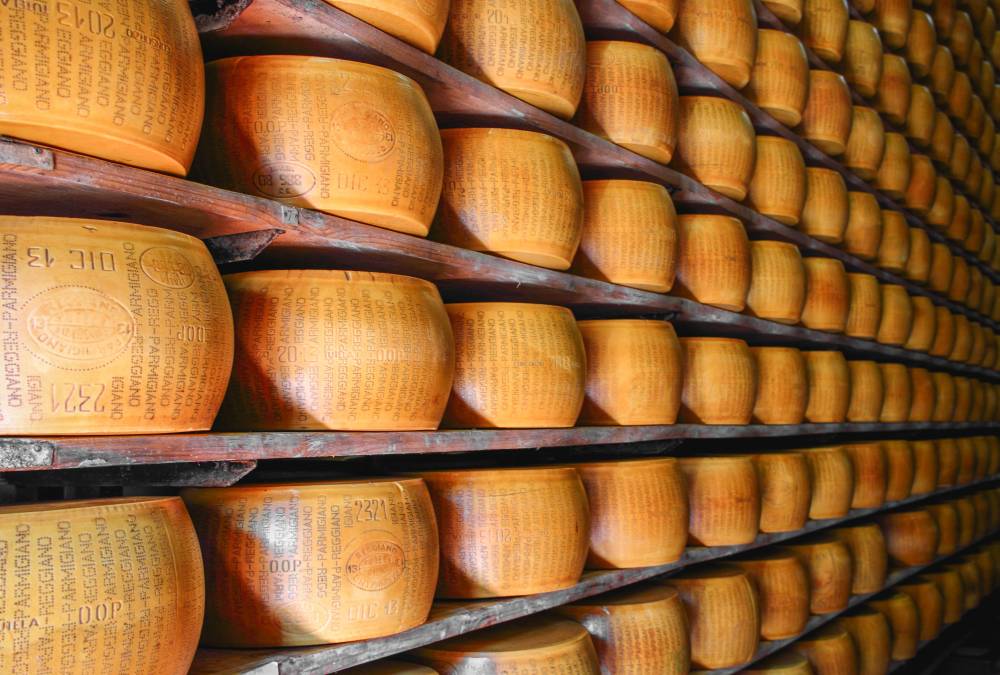
The ‘King of Cheeses’, Parmigiano Reggiano is a major protagonist at dinner tables worldwide.
Italy has long been prominent on UNESCO’s lists, with existing intangible heritage items that include Neapolitan pizza making, the Mediterranean diet, Sicilian puppet theatre, and the craftsmanship of Cremona violin makers. But this new designation, encompassing Italy’s culinary identity as a whole, marks an unprecedented achievement.
As Pier Luigi Petrillo, a member of Italy’s UNESCO campaign, explained: “Cooking is a gesture of love, a way in which we tell something about ourselves to others and how we take care of others.” The rituals of preparing food, gathering at the table, and sharing meals—formal or informal—are traditions “not very common around the world,” he noted.
A boost for tourism and cultural influence
Experts predict this designation will drive tourism and increase global interest in Italy’s culinary traditions, much as previous UNESCO recognitions—such as the prosecco hills of Veneto or the bush vine cultivation on Pantelleria—have done. Following UNESCO’s acknowledgment of Neapolitan pizza-making in 2017, accredited pizza-making schools grew more than 400%, signaling the potential for even wider economic and cultural ripple effects today.
Already beloved worldwide, Italian cuisine’s newly recognized status reinforces its role as both a national treasure and a global cultural force. As Parma’s influence demonstrates, Italian food is not only delicious—it is an expression of identity, craftsmanship, and community that continues to evolve while honouring centuries of tradition.
– With files from the Associated Press