


Priced out of Bordeaux? Feeling the financial pinch of a Burgundy affliction? It’s time to introduce you to the Loire Valley
If you ask a pedigreed, deep-pocketed collector what they’re looking for, chances are they list off first-growth or premiere-cru—big names from iconic regions. Ask a sommelier what’s in their cellar and it’s likely they’re loving wines of the Loire Valley.
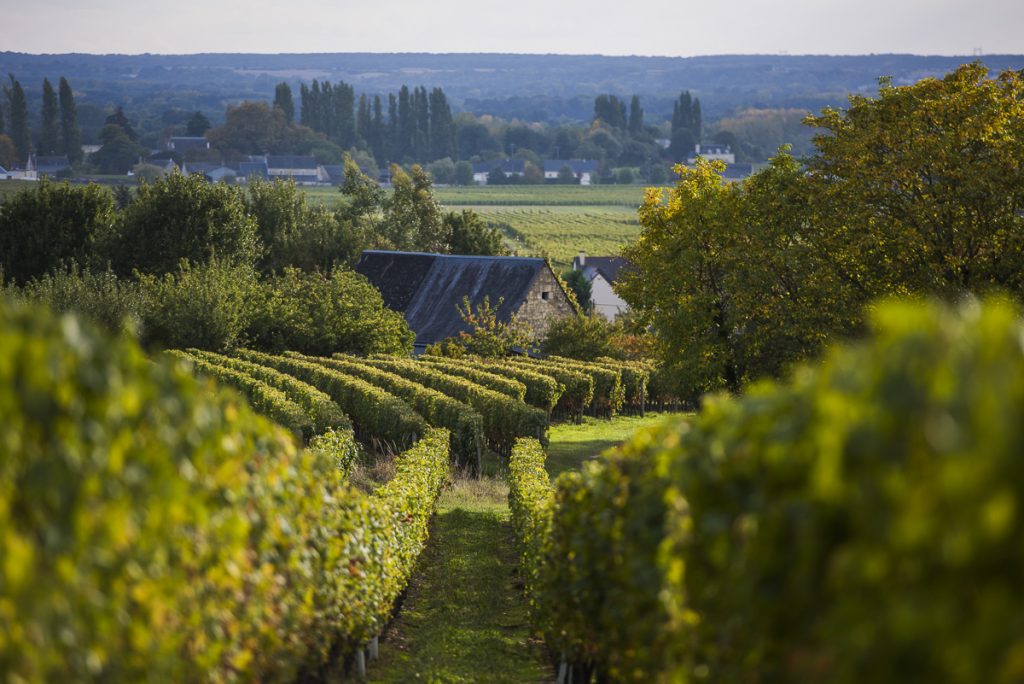
The Loire Valley stretches almost 1,000 kilometres across Western France, from the port city of Nantes, through Sancerre and to the climbing foothills of the Massif. Drinkers at any level will fall in love with the valley.
Read Also: What’s the wine of tomorrow?
It’s easy—the Loire is a hot spot for sauvignon blanc, the holy land for chenin blanc. Then there’s the sea-kissed wines of muscadet, and the increasingly serious, age-worthy reds of Chinon and Anjou. The celebrated sauvignon blancs of Sancerre and, as Champagne prices rise, the allure of Cremant de Loire is strong.
“Loire Valley can be one of my top priority wine regions,” says Sri Velegala, sommelier for Liberty Entertainment Group and chair of sponsorship for CAPS Ontario. “From mineral-driven dry white wine to off-dry white wines, sweet wines and traditional sparkling wines. It doesn’t stop there. Red? Of course! Cabernet franc and cabernet sauvignon.”
Variety is a big draw, but for discerning drinkers, the Loire is ripe with top-shelf gems to pick from. Names like Nicolas Joly, Didier Dagaueneau, and Anne-Claude Leflaive are drawing sommeliers in with their elegance, expression, and visceral impact.
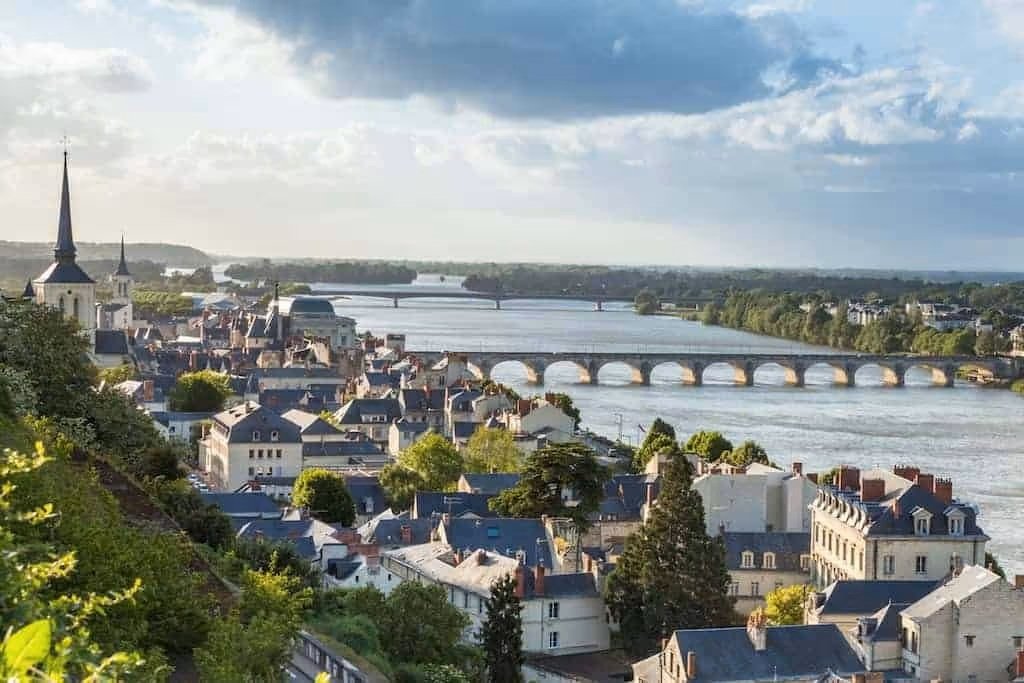
It’s no wonder that drinkers at any level will fall in love with the Loire Valley.
And because these iconic producers don’t get the same airtime as say, DRC or Chateau Margaux, the prices are much more approachable to savvier or younger collectors—valuable, especially given the price of living these days. Are you aware of how much a martini costs in Toronto now? The going price for white Burgundy?
“The Loire Valley remains a sommelier’s favourite,” says Christian P. Hamel, the wine director at Harbour Sixty and CAPS’ Best Sommelier in Ontario in 2025. “When it comes to chenin, it offers the freshness of riesling, the fruit weight of Alsatian pinot gris, the versatility of chardonnay, and, at times, the oxidative intrigue of Jura. While certain unicorn producers can fetch high prices, they still represent relative value compared to Burgundy at a similar echelon.”
Loire 101
Velegala is excited about the Loire’s diversity. He cites Nantes’ Muscadet, known for its mineral-driven, light bodied white wines. When young. “When there is aging involved, over the years it can develop more body and structure through the sur lie aging,” he says. Curious? Try Domaine Salmon or Domaine Chereau-Carre.
He’s also into sparkling wines from Saumur, along with their still chenin blancs and cabernet francs. ”Domaine Bodineau is praised by critics as one of the divine producers,” he says. “Domaine Arnaud Lambert is one of the youngest wineries in Saumur. If you are looking for delicious wines with affordable price tags, look nowhere else.”
Ready to fall in love with the Loire? The following producers are the best of the best—elegant, age-worthy, and well worth falling for:
Clau du Nell
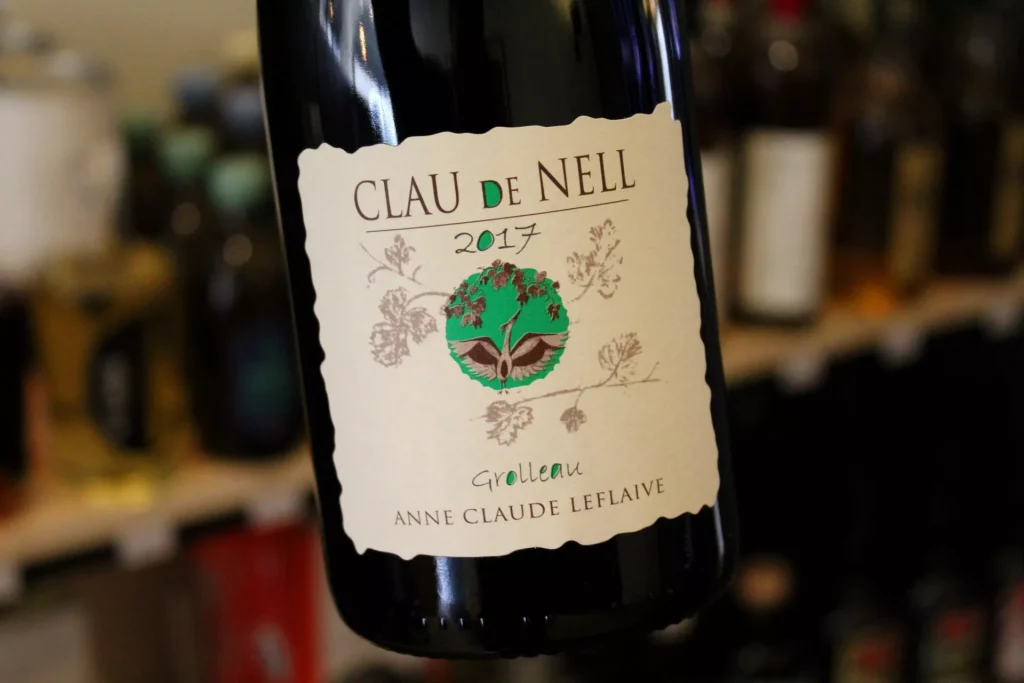
This little estate in Anjou has been in existence for over 100 years, but it wasn’t until the early aughts when the biodynamic winery caught the attention of Anne-Claude Leflaive, the Puligny-Montrachet prodigy behind Domaine Leflaive.
She purchased the property in 2008. While she passed in 2015, she set up the domaine to show off the potential of the Loire. There’s a crunchy, moody Grolleau, and vibrant, lively, age-worthy cabernet franc and chenin blanc. If you can get your hands on it, a still blanc de noir, made from cabernet franc, is incredibly special.
Mark Angeli
Hamel praises the elegance and specialness of Angeli’s wine. “His domain, La Ferme de la Sansonnière in Thouarcé (Anjou), produces wines that are both soulful and—at least in comparison to his protégés—more accessible. From Angeli’s orbit emerges a lineage of some of the Loire’s most elusive bottles.”
Dagaueneau
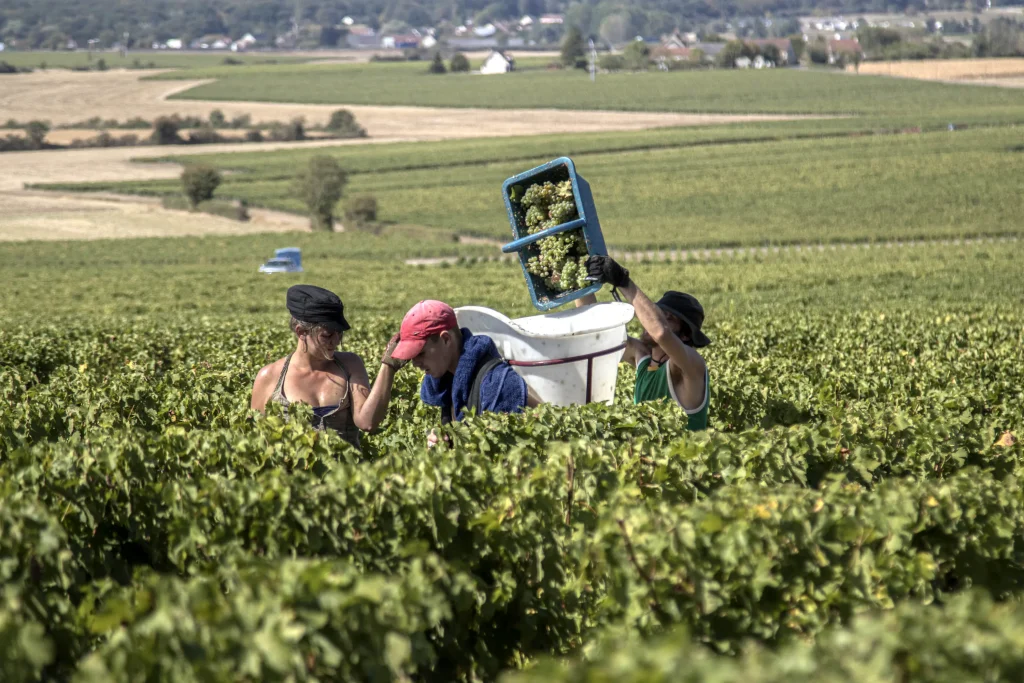
“The Loire is an area where natural winemaking is championed to the highest level. If biodynamics is your gospel, you probably already know Domaine Didier Dagueneau situated in the village of Saint-Andelain in Pouilly-Fumé,” says Sarah McCauley, the corporate wine director for Glowbal Group.
Dider Dagueneau has always been one for adventure: he raced motorcycle sidecars in the 70s, then switched to dog-sledding, competing internationally before decamping to his hometown of Pouilly-Fume to set up his own estate. He immediately dug into hyper location-specific, single-parcel wines, which are now irreverent. Pur Sang is pure and compelling, a precise expression of Saint-Andelain while the culty Silex is his take on a Grand Cru sauvignon blanc.
“These are age-worthy whites,” McCauley says. “Silex (named after a flinty soil of the region) the Domaine’s top cuvée plucks grapes only from the highest slopes of the vineyard. This barrel fermented, cellar worthy wine is a must for any oenophile. A beautifully tense expression of stone fruit, herbs and spice, which soften with time in the cellar.”
“If you want to drink now, reach for a bottle of Pur Sang,” she continues. “Grapes are sourced from gentler slopes of clay and limestone. Fresh, crisp and elegant, with that touch of balanced, well integrated oak you might crave.”
Nicolas Joly
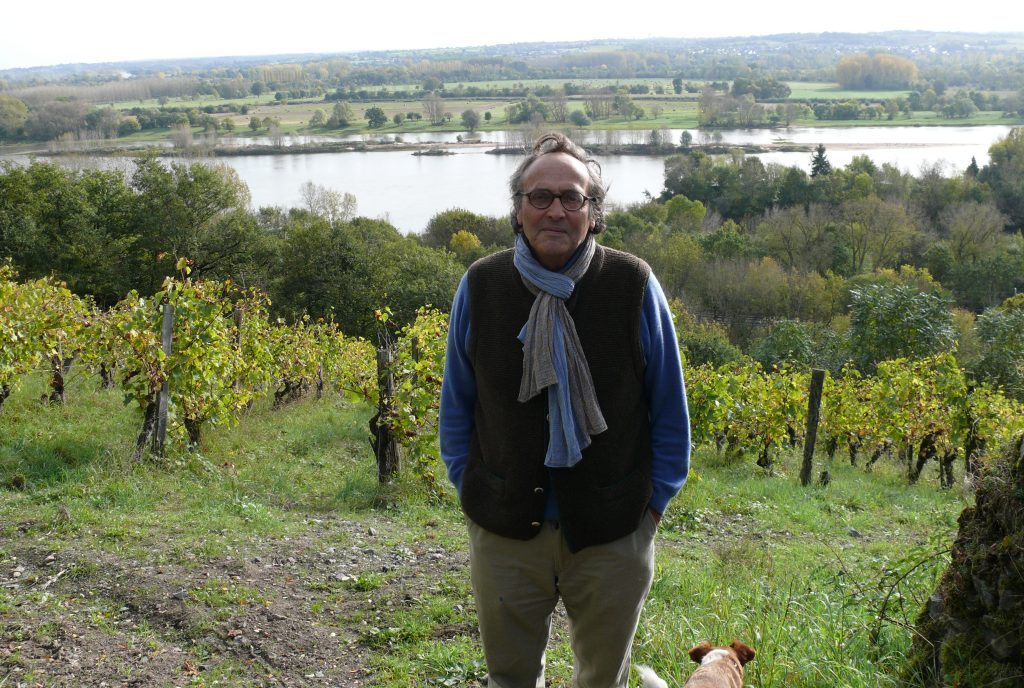
Nicolas Joly is widely known as one of the godfathers of biodynamics—the pied piper to an entire generation of natural winemakers and their followers. But when he started, he was an outcast—his philosophical farming practices were odd and outlandish. Still, he made chenin blancs with character. They’re experiential, for sure—each bottle takes you on a journey—but introspective and curious.
Domaine Guiberteau
This 100-plus year-old estate has been dedicated to chenin blanc and cabernet franc the Saumur way, the crown jewel of chenin country. The whites are rich in pineapple and chalk, and quietly confident in their elegance.
Clos Rougeard
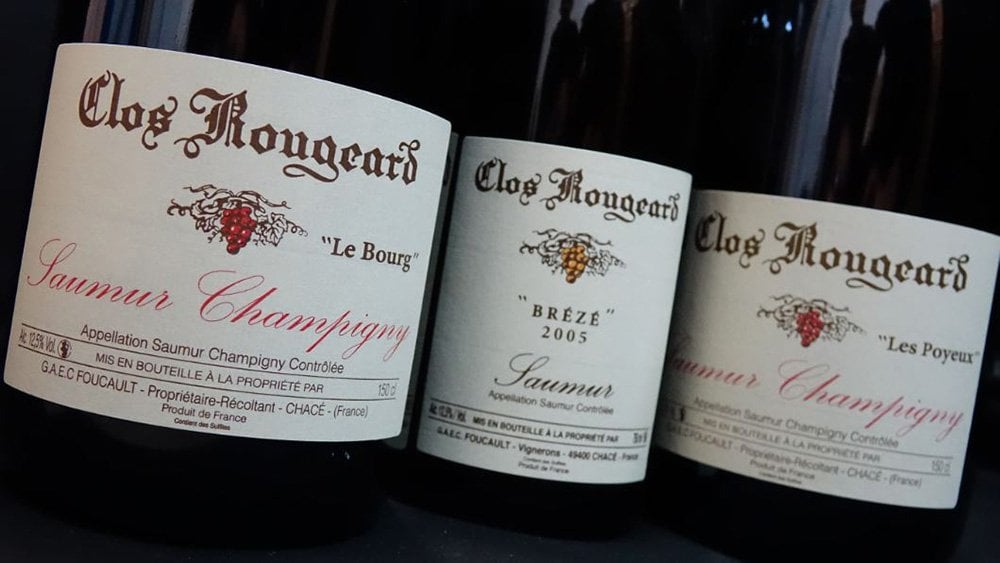
Then there’s Clos Rougeard—the top-tier, upper-crust of collectible Loire. The vineyards were established in the 1600s and have been stewarded by eight generations of Foucaults. They only make a few thousand cases a year (all chenin blanc and cabernet franc) and all are snapped up quickly.
Richard Leroy
Hamel considers Leroy the top of the top in the Loire—a maker of undeniably cultish dry chenin blancs. “Entry-level cuvées might still be found around €100 in a savvy Parisian cave, but the best bottles rival Grand Cru Burgundy in both stature and price.”
Château de Bonnezeaux
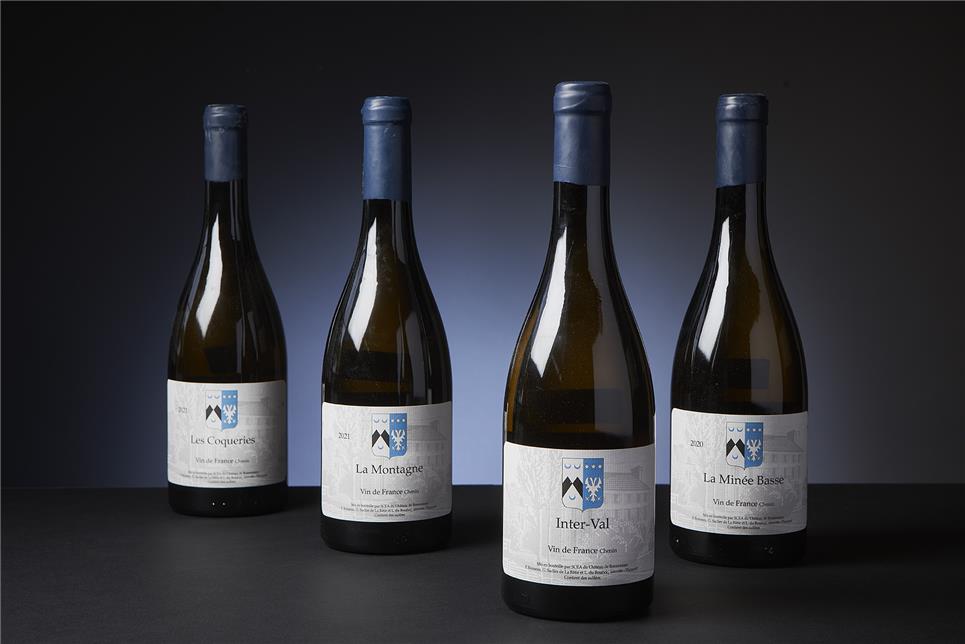
“Then there is Château de Bonnezeaux, whose labels pay homage to Mark Angeli’ aesthetic,” says Hamel. “Stylistically, the wines echo his precision and depth, but at a fraction of the price.”
The estate dates back to the early 19th century but it fell into disrepair as decades went on. In 2012, the family decided to revive the property. They moved away from the sweet wines they were known for and harder into biodynamics, helping build their irreverence.
Domaine Aux Moines
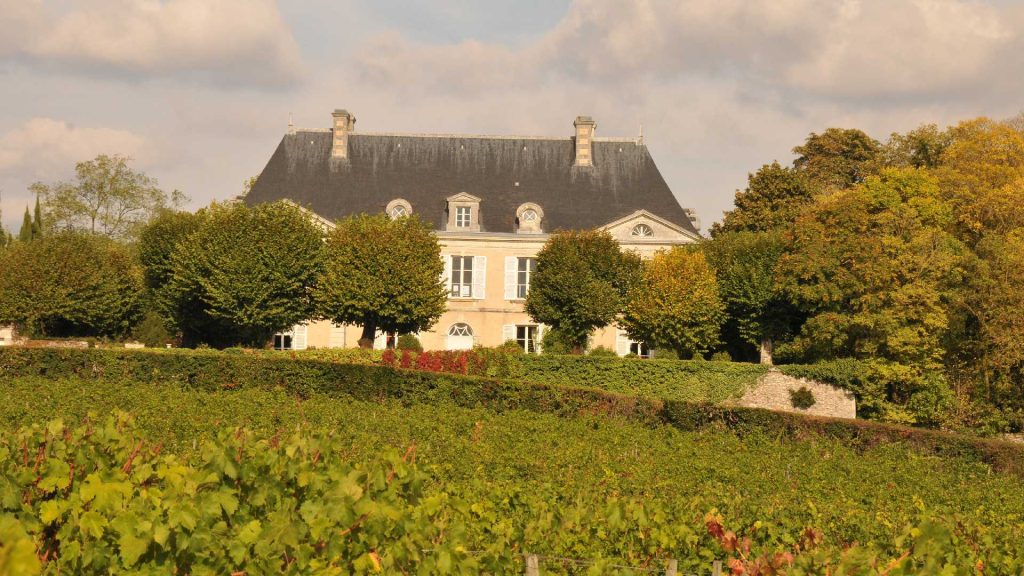
Savennières-Roche aux Moines is hallowed ground for chenin blanc. When grown here, the grape takes on otherworldly qualities—a shimmering minerality, deep tension, intensity, and an impeccable age-worthiness.
Domaine Aux Moines (Joly’s neighbour) was founded in 1981 by Madame Monique Laroche, though there are records of vines being planted on these lands way back to the Middle Ages. Her daughter, Tessa, now heads up the estate and makes some of the most enthralling and exciting white wines, dripping in minerality and depth.
Can’t get your hands on any of the above? Understandable. Producers like Baudry, Breton, Arnaud Lambert, Domaine de Belleviere and Clos du Tue-Bouef are all eternal favourites and are available more widely.
In the central Loire, Velegala loves Domaine Vacheron (“terroir-focused and organic, biodynamic practices deliver wines with purity and depth”), Domaine Delaporte (“his flint-style wines are great to hold”), and Francois and Pascal Cotat (“white limestone soils contribute concentration and texture that develops over age”).
– Kate Dingwall is a contributing editor with VineRoutes