


Gillian Marks, PhD. explores the AVAs, small towns, and winemakers shaping Sonoma’s enduring legacy
It has been years since my last visit. When I lived in the San Francisco Bay Area I took it for granted. In the intervening years, I have developed an interest in wine, and Sonoma County, which was a stone’s throw from my home, is now even more spectacular than it was more than 30 years ago when I left the area.
Even in late November, the landscape is still lush, and the winding roads and rural areas invite the visitor to stop and explore. Small towns branch off the main highway and they offer a plethora of cafes and restaurants – each with menus replete with local wines.
Read Also: Off the Beaten Path: Exploring the Carmel Valley wine scene
Sonoma County has a total of 19 wine appellations – AVAs, or American Viticultural Areas. The AVAs span a variety of valleys, some of which abut the Napa County line. Others extend right to the coastline north of the Petaluma Gap.
This visit found me traversing the northern portion of Napa County and moving further north into Sonoma County starting in Santa Rosa and traveling up to Windsor and on to Healdsburg. While this is mostly the Russian River Valley and Green Valley AVA, the vineyards and wineries I visited make estate grown wines and also plant or purchase grapes from other Sonoma County AVAs and other counties for their bottlings.
This entire experience was not about wine snobbery or even finding lavish grounds and chateau-style experiences, rather, it was about connecting with the people who make the wine because they love the land and the agriculture that spawns the ingredients for their passion.
I’ll start at the southernmost part of my journey and move north from there:
Failla Wines
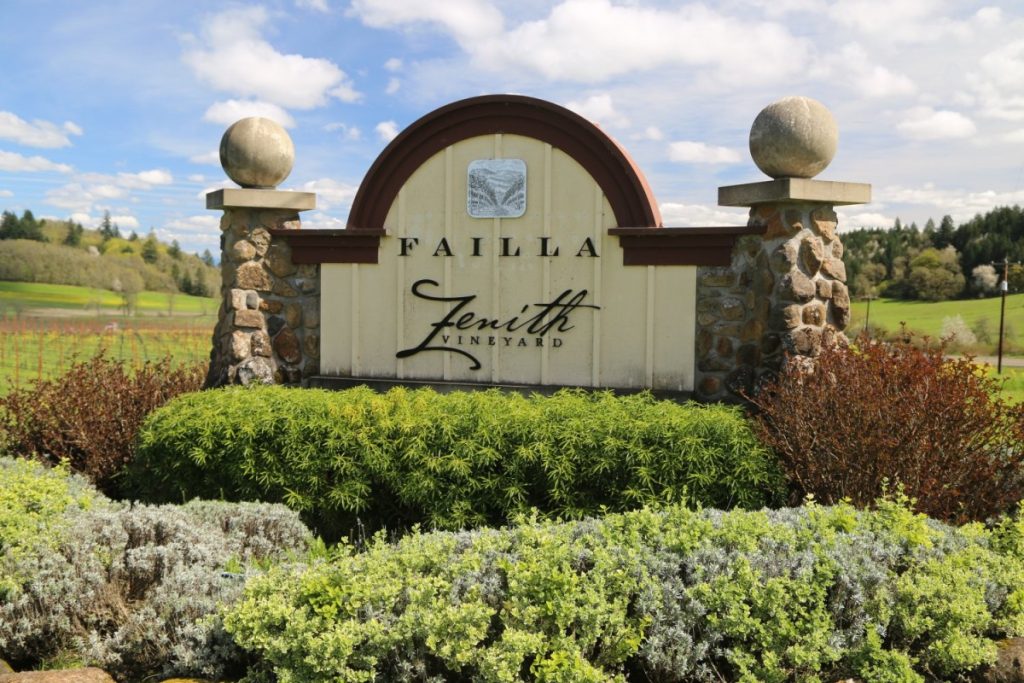
To get to Failla’s tasting room at their Lodge there is a winding road off the North Silverado Trail. If that sounds like a country and western song, well that’s fairly close to reality. The vineyards are planted on former apple orchards where they also made cider back in the day. The Lodge was built in 1939 and when you walk into the space, you are walking back in time and feeling the history of respect for the property. The old bookshelves are home to books and memorabilia that harken back to a more peaceful era.
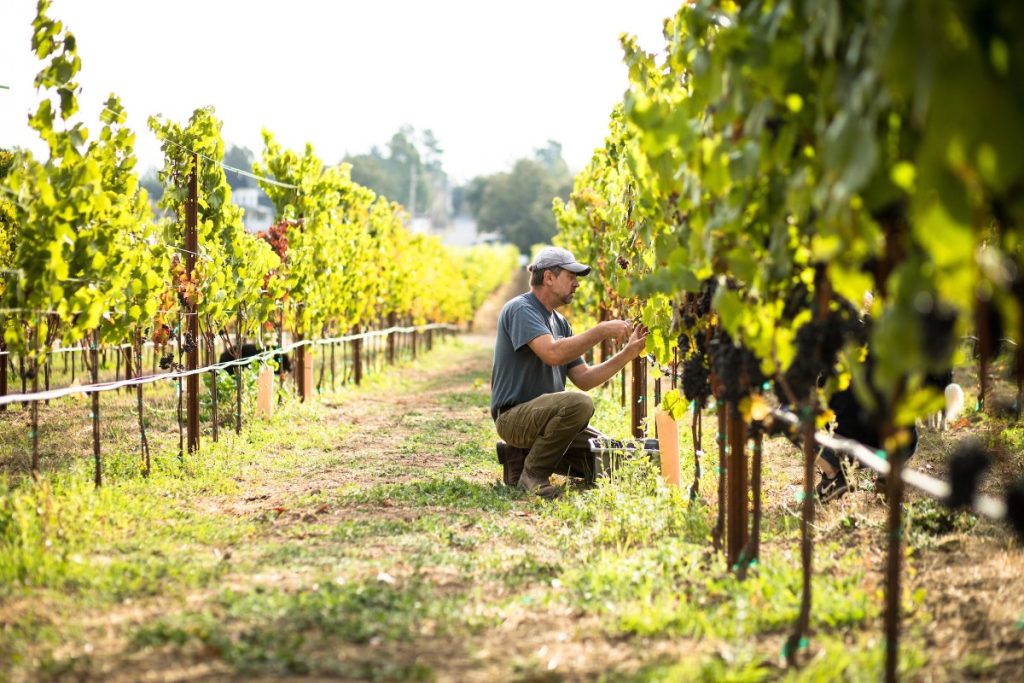
The vineyards have vines dating from 1989 and the family who own the property have made this an organic and biodynamic endeavor. Minimal sulfur is used, and the flavour and style of the wines show attention to detail. The 2014 Keefer Ranch Pinot Noir is a library wine that is still spirited and lively. It shows ripe cherry, red raspberry, vanilla, baking spice and an earthiness from aging.
The winemaker now uses concrete eggs for fermentation and aging as its shape is ideal for continued natural mixing. The menu of wines also includes a Rueling Vineyard Chardonnay that has some tropical and vanilla notes and is fresh, rich and smooth. Failla has only two acres dedicated to chenin blanc, and the Jurassic Chenin Blanc is 100 percent varietal showing crispness which is refreshing with plenty of lime, lemon rind, grapefruit, minerals and blossom.
Most of the wines are in the $35 USD to $65 USD range, with a few around $95 USD. The quality of the wines, at current and older vintages, is tangible.
Bellacana Vineyards
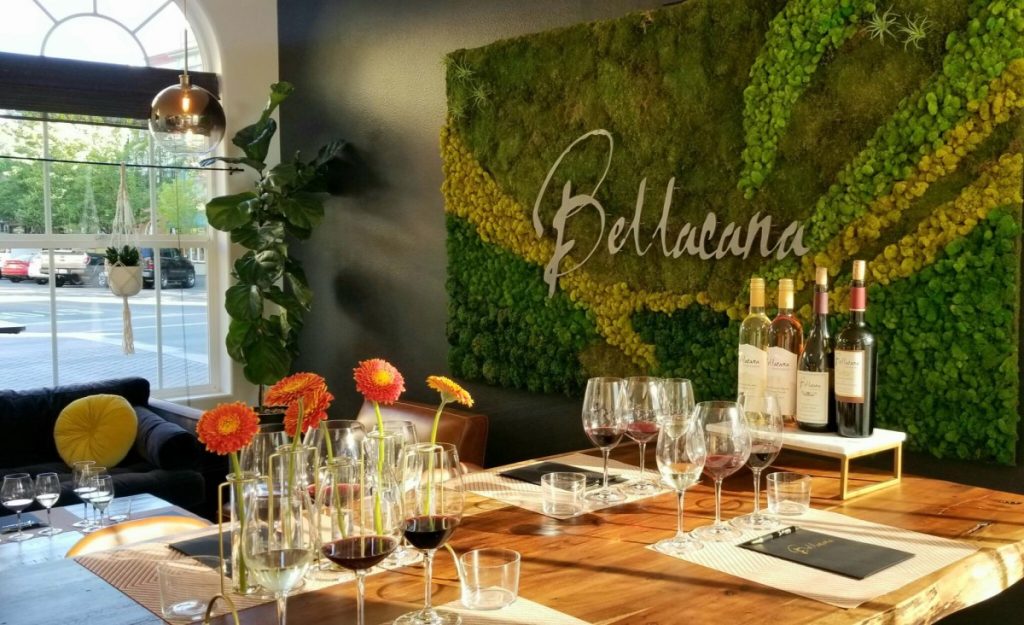
Just north of Santa Rosa is the town of Windsor. In the town centre is a tasting lounge for Bellacana Vineyards. The vineyards in the Alexander Valley are tribally owned and as their website states they are, “Inspired by our rich heritage, we are fueled by a vision to create wines that celebrate the land, culture, and traditions that shape who we are.” Bellacana is one of a very small number of Native American owned wineries across the United States.
Certified sustainable and organic, the tribal community owns over 130 acres where they cultivate cabernet sauvignon, sauvignon blanc and chardonnay grapes. They bottle 100 percent varietal and blended products that are top quality and delicious.
Almost all their wines are in the $25 USD to $75 USD range. The 2019 Sonoma County Red Blend “Indigenous” is a great reflection of their winemaking talents. It is aged in 40 percent new French oak, and shows ripe black fruits, baking spices, cedar, and leather in a full-bodied wine that has a smoothness and the ability to bottle age. The bottle label includes a depiction of a traditional basket of the Dry Creek Band of Pomo Indians – the Band that owns the tribal winery.
Stuhlmuller Vineyards
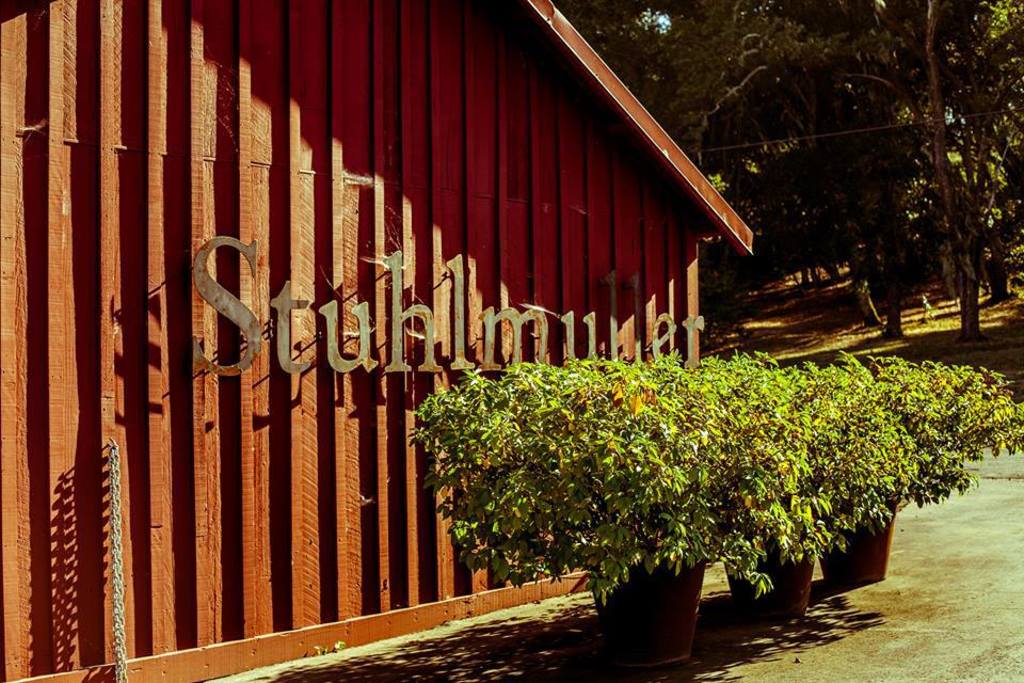
Entering the Alexander Valley and driving into the heartland of the County, you will find Stuhlmuller Vineyards. Family-owned, this is a true farm experience. The vineyard manager has worked there for 13 years and is a mine of agricultural information. The vineyards are focused on chardonnay, cabernet sauvignon and zinfandel but they also have a lesser amount of the Bordeaux varietals. They bottle only a small fraction of what they grow as a Stuhlmuller product. The majority is sold to large winemaking businesses, including well-known names such as Silver Oak.
The cost of doing business in the valley is high and growing grapes to sell requires dedication and hard work. Crop loss can be devastating to any vineyard but investment to make the grapes the best they can be is also risky so it’s a balancing act between what to grow, mother nature, and market price for the product.
Market pricing for the Stuhlmuller label wines is $35 USD to $75 USD with a standout cabernet at $95 USD. The wines are approachable, and they are expressive and well crafted.
V.M.L. Wine
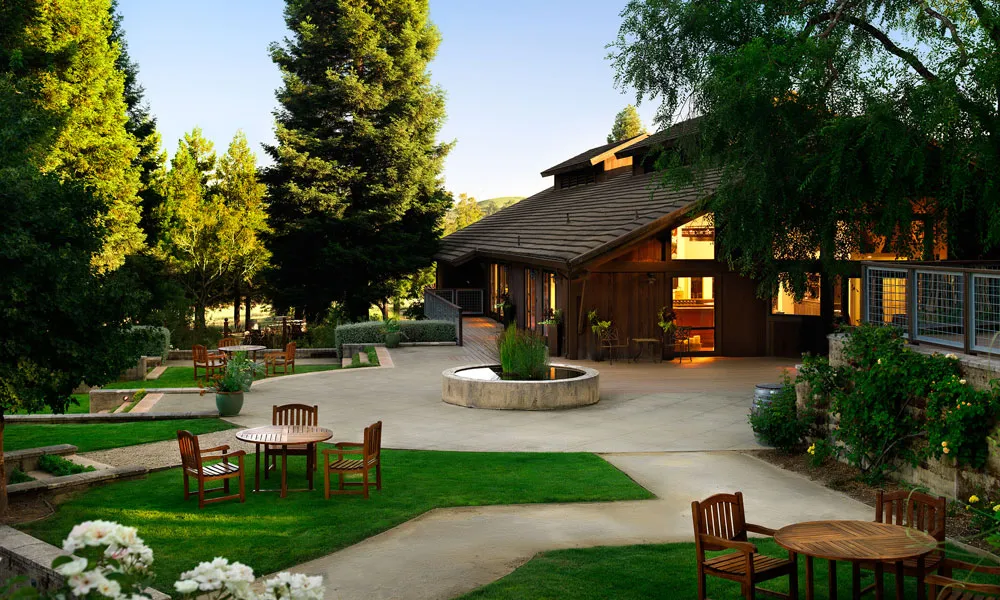
In the centre of Healdsburg is an unassuming tasting room with a sign above the door that could just as well be an architect’s office or a legal suite. Simply, V.M.L. are the initials of the originator of the winery which has since become part of the Truett Hurst portfolio.
V..M.L. showcases the Russian River Valley where they cultivate grapes, and the wines they craft with grapes from the Santa Cruz Mountains. The pinot noir suite of wines is a broadsheet and boasts a grape expression for every palate. Fruity, spicy, dry and deep, the winemaker uses skill and understanding to coax the best flavours out of the fruit. The Svengali Syrah grapes are from the Dry Creek Valley and the wine is intense and deep with a richness that promises great aging power. The reds price from $40 USD to $70 USD and the rose of pinot is around $30 USD.
Rockpile Vineyards
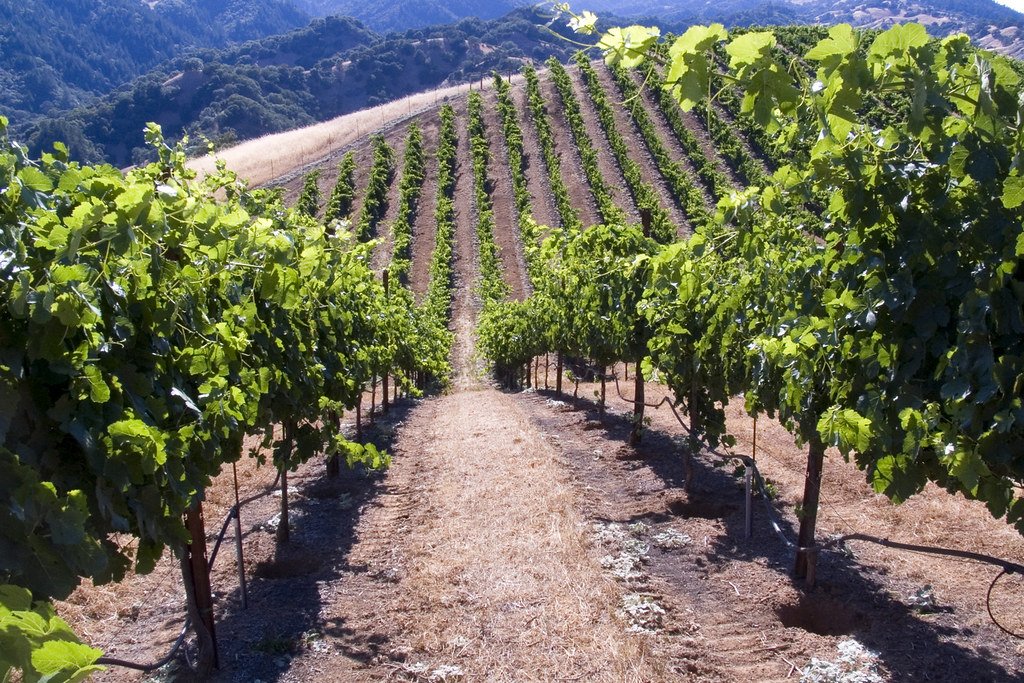
Not too far from V.M.L. in the centre of Healdsburg is the Rockpile Vineyard tasting lounge. It is modern, sleek and bright, and the tall bar is a welcoming crescent shape that lends itself to siting and tasting.
It is hard to imagine how such an incredibly small area can produce some of the best fruit. Rockpile Vineyards are in ”…One of the smallest AVAs in the nation, producing ultra-premium hillside fruit for local wine makers.” Zinfandel and cabernet sauvignon primarily hale from this portion of Sonoma County where the bedrock is thick and deep, and the roots of the vines have to work extremely hard to get a footing and thrive.
Rockpile Ranch is the oldest Rockpile zinfandel vineyard planted in 1992, but it also hosts petite sirah, cabernet franc, and a smaller number of Bordeaux varietals. Priced around $50 USD and $90 USD the wines are primarily red single varietals and blends, plus a chardonnay.
There are plenty of places in Sonoma County to try local cuisine, and no shortage of wonderful small cafes and bakeries with treats and temptations sure to delight even the most discerning of palates. Wine lists in almost all the eateries feature local vineyard bottles, and everyone I met was more than willing to offer suggestions for pairings with a meal.
This part of the California coastline is not full of itself, although it has every right to be. Cool Pacific breezes and warm sunlight freshen and ripen the grapes giving the vintner an array of reds and whites to play with. The winemakers of Sonoma County are not over extracting their fruit, and everything I tried felt like they wanted the consumer to experience the best expression of their craft, simply.
– Gillian Marks, PhD. is a contributing editor with VineRoutes