

Surge in Ontario wine sales tied to patriotic sentiment amid U.S. trade tensions, say Brock University experts
As sales of Ontario wines surge and the “Buy Canadian” movement gains momentum, experts from Brock University say there’s never been a more critical time for wineries to embrace and promote their Canadian identity.
Since the LCBO removed U.S. wines from its shelves in March — a move sparked by ongoing trade tensions — Ontario wine sales have jumped more than 60 percent. While reduced shelf competition is one factor, consumer psychology is playing an even bigger role, according to Brock University marketing and consumer behaviour researcher Antonia Mantonakis.
Read Also: Canadian wine isn’t a substitute—it’s a standout
Mantonakis, a professor and Fellow at Brock’s Cool Climate Oenology and Viticulture Institute (CCOVI), explains that campaigns emphasizing national pride — like the “elbows up” movement championing “Canada strong” — can influence purchasing decisions by aligning with consumers’ sense of identity.
“When identity becomes part of the equation, people are more inclined to choose products that reflect that identity,” she says. “That could be something as simple as a Canadian winemaker’s signature on the label.”

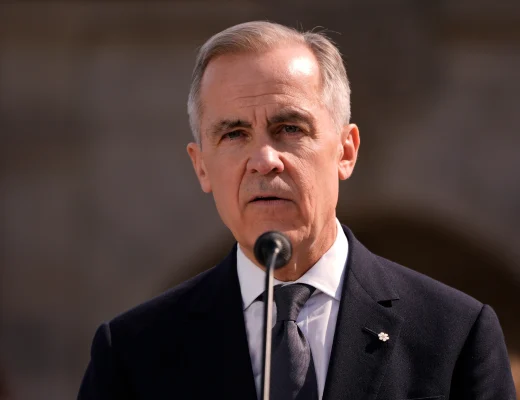
Brock Professor of Marketing and Consumer Psychology Antonia Mantonakis says Canadian wine consumers are more likely to buy products that signal they are Canadian through indicators such as a Canadian winemaker’s signature on the bottle.
Her research suggests that labels signaling a product is Canadian encourage purchases, while those that hint at foreign origins can dissuade them.
Even as U.S. products eventually return to shelves, Mantonakis believes Canadian wines may continue to enjoy a stronger foothold — but only if wineries take steps now to deepen their identity-driven connection with consumers.
That’s where storytelling becomes essential, says Tek Thongpapanl, Professor of Marketing and Product Innovation at Brock and also a CCOVI Fellow.
“This is a rare opportunity for Canadian wineries to lean into the power of patriotism,” Thongpapanl says. “To share their stories, showcase their values, and build emotional connections that go far beyond the bottle.”
According to Thongpapanl, storytelling done well can transform casual buyers into loyal customers — and ultimately into passionate brand advocates.
“Consumers don’t just want to know what you produce,” he says. “They want to know why you do it — and why it matters to them, especially as Canadians.”
He stresses that authentic, consistent messaging across channels — from social media to traditional marketing — can solidify emotional bonds with customers, long after the trade dispute fades from headlines.
“You want your brand to be seen as a reflection of Canadian identity,” Thongpapanl says. “The goal is to turn casual buyers into believers — and believers into ambassadors.”
– With files from Brock University Marketing and Communications