


Enrico Bernardo’s lavish new volume is less a guide to Latin American wine than an invitation to slow down, look closer and dream of the journey
There are wine books you read, wine books you study and wine books you simply want to leave on the coffee table.
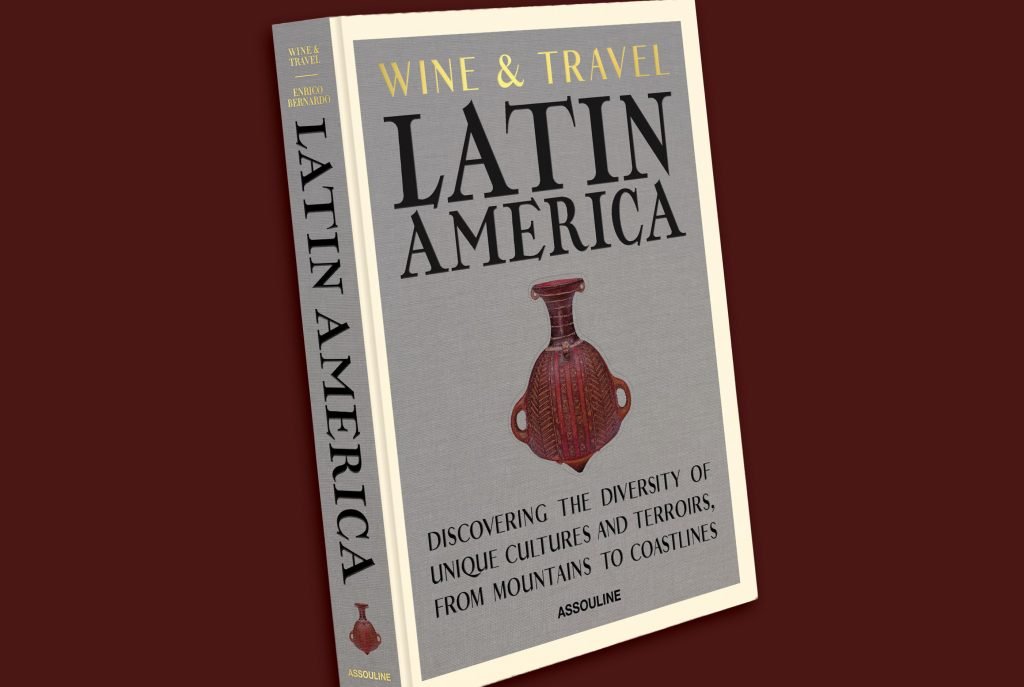
Wine & Travel: Latin America, the latest volume in Assouline’s beautifully produced Wine & Travel series, belongs firmly in the third category—but that doesn’t mean it should be dismissed as a mere picture book. In fact, the more time I spend with it, the more I appreciate that its purpose is not necessarily to teach me something new about Latin American wine, but to make me want to experience it.
Curated by Enrico Bernardo, the celebrated French sommelier who was named Best Sommelier in the World in 2004, the book takes an expansive journey through the continent’s winegrowing landscapes. The route begins in Mexico, continues through Peru, Bolivia, Chile, Argentina and Uruguay, and eventually arrives in Brazil. Along the way, Bernardo introduces readers to producers, places, landscapes, food, architecture and, perhaps most importantly, the people who give these wine regions their character.
Read Also: A landmark book for Niagara wine
I’ll admit that I approached the book expecting wine. What I found was something considerably broader.
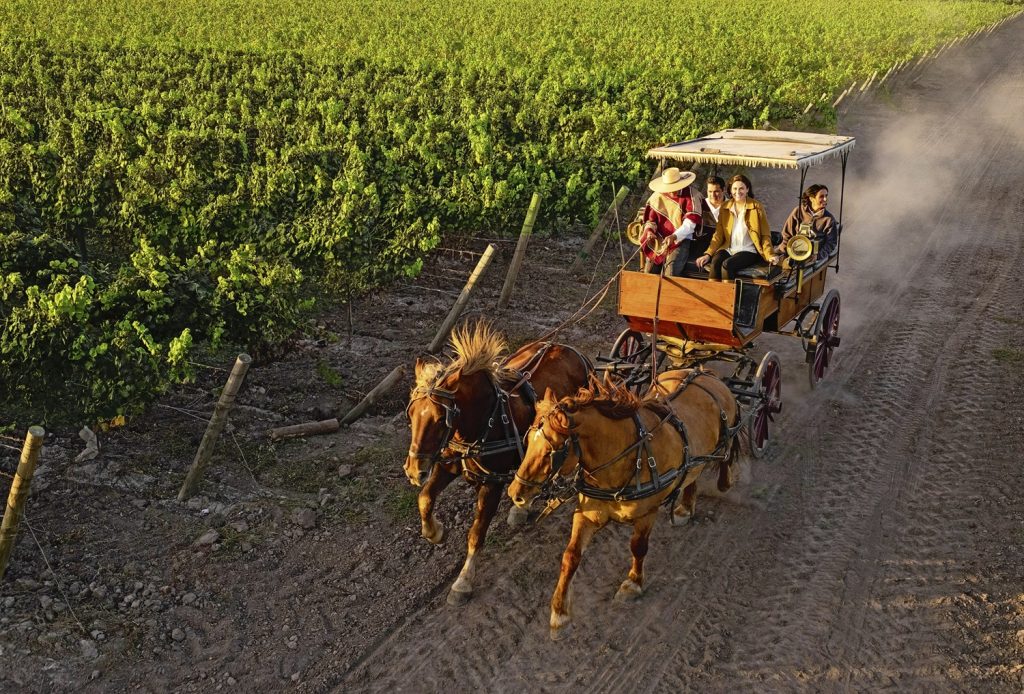
Wine is the thread running through the narrative, but the real subject is place. And that distinction matters. Latin America is not presented simply as a collection of vineyards and bottles. Instead, Bernardo places wine within the larger context of culture and geography: the Andes, Patagonia, the Atacama, coastlines, deserts, forests and seemingly endless horizons. The photographs do much of the storytelling, and boy are they spectacular.
(Courtesy of Matt Wilson of Cephas)
There is something particularly effective about seeing vineyards framed against landscapes that seem almost impossibly vast. In some images, the vines appear to be a tiny human intervention against enormous mountains or open skies. In others, the focus shifts to the architecture, food and people surrounding wine production. The result is a book that feels as much like a travelogue as it does a celebration of wine.
That is also where this book succeeds, where a more conventional wine book might not.
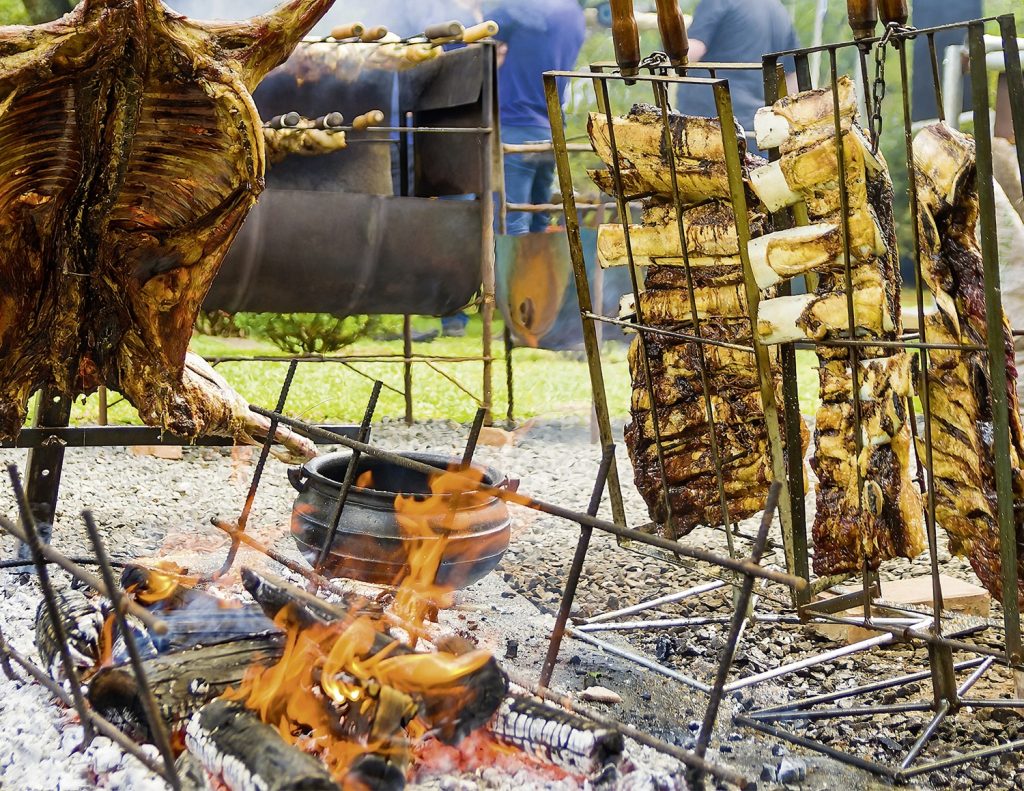
I don’t need another book telling me that Chile has the Andes, Argentina has Mendoza or that South America produces some of the world’s most compelling wines. What I want from a book like this is a sense of what it might actually feel like to be there—to see the landscape, meet the people, sit at the table and understand, however briefly, the connection between a place and what is produced there. Bernardo understands that connection.
(Courtesy of Thiago Santos of Getty Images)
His own background gives the project considerable credibility. His career has taken him from the dining room of the Four Seasons George V in Paris to restaurants, consulting projects and an extensive exploration of the world’s wine regions. His 2018 world wine trip, in particular, broadened his perspective beyond the established names and regions of the wine world. That sensibility is evident here. The emphasis isn’t solely on famous estates or established appellations; there is an appreciation for producers whose work is rooted in tradition, place and a desire to express something distinctly their own. And that, ultimately, is what I found most compelling.
Latin American wine is sometimes approached from the outside through a relatively narrow lens. Argentina means malbec. Chile means cabernet sauvignon and perhaps carménère. Uruguay means tannat. Those associations are not wrong, but they are incomplete. This book encourages the reader to look beyond those shorthand descriptions and see the regions as living, evolving places with histories and cultures that long predate their modern wine industries.
This isn’t, however, a book to pick up when you want to learn the finer points of viticulture, appellation regulations or winemaking techniques. There are no expectations that you will emerge from it as an expert on Latin American wine. And that is perfectly fine. This book’s job is different. It’s about inspiration.
I found myself lingering over photographs rather than moving quickly from one page to the next. It is the sort of book that rewards a slower pace—the kind of book you can open at any time, spend several minutes exploring a photograph, read a few passages and then put down again. It conveys the message that we have to slow down and allow the landscape and culture to reveal themselves.
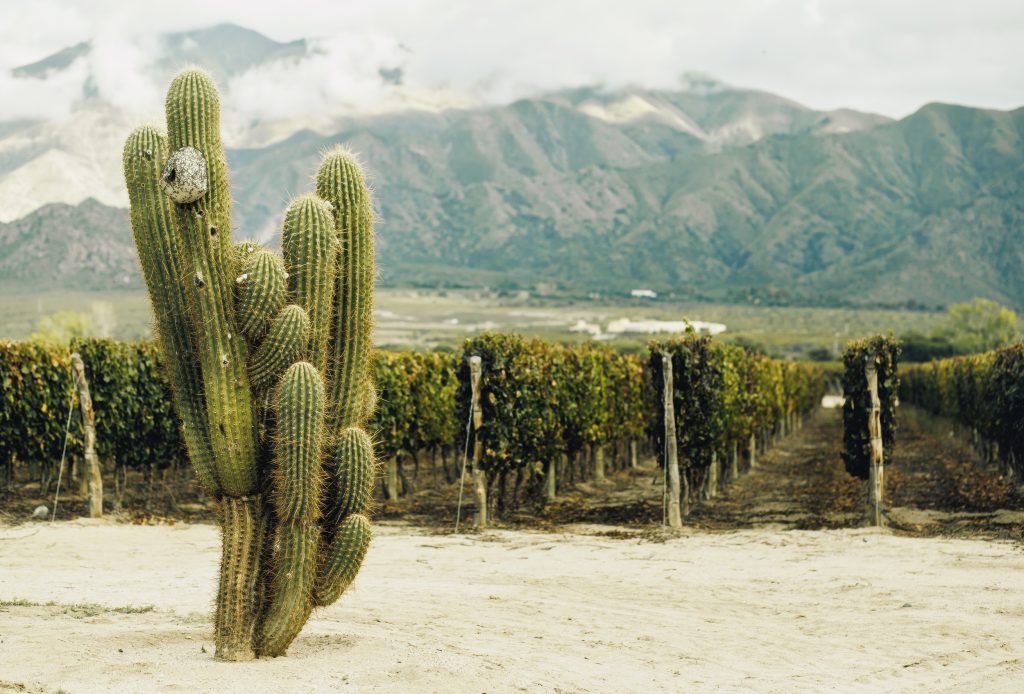
(Courtesy of El Esteco)
The physicality of the book is part of that experience, too. Assouline has become synonymous with this kind of luxurious publishing, and this is very much a product of that philosophy (check out some of their portfolio here). It is substantial, highly visual and definitely designed to be displayed as much as read (I have it sitting on my dining room server, fully on display). Which makes it a somewhat different proposition from the practical wine guides that occupy my shelves. And perhaps that’s the greatest compliment I can give it.
The book manages to do something good travel writing and photography occasionally accomplish: create a desire to see the places for yourself. For a wine publication, that’s a worthwhile achievement.
Wine & Travel: Latin America doesn’t set out to be the definitive guide to the continent’s wine industry, nor should it. It is an invitation to look closer and consider wine not simply as something produced in a particular place, but as one expression of the landscape, culture and people that surround it.
– Carmelo Giardina is the principal editor of VineRoutes