


Proposed 25% tariffs on wine and spirits threaten industry stability on both sides of the border
The escalating trade dispute between the United States and Canada took a temporary turn when U.S. President Donald Trump agreed to a 30-day negotiation period, delaying his administration’s planned 25% tariffs on all Canadian goods. Originally set to take effect on February 4, these tariffs would have significantly impacted a range of industries, including alcohol producers and distributors. In response, the Canadian government had announced its own 25% tariffs on many U.S. products, with American wine and spirits at the forefront of the list.
Similar tariffs against Mexico have also been delayed by a month following negotiations, sparing Tequila, mezcal, and Mexican beer from immediate price hikes. Meanwhile, the White House moved forward with imposing 10% tariffs on all Chinese products, citing illegal immigration and drug smuggling concerns as justification for the sweeping trade actions. The administration has also signaled its intention to impose tariffs on the European Union, further heightening tensions in the global beverage alcohol sector.
The Canadian response
Following Trump’s initial tariff announcement, Canadian Prime Minister Justin Trudeau wasted no time in declaring countermeasures. On February 1, Trudeau announced that Canada would impose 25% tariffs on $155 billion worth of American goods, with alcohol prominently listed among the affected products.
“Like the American tariffs, our response will also be far-reaching and include everyday items such as American beer, wine, and bourbon,” Trudeau stated in a press conference.
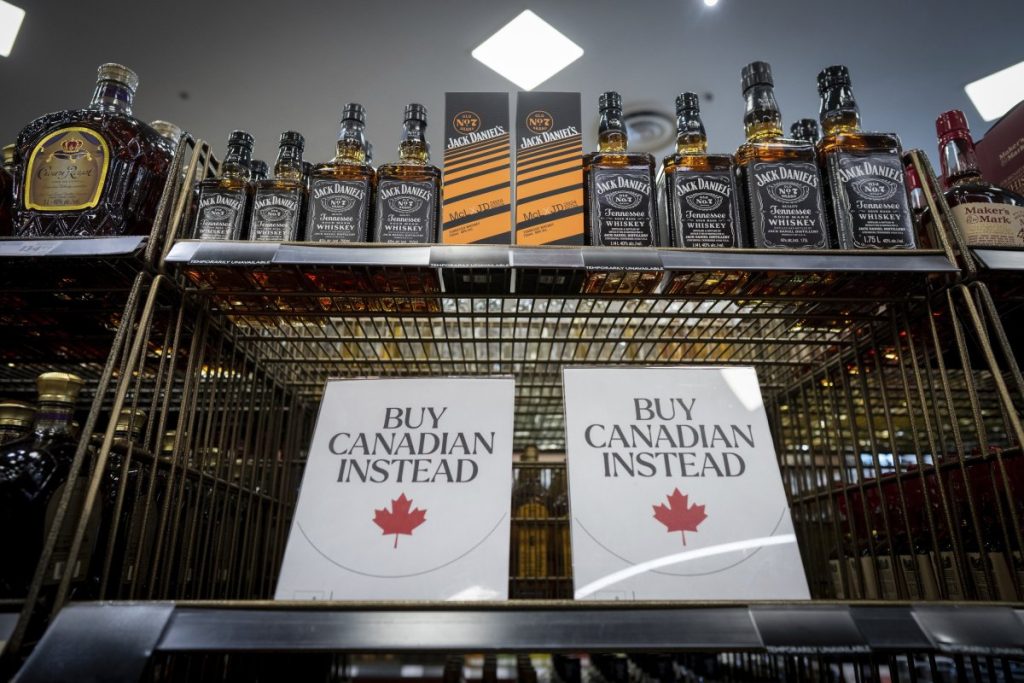
The provincial governments of Ontario, Manitoba, Nova Scotia, and British Columbia took even more decisive action, declaring that American alcoholic beverages would be pulled from the shelves of their respective liquor stores. Ontario Premier Doug Ford announced via social media that the LCBO (Liquor Control Board of Ontario) would also remove U.S. alcohol from its wholesale catalog, cutting off access to American products for Ontario restaurants and retailers.
The economic toll on the wine industry
The timing of the dispute is especially troubling for the wine and spirits sector. With wine sales already facing declines and economic pressures such as inflation and high interest rates raising the cost of business, the prospect of a new tariff war could be devastating. Canada is the single most important export market for U.S. wines, with annual retail sales exceeding $1.1 billion. American wineries have spent decades cultivating their brand presence in Canada, and these tariffs put all of that at risk.
A coalition of U.S. alcohol industry representatives, known as Toasts Not Tariffs, issued a letter on February 2 urging President Trump to exclude wine and spirits from the trade dispute.
For many in the industry, the stakes are high. Importers, distributors, retailers, and restaurants operate on razor-thin margins, and alcohol sales are a vital source of profitability. The introduction of tariffs could significantly harm these businesses, leading to job losses and economic instability on both sides of the border.
With the 30-day negotiation window now in place, industry leaders are hoping for a resolution that spares the beverage alcohol sector from becoming collateral damage in this growing trade conflict.
– More to come on this breaking story