


Wine pros help us forecast the grapes, regions, and styles on the verge of a breakout
One of the only certainties in wine is change.
Vintages fluctuate from climatically disastrous to critically excellent. Then there are the trends—pendulums driven by the consumer’s ever-changing proclivities.
There has been the good: Pouilly-Fuisse—the rich white wine from the Mâconnais region of Burgundy—reigned in the 1970s. The bad: Asti Spumante’ ‘80s era (though the wine is well worth revisiting now). And the ugly: Baby Duck and Gallo’s inexplicably pink Chablis.
Read Also: Canadian wine isn’t a substitute—it’s a standout
White Zinfandel burst into the scene, gave everyone a hangover, and hasn’t really been heard of since. Beaujolais Nouveau est arrivé, was shown the door, then had a recent tongue-in-cheek resurgence at the hands of natural winemakers in France, Canada, and California.
“Like fashion, the wine industry is cyclical—what’s considered old-fashioned or passé often comes back into vogue,” says Jayton Paul, the sommelier at Vancouver’s lauded Published on Main.
What is the next grape or style to enter the hallowed halls of viticultural infamy?
We asked sommeliers to help us predict the wine of tomorrow. Some of these are wishful thinking—grapes and styles on the up-and-up which wine pros would love to see more of. Others are good guesses for the next trendy grape. Read on to find out our forecasts.
New Burgundy
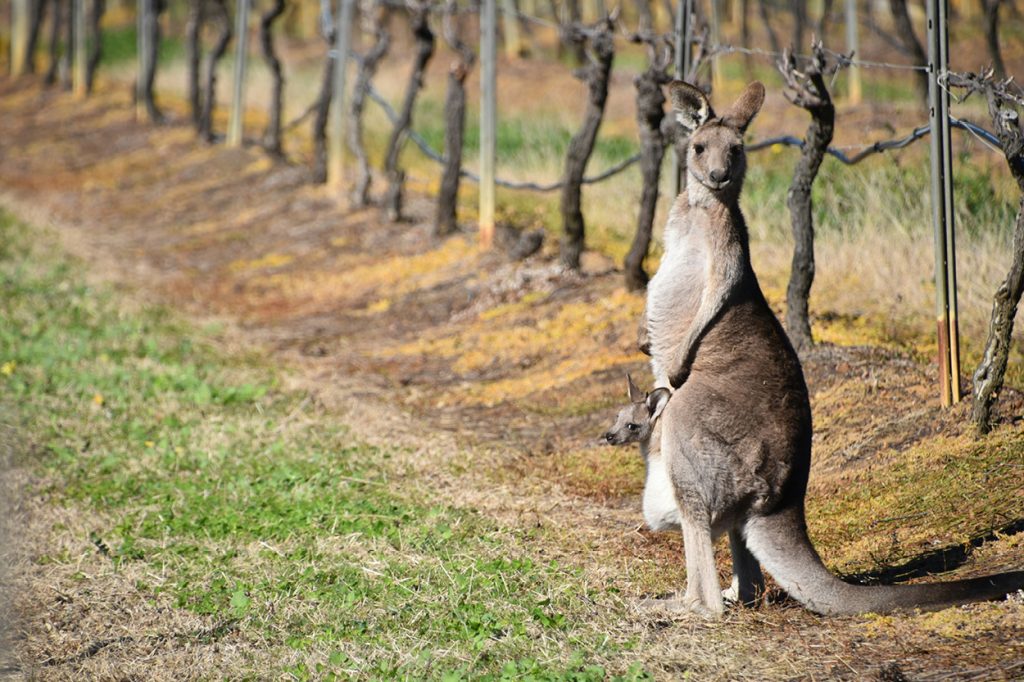
Australia is producing pinot noir of remarkable quality, according to sommelier Christian Perreault Hamel.
My condolences to those who subscribe to the wines of Savigny and Montrachet—Burgundy is expensive now. As drinkers get priced out of even village level Burgundy, Christian P. Hamel, the wine director at Harbour Sixty, has his eyes on the search for New Burgundy.
“Regions such as Germany, Alsace, and Australia are producing pinot noir of remarkable quality—wines that can stand confidently alongside the finest from the Côte d’Or,” he says. “With Burgundy prices continuing to rise and other economic factors shaping consumer choices, these alternatives are poised to gain widespread recognition—once they capture the attention of a broader audience.”
It helps that many winemakers are decamping to Burgundy. “They’re refining their skills and bringing that expertise back to their home regions,” says Hamel. “This exchange of knowledge is influencing both winemaking techniques and viticultural practices, further elevating the quality of pinot noir beyond Burgundy’s borders.”
Look for: Madson, Bachelder
Sancerre
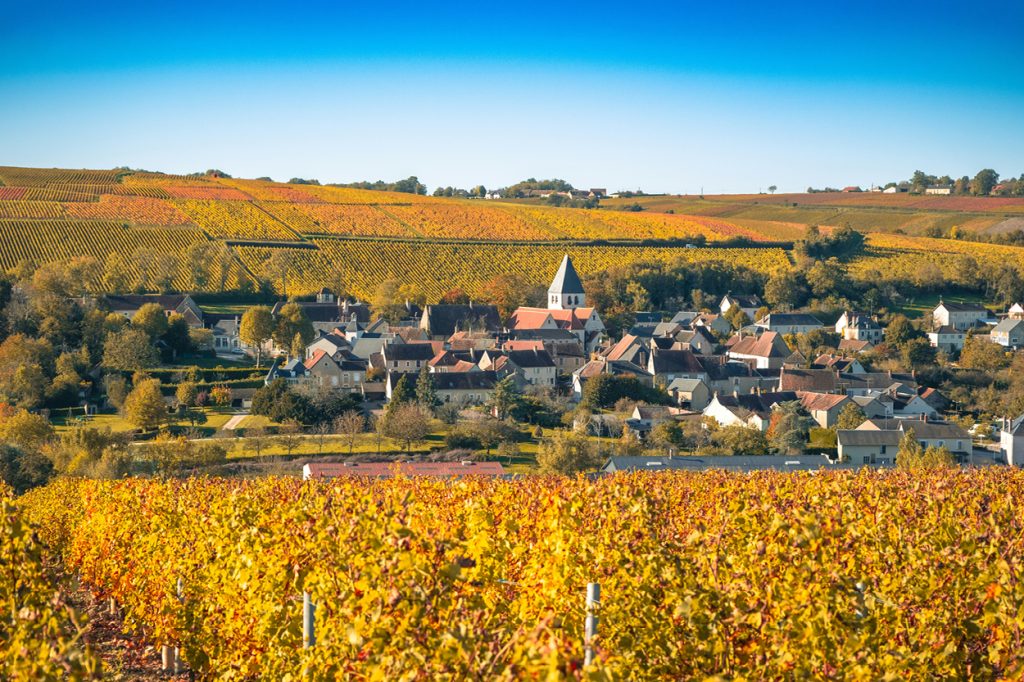
Watch out for wines from Sancerre.
I swear Sancerre is ready to enter the canon of iconic mom wines (read: ever-popular, approachable wines). It’s not overly divisive in flavours or aromas and, as a friend pointed out, it’s French (reading: fancy) but easy to pronounce for English speakers—it rolls off the tongue more smoothly than, say, Puligny Montrachet or Pouilly-Fuissé.
Look for: Domaine du Nozay, Domaine Vincent Delaporte
Canadian Sparkling
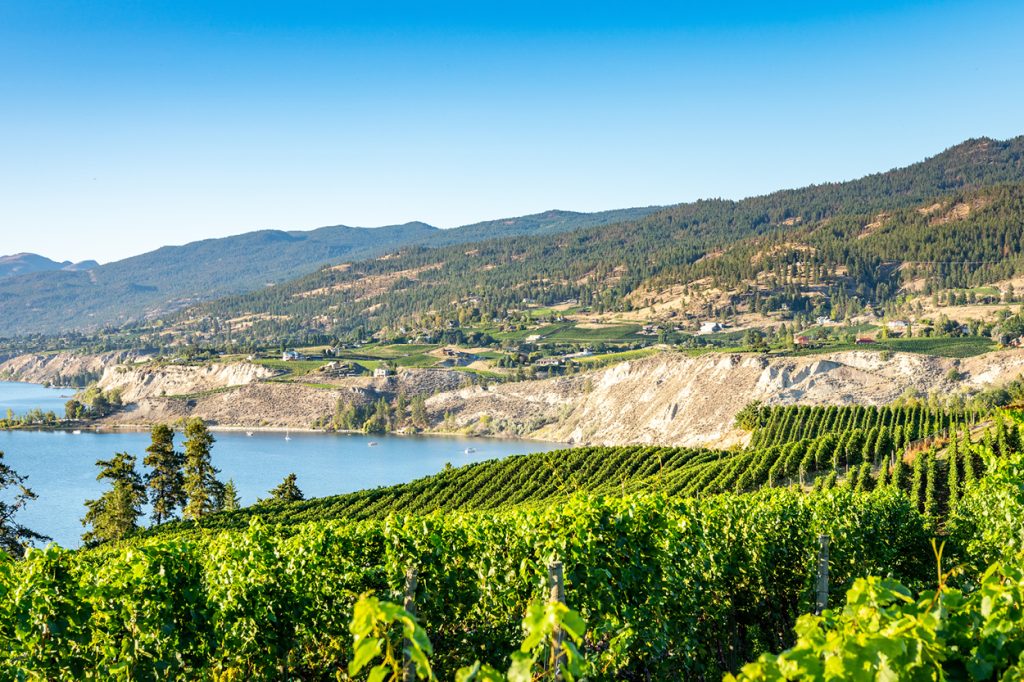
The Okanagan Valley, in British Columbia, Canada.
“When asked what I think the next big thing is, I am going to be bold,” says Dawn Schultz, the Food and Beverage Manager at the Kingfisher Pacific Resort & Spa. “I think it should be Canadian sparkling wine.”
“It’s a style of wine represented from Coast to Coast,” she continues. “From beautiful examples from Vancouver Island—Charme de l’ile—to clean, firmly precise expressions from the Okanagan. There’s bright expressions from the Niagara area and lively sparkling wines from Nova Scotia.”
And with the current political rigamarole, there’s an added ebullience to supporting local bubbles. “As we continue to strive towards excellence across the board in Canada, this should be what we showcase to the world to celebrate unity.”
Look for: Benjamin Bridge, The Grange
The Canary Islands
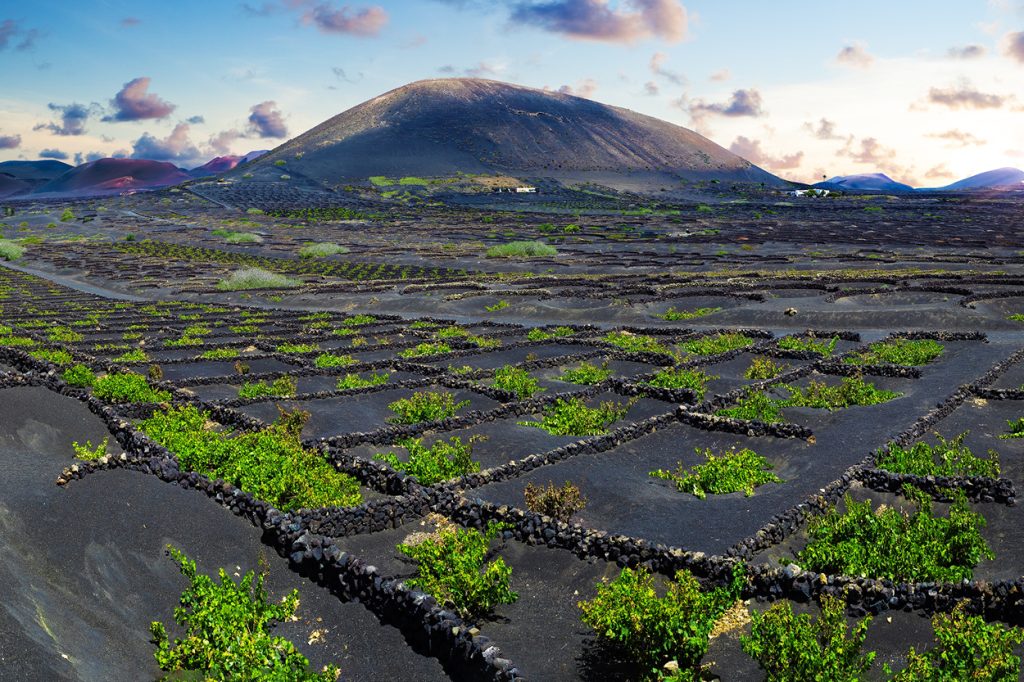
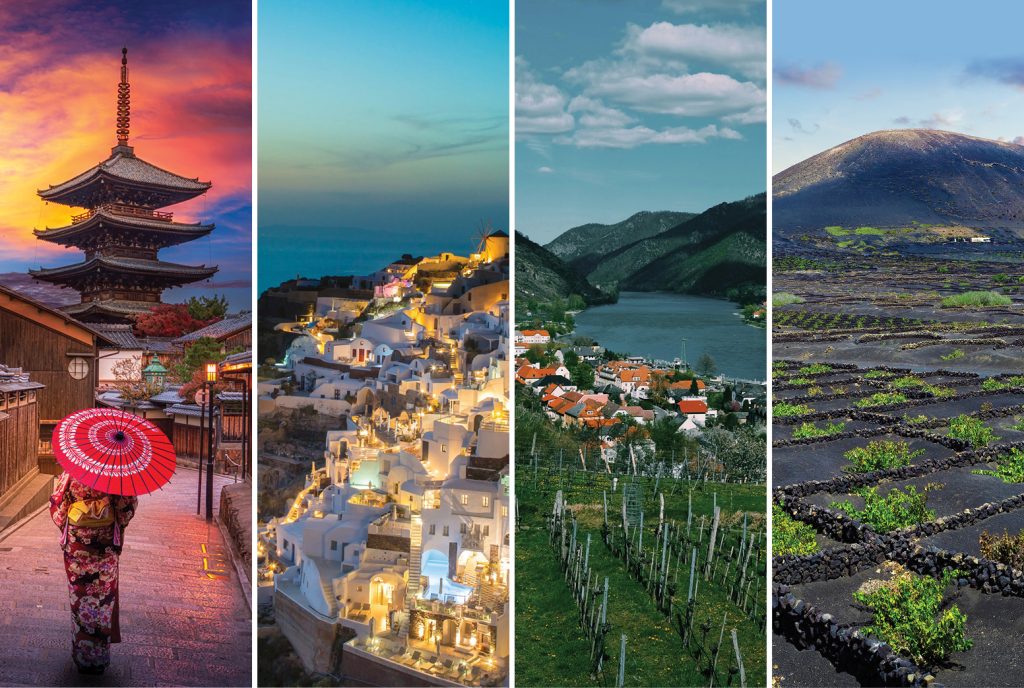
On Lanzarote, Canary Islands’ northernmost island, vines are planted in crater-like pits called Hoyos.
Olivia Delisle, a sommelier at L’Abbatoir, is enthusiastic about the wines of the Canary Islands. “When we think about the next big wine region, we often look to places with history, unique terroir, and exciting, under-the-radar wines,” she says. “For me, one region checks every box: the Canary Islands. This volcanic archipelago, located about 97 km west of Morocco in the Atlantic Ocean, is home to distinctive, thrilling wines.”
The Spanish archipelago offers lots for the nerds, namely, centuries-old vitis vinifera vines that produce wines with incredible depth and purity.
Non-geeks will love the fantastical nature of the region: on Lanzarote, the Canary’s northernmost island, vines are planted in crater-like pits called Hoyos. “They’re dug deep into volcanic ash and surrounded by lava-stone walls, which shield vines from harsh sun and strong winds and preserve acidity, creating wines with a bright, saline energy.”
“The high-altitude vineyards, strong ocean influences, and ancient vines create wines with freshness, complexity, and tension, delivering a drinking experience unlike any other. They’re an obsession in the making.”
Look for: Envinate, Vinatigo
Wines of Greece
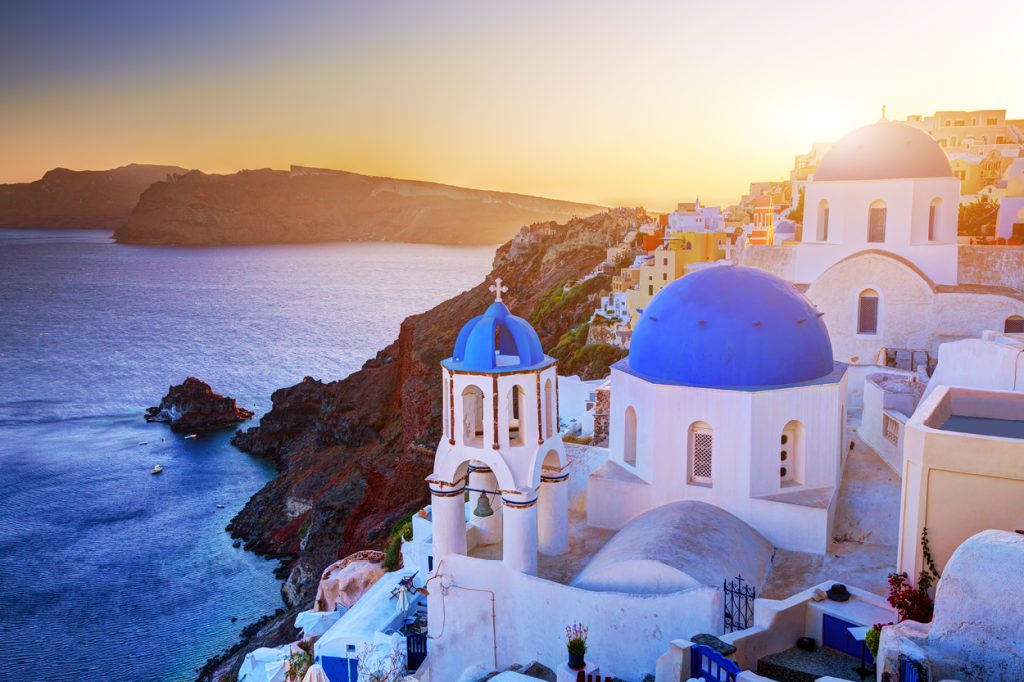
Are Greek wines about to have a moment on the world’s stage?
“I feel like Greek wine is about to have a real moment on the global stage,” says Mya Brown, the head Sommelier, The Westin Bayshore, Vancouver. “There’s a wide diversity of styles and a resurgence of producers embracing natural and modern winemaking techniques. Somehow, they’re making a 6,500-year-old region feel new and exciting.”
She points to New York City, where a growing number of Greek-centric wine bars like Stafili, Milos and Snack Taverna are gaining attention. “It underlines that Greek wine is set to hit big.”
Look for: Thymiopolous, Ga’ia
Etna
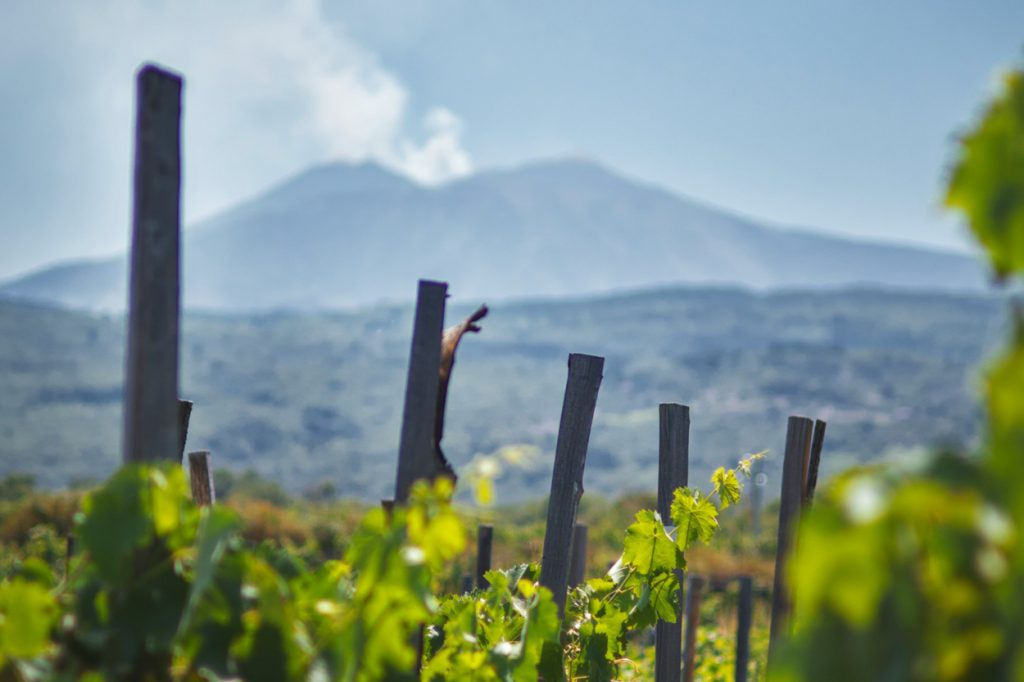
Wines from Sicily’s Etna region are gaining more and more attention.
Last year, the wines of Sicily entered the zeitgeist on the backs of the White Lotus’s Italian expedition. The show is in Thailand now, but James Li, Head Sommelier at Enigma Yorkville, thinks there’s still time for the region to grow off its gained acclaim.
“Both the white and red indigenous grape varieties offer high quality-to-price ratios,” he says. “There’s Nerello Mascalese’s red and black fruit character and beautiful complexity, with a distinct ‘balsamic blood’ aroma. White grapes like Carricante offer fresh acidity, citrus-forward aromas, and a touch of saline notes, which makes for a splendid pairing both with seafood and cheese courses.”
He also points out that the South of Italy lacks a region that can square up to Barolo, Barbaresco, or Brunello. Maybe it’s Etna? “Etna Rosso is the focus of so much attention from sommeliers and I believe it will soon be cherished by customers around the globe.”
Look for: Eduoardo Torres Acosta, Feudo Montoni
Austria
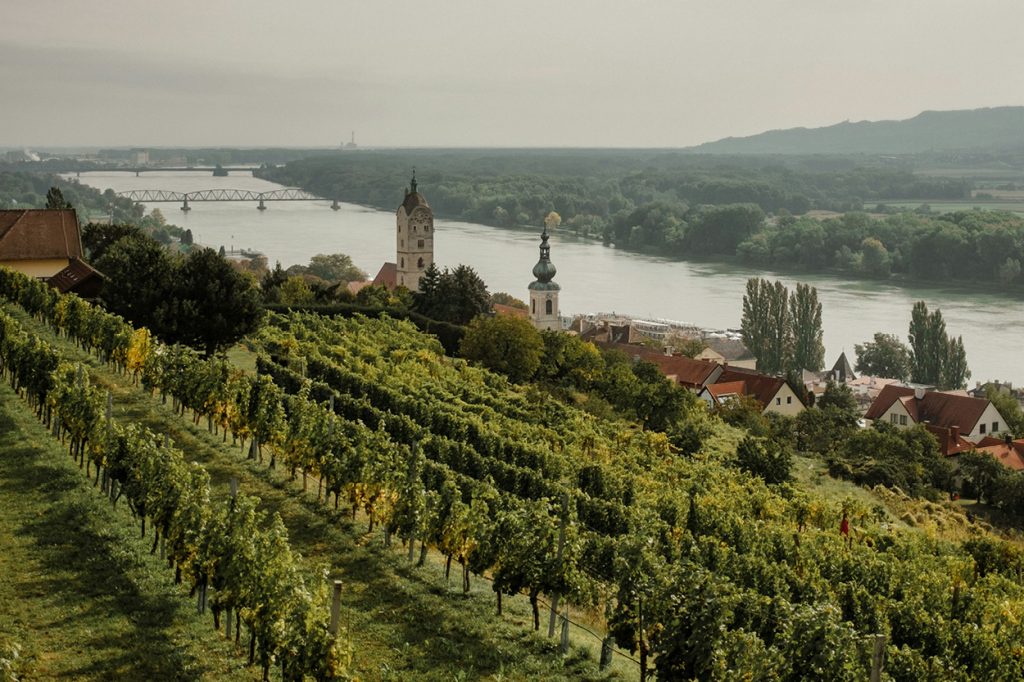
Austrian wines offer tremendous value.
Paul, from Published on Main, is into Austrian wines. “While it’s difficult to pinpoint a single grape or region that might be the next ‘big’ wine trend, Austria stands out for its impressive array of world-class red, white, sparkling, skin contact and sweet wines,” he says. “Austrian wine has gained significant attention from the next generation of wine drinkers due to its affordability, quality, and dedication to biodynamic and sustainable viticulture.”
He admits that while some grape varieties, producers, or regions may pose pronunciation challenges for some, “it doesn’t detract from the immense value that Austrian wines offer.”
Look for: Koppitsch, Schmelzer’s Weingut
Sake
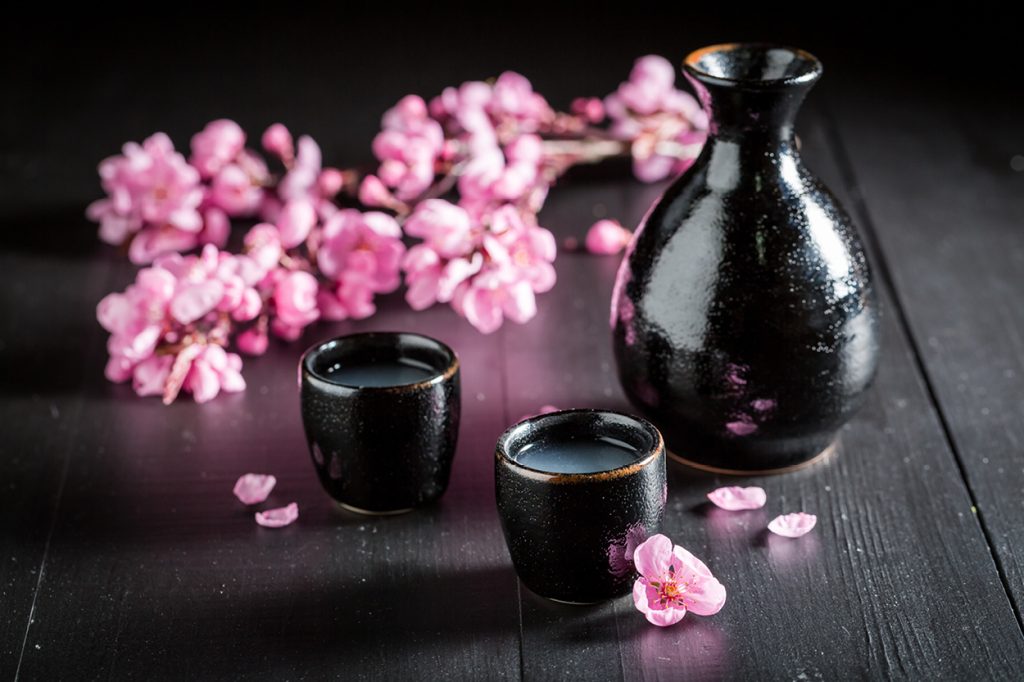
Will Canada wise up to the potential of Sake?
Sake sommelier Iori Kataoka, owner of Yuwa Japanese Cuisine, is always disappointed Canada hasn’t wised up to the potential of Sake. That will come with time, but right now she’s excited by the emerging trend of sake produced with less-milled rice, a divergence from the highly polished Junmai Daiginjo and Junmai Ginjo styles.
“Traditionally, the more rice is milled, the more of the outer layers—bran, fat, and proteins—are removed, leaving behind the pure starch core, Shinpaku,” she says. “This results in cleaner, more refined flavours. However, when rice is milled less (such as to 80–90% of its original size,) more of these outer components remain, which can introduce complex (and sometimes unwanted) flavors. While this approach presents a greater challenge in achieving balance, it reconnects with historical sake-making traditions.”
“It is exciting to see how brewers are blending tradition with innovation to create unique, environmentally conscious sake that embodies the essence of their local terroir.”
Look for: Aramasa Nirugame, Kaze no Mori, Shichihonyari Teiseihaku
Non-Alcohol Drinks

The non-alcohol wine movement looks to be here to stay.
It’s easy to see the explosive growth of the zero-proof sector—Toronto alone now has several non-alcoholic bottle shops that are home to dozens, if not hundreds of products for abstainers and drinkers alike.
“I think the shift toward low- and non-alcoholic wines is more than just a niche trend—it could potentially have a lasting impact on the overall wine industry,” says Michael Cooke, the wine director of Wildlight Kitchen + Bar. “While it may start by appealing to health-conscious and sober-curious consumers, the broader demand for mindful drinking is likely to continue growing.”
“As consumers seek variety and better-for-you options, winemakers will likely respond by refining their low- and no-alcohol offerings to maintain the quality and complexity that wine lovers expect,” says Cooke. He’s not wrong: Napa’s Bouchaine, Spain’s Torres Family, Codorniu, Henkell, and Mionetto all have zero-proof options.
Look for: St. Agrestis, Ghia, Proxies
– Kate Dingwall is a contributing editor with VineRoutes