

Apple’s wine-centric drama returns with deeper emotional stakes, global ambition, and a story that proves wine can still carry the weight of history, identity, and loss
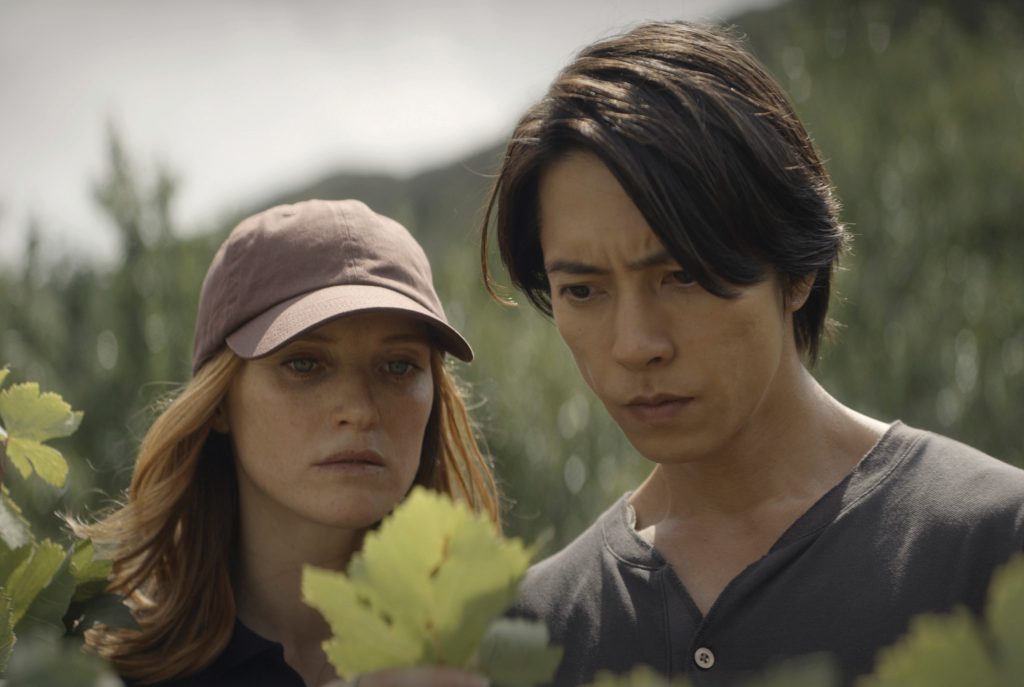
In season two of ‘Drops of God’, Camille (Fleur Geffrier) and Issei (Tomohisa Yamashita) are thrust into their most perilous challenge yet: uncovering the origin of the world’s greatest wine. It’s a mystery so profound that even their formidable father, Alexandre Léger, could not solve it. What begins as a quest rooted in legacy quickly transforms into a search for truth that spans continents and centuries, unearthing forgotten histories, buried rivalries, and secrets that time tried to erase.
The stakes this time are higher, but more importantly, they are more personal. If season one was about inheritance—of knowledge, talent, and resentment—season two is about reckoning. As Camille and Issei push deeper into the past, they are forced to confront not just the myths surrounding wine, but the unresolved fractures within themselves. The answer they seek may finally bind them as siblings or destroy what little connection they have left.
Read Also: Why ‘Drops of God’ is so much more than a show about wine
Once again, the series leans heavily into its familial undertones, and like the first season, those themes are quietly haunting. This is especially true for Issei, whose struggle for acceptance—particularly from his mother—takes on greater emotional clarity here. Season two is, in many ways, about getting to the root of that pain: understanding where it comes from, how it shapes identity, and what it costs to carry it unresolved. Camille’s journey runs in parallel, shaped by absence, restlessness and grief, reinforcing the show’s central idea that you never truly understand what you had until it’s gone.
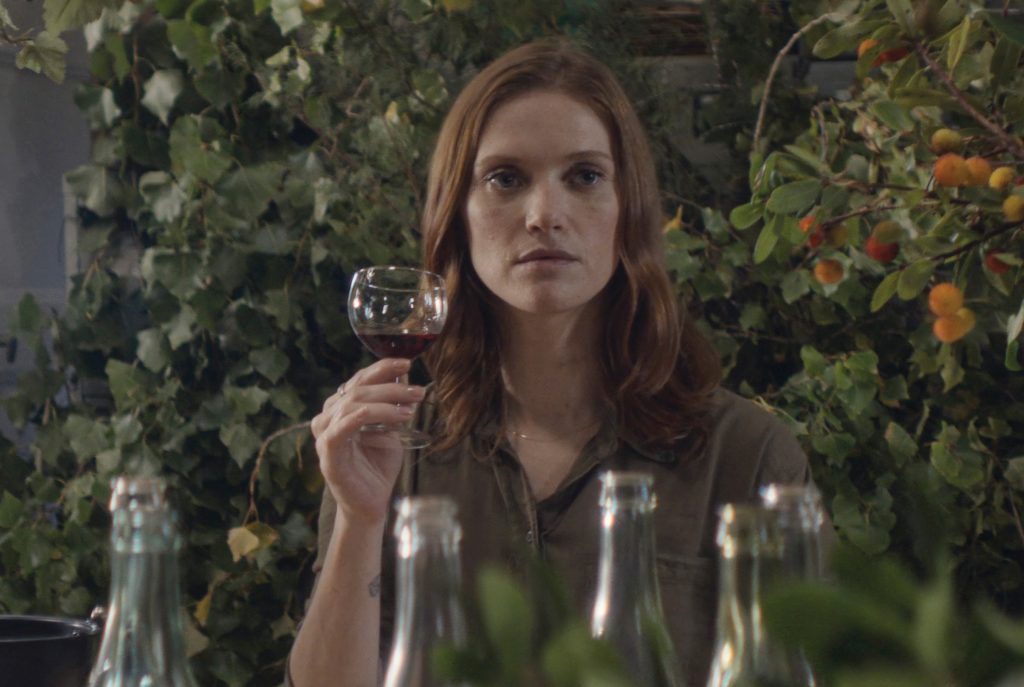
Fleur Geffrier in “Drops of God,” now streaming on Apple TV.
The blind tasting motif that anchored season one returns, serving as both narrative device and philosophical framework. Wine remains the language through which memory, emotion, and truth are expressed. Impressively, climate change and sustainability are woven thoughtfully into the storyline, not as lecture points but as an ever-present backdrop. It’s a clever creative decision, considering how central these issues are to contemporary winemaking. There’s even a nod to Rudolf Steiner, the father of biodynamics, signaling a level of awareness and respect for wine culture that is still rare in mainstream entertainment.
Visually and geographically, Drops of God continues to roam the world with purpose. Viewers are once again transported through Japan, France, Italy, and Thailand, while season two expands its map to include Greece and Georgia. An underground cellar scene in Georgia is particularly magical. It’s an ancient, almost spiritual space that feels alive with history. The earthen walls, clay vessels, and musky stillness are rendered so vividly that you can almost smell it in the air. It’s one of the season’s most immersive moments, and a reminder of wine’s deep, almost sacred roots.
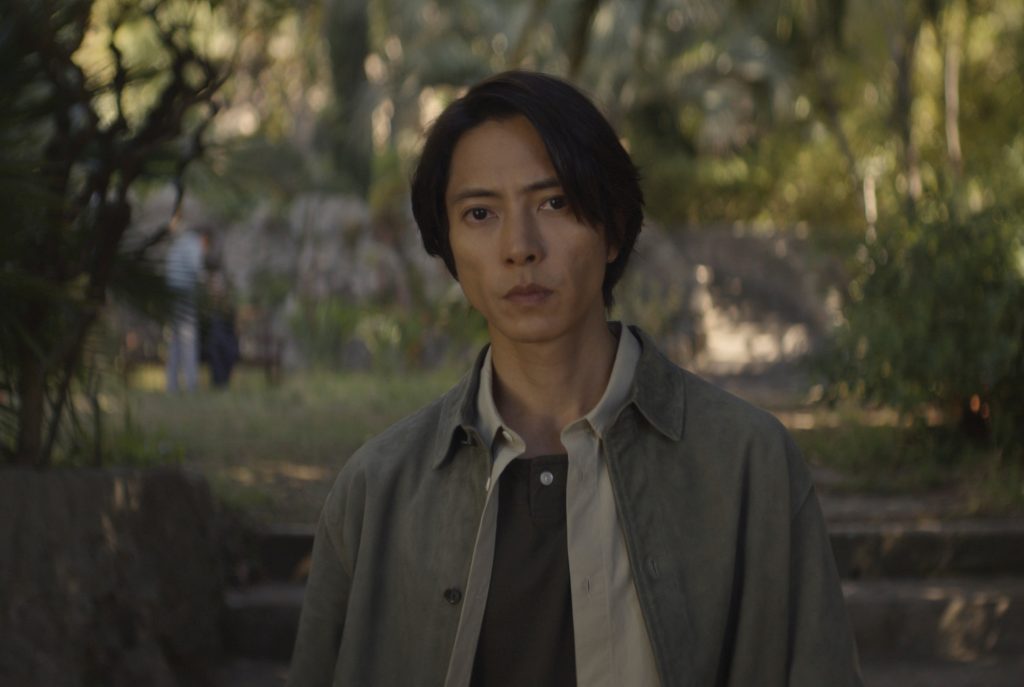
Tomohisa Yamashita in “Drops of God,” now streaming on Apple TV.
What remains most remarkable about Drops of God is its unwavering commitment to wine as the central pillar of its storytelling. This is not a show where wine is decorative or symbolic. It is the plot. Every emotional beat, every revelation, every conflict flows through the craft, culture, and philosophy of wine. Watching it makes you want to go to your own cellar, pull a treasured bottle, open it, and sit quietly with it. To pay attention. To savour nuance. If that’s all the show achieves, it’s already a profound endorsement.
That’s not to say the season is without its flaws. There are moments where the narrative feels slightly awkward or overextended, and a few scenes strain under the weight of their own ambition. But this series has never been about sharp dialogue or conventional plot mechanics. It’s about atmosphere. Feeling. Inspiration. And on that level, the series largely succeeds, especially for viewers who already see wine as something more than a beverage.
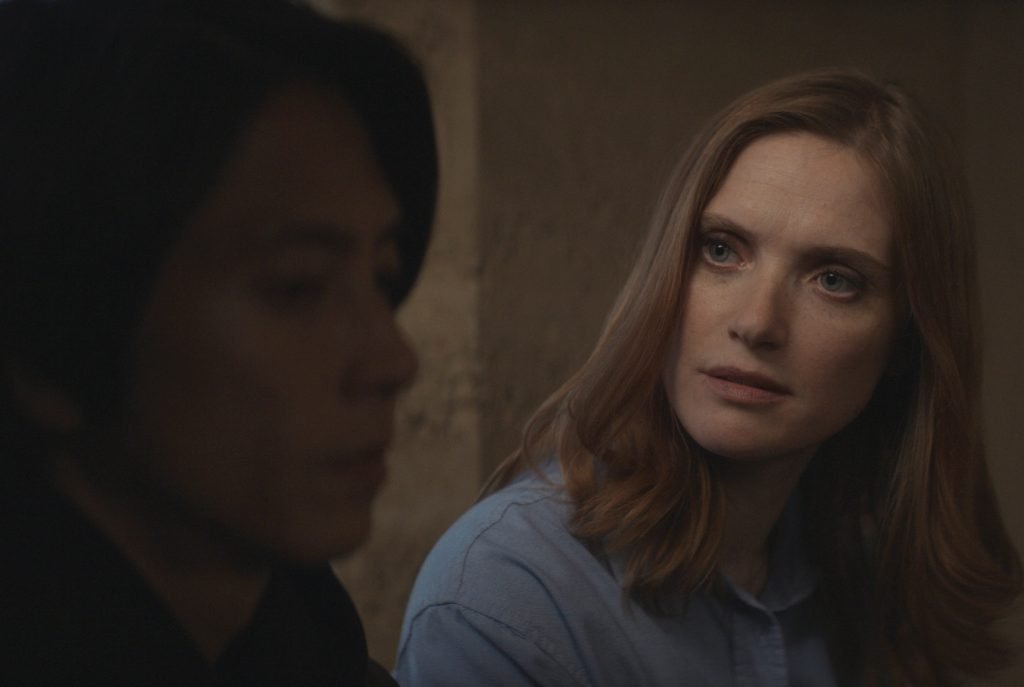
Once again, the series leans heavily into its familial undertones, and like the first season, those themes are quietly haunting.
The language of wine, too, is handled with increasing confidence. In one standout moment in episode six, a character describes the pivotal wine as having “the texture of an old wine, but the freshness and aromas of youth.” It’s a small line, but a telling one, evidence that the entertainment industry is finally learning to speak about wine with conviction and greater respect. All proof positive that Drops of God remains a rare thing: a series that doesn’t just feature wine but understands it.
If you’re even remotely interested in wine or have ever experienced the way a truly great bottle can transport you, this is a series worthy of your time. At VineRoutes, we exist to tell stories about wine, the people who make it, and the places it comes from, and this series manages to capture all three with uncommon depth and sincerity. Beginning, of course, with season one (which debuted in 2023), and now building confidently in its eight-episode second chapter, Drops of God reminds us that when wine is treated with respect and curiosity, it becomes more than a beverage or a plot device – it becomes one of the most powerful storytelling tools of all.
Now streaming on Apple TV+, ‘Drops of God’ is inspired by the New York Times bestselling Japanese manga by Tadashi Agi, with artwork by Shu Okimoto. Produced by Legendary Entertainment, the two-season series is created by Quoc Dang Tran, directed by Oded Ruskin, and produced by Les Productions Dynamic in association with 22H22 and Adline Entertainment.
– Carmelo Giardina is the principal editor of VineRoutes