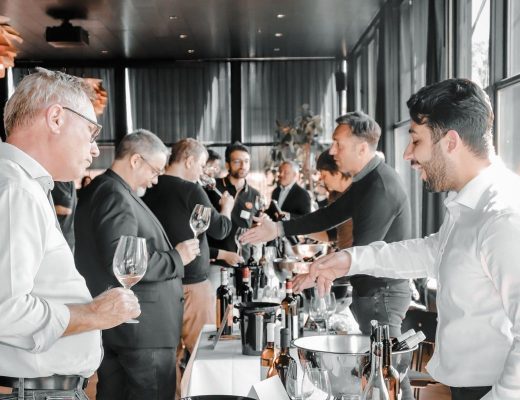



Fresh from the floor of the Restaurants Canada Show, VineRoutes’ Nicola Brown breaks down six standout trends shaping a more dynamic, inclusive and experimental drinks culture
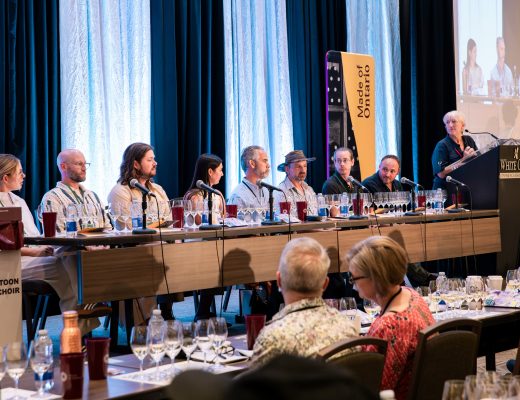
In a vast complex of connected halls peppered with stalls, stages and swarms of attendees, this year’s Restaurants Canada Show (March 8-10, 2026) brought together over 25,000 people across the restaurant and food service industry. With a dedicated hall and stage in the centre, bar and beverage brands, vendors, keynote speakers and visitors created a buzzy atmosphere, well lubricated by all manner of libations from wine, beer and spirits to cocktails, mocktails, sodas, coffees and teas.
Read Also: How politics reshaped Canada’s spirits shelf
Some notable bar takeovers lit up a lively pop-up space with snaking lines of thirsty patrons eager to taste show-exclusive tipples from top spots like Suite 115, Uh Bar and No Vacancy from Toronto, Bisou Bisou from Montreal, Parlor from Saskatoon and Humboldt Bar from Victoria. Rising star Samantha Anastasi of Toronto’s legendary BarChef took first place in the Beyond the Rail cocktail competition.
The show’s overarching theme—”Into the Beyond”—suggested we “break free from the past and boldly embrace a future defined by reinvention”. A little goofy in its retro-sci-fi overtones, perhaps, but a genuinely inspiring keynote speech from Canadian astronaut Chris Hadfield (pictured above) lent the theme some gravitas. (Fun fact: Hadfield’s wife Helene once worked as a professional pastry chef.)
While many of the emergent trends in the bar and beverage business in 2026 are inevitably shackled to a somewhat bleak global picture—trade barriers, political instability, the paralysis of uncertainty—others serve as a reminder that human connection, creativity, and the drive to continue living and enjoying things in life are inalienable. However steep the challenges, if we can make a taco in space, surely there’s hope.
Top trends to watch in 2026
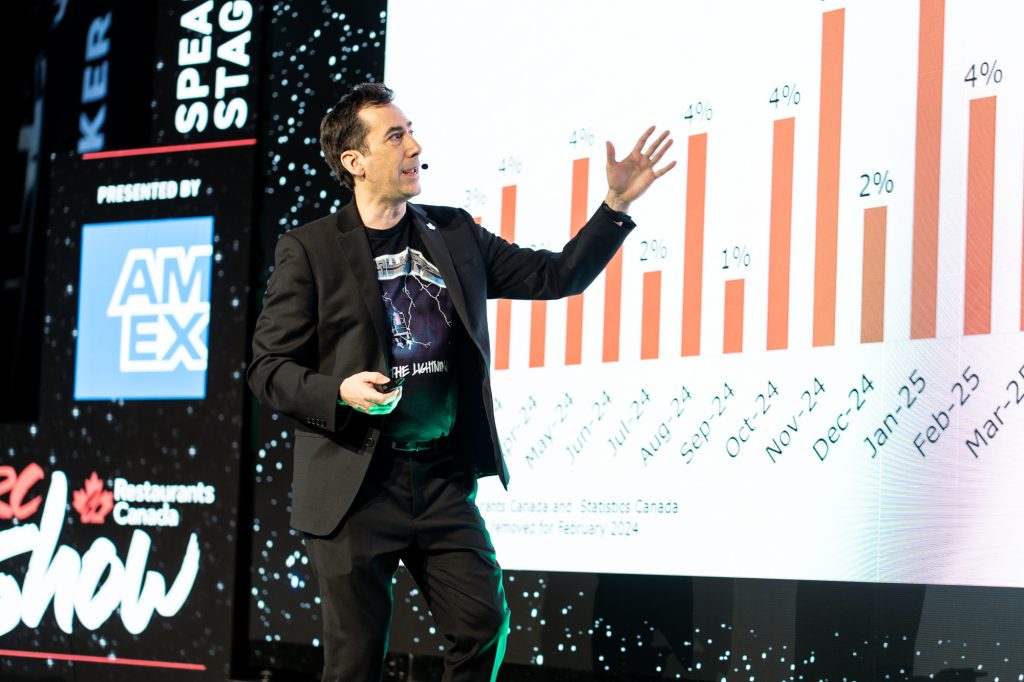
Chris Elliott, chief economist and VP of research at Restaurants Canada.
Democratization of drinks knowledge and enjoyment
According to Michelin-starred Alo sommelier Christopher Sealy, the history of wine is largely inseparable from the history of nobility in old world Europe. The dictates of money and power shaped a certain exclusivity of knowledge and enjoyment, elevating the price of bottles while alienating the commonfolk from the currency of viticulture.
He goes so far as to suggest that how and what one tastes in a wine is culturally and individually subjective, and may vary from the hegemonic construct dictating specific tastes be found in specific styles of wine. Sealy’s latest project, Parcelle Wine Studio, offers intimate salon-style tasting sessions aimed at making wine tasting an accessible experience for everyone, no matter your cultural background.
New technology is likewise opening the floodgates, with apps like Knowbie democratizing access to drinks knowledge by offering affordable training and certifications for young servers and hospitality staff who may be struggling to pay rent let alone fork over for a WSET course. Knowbie founder and CEO Crystal Hamilton believes better quality conversations can happen with patrons when staff feel confident in their knowledge. All across the board, the de-snootification of wine (and other beverages) is shaping a new vibe of consumption, one defined by approachability and enjoyment above all else.
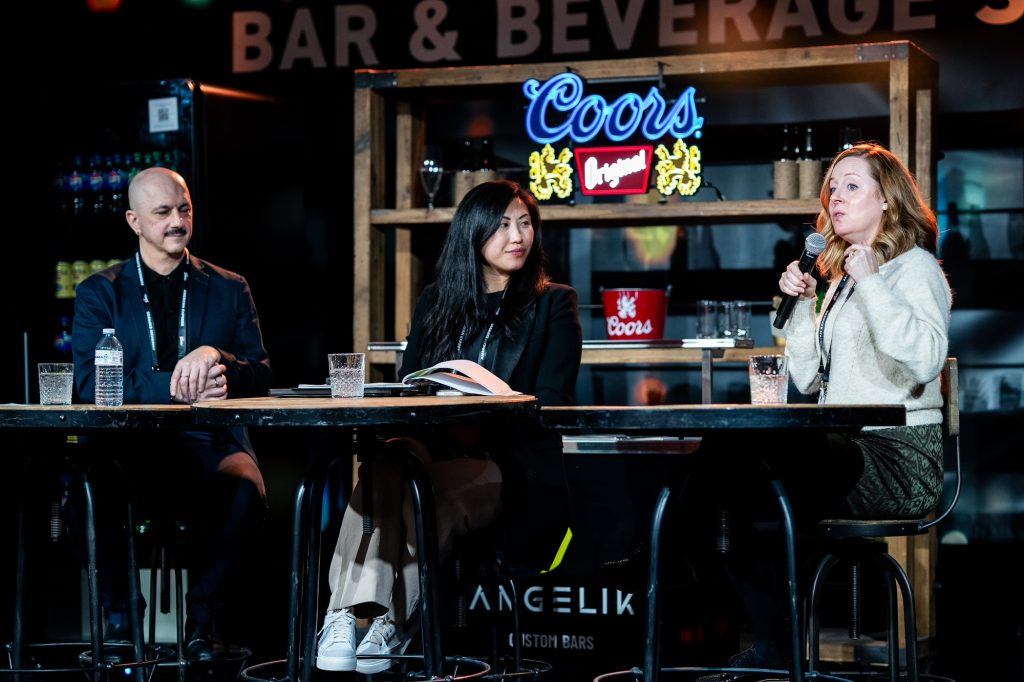
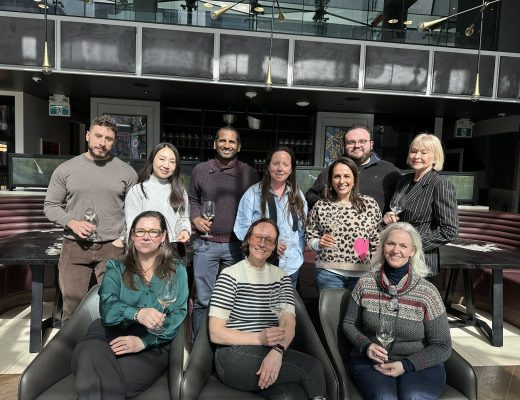
From left: Turi Mercury, co-founder of Atlas, Evelyn Chick, founder of Evelyn Chicken Projects, and Crystal Hamilton, founder and CEO of Knowbie.
The rise of grape ales
Purists, hear me out. There’s a new category of beverage emerging. Some—like Burdock Brewery—call it grape ale, others call it everything from vinobeer to bières au vin. There’s no rigid doctrine on its formulation either. Whichever way you skin it, this category-crossing experiment is taking hold. The Burdock version involves aging their beer—typically something neutral like a blonde ale—with spent grape skins—cab franc, gamay, pinot noir—from Pearl Morissette. The result hangs somewhere in the balance of a skin contact wine, a lambrusco, and a sour beer.
Head brewer John Jenkinson sees an opportunity to traverse the boundaries of two historically and culturally distinct drinks, making wine less snobby and beer more interesting for partisan stalwarts curious enough to dip a toe.
Burdock has been working on their grape ales for a decade, but only now does the market seem ready to take them more seriously. It introduces an alternative way to recycle grape waste, a novel expression of local terroir, a creative new option for fine dining settings, and a bridge for discovery into a category defined by all the elements today’s drinkers are seeking: easier drinkability, pairability with food, and lower ABV options. “This new category is really capturing a place and a time,” says Debbie Shing, founder of boutique wine agency Quvé.
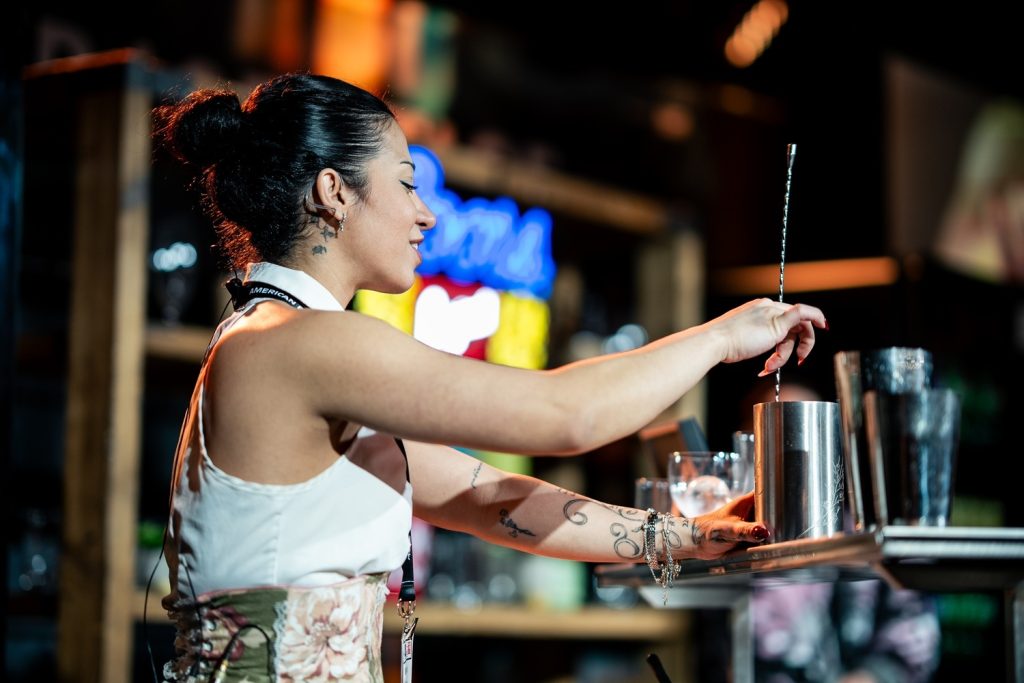
Beyond the Rail cocktail competition winner Samantha Anastasi of BarChef.
Buying local: choice, necessity, norm
As the panel on supply chains reluctantly concluded, trade barriers may be the new norm. But as far as leverage goes, Canada has one of the most extensive and significant trade networks in the world, and that strength will be key to weathering the storm. But as the barriers drag on, buy local is becoming not just a political choice and a supply necessity, but a strategic hedge against uncertainty for some, and for others like Chockie Tom, Indigenous bartender, drinks advocate and founder of The Cornsilk Road, a tool for cultural change.
“Every industry gets to decide who gets seen and celebrated,” says Tom. “Food and drink are cultural tools, not just products, and cocktail menus are one of the most powerful storytelling tools in modern culture.”
Combined with a growing interest in sustainability, transparency, and the ecological provenance of what’s poured in our glass, we should expect more Canadian producers lining our bottle lists and our bar shelves. Perhaps we’ll even see more Canadian-only wine bars like Chez Nous in Toronto that exclusively celebrate our homegrown grapes. The interest is shifting from a support-the-war-effort style patriotism to a growing passion and a deeper understanding of our own products.
Whether the tide shifts back once the barriers are raised is yet to be seen, but I’m willing to wager that some cats can’t be put back.

“Cocktail menus are one of the most powerful storytelling tools in modern culture.”
Storytelling is king
From authentically designed spaces to a dialed-in social media strategy, every angle of restaurants and bars is being evaluated for its storytelling. Whether the decor came from grandma’s kitchen or a restaurant depot storytelling shapes the character of an establishment, intentional or not, and people are paying attention. “You can no longer be slightly mediocre and make money. If you’re not telling a strong story, you’re not going to survive,” says Janet Zuccarini, CEO and founder of Gusto 54’s restaurant empire. That story needs to be cohesive across all touchpoints from the table to TikTok.
Even as our devices become extensions of our arms, we’re still seeking authenticity and human connection when we go out for a drink or a meal. Because the rising cost of living is forcing us to become choosier about our excursions, we’re seeking spots that knock it out of the park on all fronts. It’s not enough to have a great menu and a solid wine list. We want places that make us feel better about the glum state of affairs outside the doors; bubbles of joy, connection, and authentic human stories. We need these spaces to work harder than ever to transport us to better places and times, immerse us in holistic experiences and convince us that it’s all still worth paying for.

Insights from the Restaurants Canada Show 2026: “Fine dining was the fastest growing segment in the food industry last year.”
Fine dining is far from dead
Despite the scandal of recent headlines—I’m looking at you, René Redzepi—besmirching the world of fine dining, the numbers suggest that higher-end experiences are still going strong. “Fine dining was the fastest growing segment in the food industry last year,” says Chris Elliott, chief economist and VP of research at Restaurants Canada. While those in lower income brackets continue to see inflation outpace wages, those in the highest brackets are still keeping their heads well above water.
That’s not to say fine dining isn’t evolving, though. Save for a few legacy establishments, the old signifiers—white table cloths, stiff service, impenetrable bottle lists—are waning. Newer cohorts are more relaxed, experiential, intimate, and driven by strong storytelling. Exclusivity now looks like limited-time pop-ups, ticketed chef collaborations, grassroots supper clubs and intentionally secretive or hidden dining spaces like the new Pasta Privato, a 30-seat tasting menu restaurant hidden inside Notte Ristorante in Toronto. Chef Michael Angeloni has fashioned the experience as a personal deep-dive rooted in handmade pasta and layered with passionate storytelling, all housed in a moody, speakeasy-esque space, no tablecloths in sight.
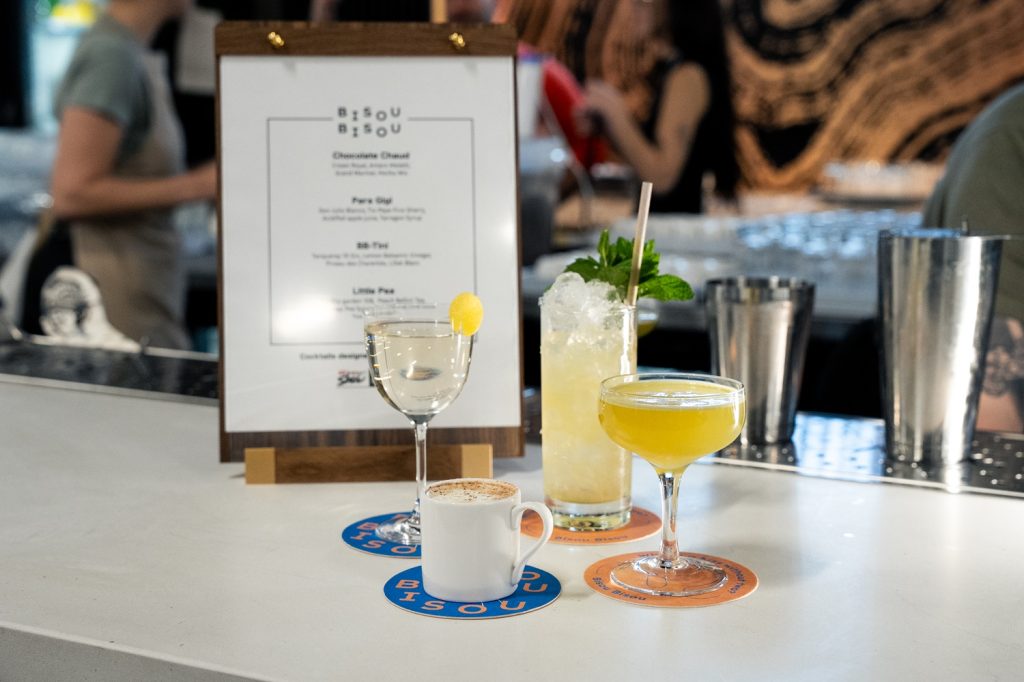
The Bisou Bisou pop-up bar experience.
Generational paradigms are widening
As Chris Hadfield rightly pointed out: “the only thing that you can really count on is that things are going to change.” Gen Z is undeniably driving many of the trends that are shaking up the industry, the sober-curious movement and social media influencer culture chief among them. Younger patrons are more demanding. They want healthy but delicious, indulgent yet affordable, functional but fashionable. The ways in which they differ from their parents and grandparents—particularly when it comes to drinking—presents the greatest generational gap we’ve seen yet.
Gen Z’s penchant for newness and flavour exploration is driving more demand for unconventional wines—natural, biodynamic, skin contact, etc., as well as the aforementioned category-crossers like grape ales. Creative cocktails, especially Instagrammable ones, are thriving, while mocktails are quickly outpacing non-alcoholic beer and wine as the most enjoyable teetotaler alternatives.
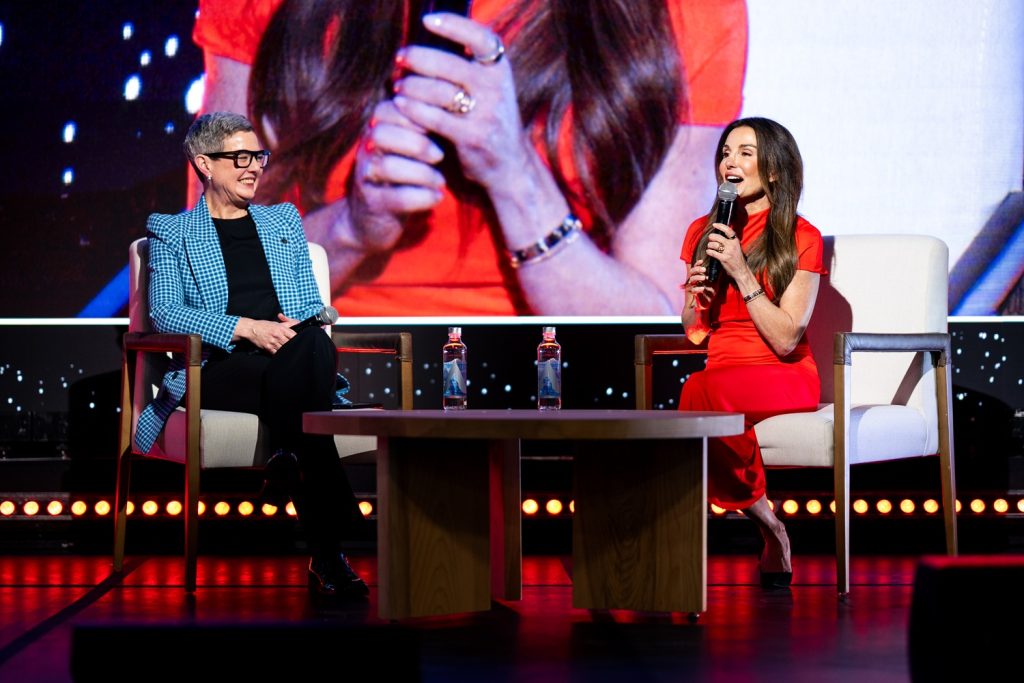
Fireside chat with Janet Zuccarini, CEO & Founder of Gusto 54 Restaurant Group.
Viral and vibey is the name of the game for capturing this cohort’s attention. But however fickle the crowd may be at times, and however shallow the wallets, according to Vince Sgabellone of consumer insights company Circana, Gen Z are much more willing than previous generations to make a trip of it for a special beverage, and they’ll spend more for one drink that wows than two without any pizzazz.
People are seeking experiences they can’t recreate at home, explains Kathryn Fenner, senior principal at foodservice data and forecasting company Technomic. She points to the desire for elevated experiences and the need to “make it magical”, even across routine occasions, because time and money are precious.
But while Gen Z is abuzz with public-facing opinions, the quieter millennial, Gen X and boomer generations are still carrying the backbone, many with more disposable income and a similar yearning for distinctive experiences. Given the widening gap, establishments that try to appeal to everyone may run the risk of diluting a cohesive narrative. From budgeting to branding, our favourite bars and restaurants are performing an increasingly delicate balancing act.
What’s next for drinks culture in Canada?
The world has changed significantly in the last six years, layering up challenges for foodservice providers and partakers alike. 2026 will mark another year of individual defiance against the odds, adapting to new norms of uncertainty, and continuing to stick it to the circumstances by going out and enjoying ourselves in spite of it all. Keep your eyes peeled for more unconventional approaches, homegrown experimentation, deeper integration of personal and cultural narratives, and a juggling of priorities between old-school gold standards and ever-changing new tastes.
– Nicola Brown is a contributor with VineRoutes