



A chilled gin and tonic pretty much screams “summer!” And there’s plenty of interesting offerings out there not only to slake your G&T thirst, but to elevate a negroni or classic martini. Senior Editor Tod Stewart offers a series of “gin-nettes” highlighting a few notable gins and the events staged to promote them. Here is the first instalment
Admittedly, I love pretty much everything Japanese. The country, the culture, the people, the knives, the trains, the architecture, the sake, the food, the whisky and, most definitely, the gin. So, when the invite came to dine at Toronto’s young, but already highly acclaimed, Sushi Yūgen, I was pretty stoked. The fact that the dinner would literally be steeped in Roku Gin ratcheted up the anticipation factor considerably.
Known for outstanding whiskies like Toki and Hibiki Japanese Harmony (as well as a range of single-distillery expressions), Suntory Global Spirits (previously Beam Suntory) got into the gin business quite some time ago. And unlike some brown spirits producers who needed a revenue stream to keep the wheels on while its brown spirits matured, this wasn’t the case with Suntory.
Read Also: When it comes to single malt scotch, is older better?
“The House of Suntory finds its roots in the Torii Shoten, which opened in 1899, selling a variety of Western-made spirits,” International Brand Ambassador Zoran Peric explained to me. “However, Shinjiro Torii always dreamed of making domestic spirits inspired by the culture and palate of Japan. To that end, we started making whisky at Yamazaki in 1923 and gin in Osaka in 1936. For us, it was never about supporting the whisky, but introducing Japanese people to new ideas and experiences, including supporting the newly burgeoning Japanese cocktail culture of the time. Roku was our first globally available gin and was intended to be the perfect taste of Japan for the world.”
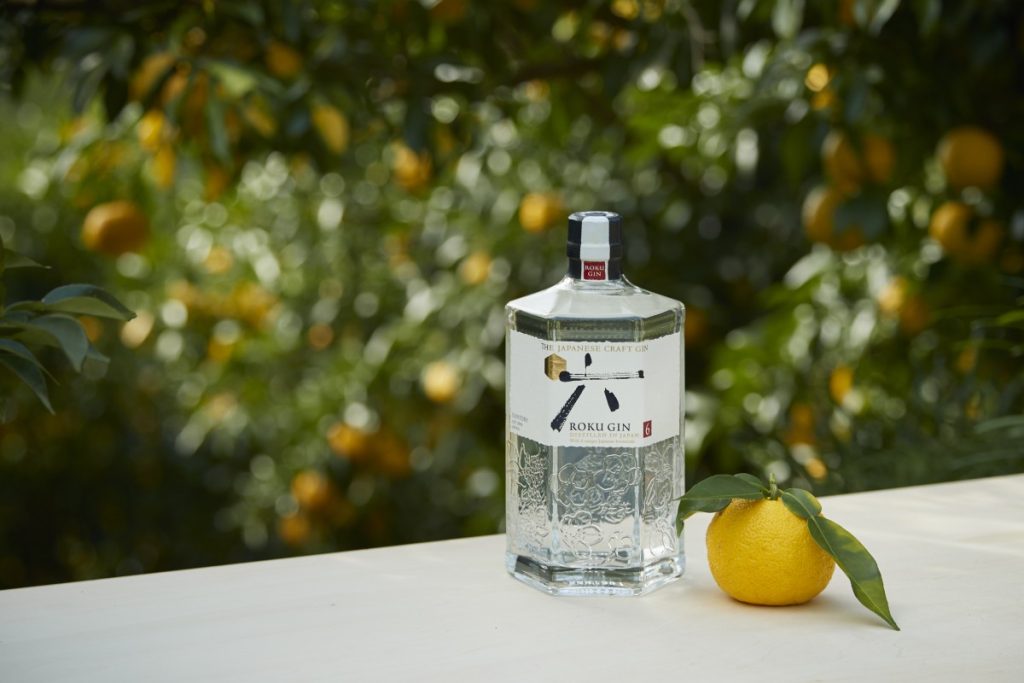
Roku Gin is distinguished by its inclusion of six uniquely Japanese ingredients (as well as juniper, coriander, and other “usual suspects”). Peric elaborated: “Roku – meaning ‘six’ in Japanese – is a celebration of authentic Japanese culture and craftsmanship. At the heart of both traditions is the central importance of seasonality – indeed many crafts shift their style entirely to reflect upon and respect the importance of nature’s seasonal evolution.

Roku Gin International Brand Ambassador Zoran Peric.
“So, to create Roku our Gin Distillers selected one culturally significant flavour from each of the four seasons to make Roku: sakura, green tea, sansho and yuzu. In order to achieve the best aromatic profile of sakura and green tea, we utilize two varieties of the botanical for each, making six Japanese botanicals in total: sakura flower, cherry blossom leaf, sencha tea, gyokuro tea, sansho peppercorn and yuzu. Each highlights a different season but also a core aromatic profile within the traditional gin style: sakura is sweet and floral, green tea is herbal and earthy, sansho is bright and spicy, and yuzu is fresh and citrusy.”
Another unique feature of Roku Gin is that the botanicals used are fresh rather than dried (the more common practise). “Much like Japanese chefs, our distillers believe that fresh is best,” Peric notes.
 The result is a gin that combines the element of the classic London Dry style, with the intriguing nuances of the Japanese components, resulting in a gin that’s both floral and citrus; herbal and spicy, but ultimately elegant, complex, and refined. And it worked as the perfect foil for dishes like Japanese Tiger Prawn with Bamboo Shoot, Premium Hokkaido Bafun Unit Risotto and the Signature Abalone – the specialty of Chef Kyohei Igarashi (who brings to the table a lifetime of experience while looking barely 19 years old). It even complimented the (certified) A5 Miyazaki Shabu Shabu with Yuzu Kosho. I asked Peric whether this affinity was a deliberate part of Roku’s development.
“This is a wonderful comment, but it’s simply a lucky coincidence: the palate of Japan prefers lighter, more delicate aromas, which has led to the Suntory flavour philosophy of making spirits that are ‘Subtle and Refined, yet Complex.’ This subtlety may mean it is a better accompaniment to dishes that otherwise might be overpowered by neat gin.”
As enjoyable as it is served neat and chilled, the gin shines in a cocktail like Roku Gin and Tonic with Ginger. The rage in Japan these days is to dilute the tonic half and half with soda water (dubbed a “sonic”). This allows the subtlety and complexity of the gin to take centre stage.
– Tod Stewart is a judge for the Canadian Artisan Spirits Competition and Senior Editor with VineRoutes