


Through Vinequity and beyond, Nabilah Rawji, Carrie Rau, and Beverly Crandon are ensuring that the wine industry welcomes all
The wine world has changed dramatically over the past decade. From an industry perspective, wine events are now a much more accurate representation of the larger community and on the consumer side, it’s more and more common to see people from all backgrounds and ethnicities enjoying a glass of vino with their meals.
While some of this change has been organic and a sign of the times, much of it has been driven by industry insiders. In Toronto, three of those insiders came together with four others to form Vinequity, an organization that aims to ensure that people from BIPOC communities, as well as people who identify as LGBTQ+ or are living with a disability, are given equitable treatment and opportunities to access, grow and thrive as visible leaders in the Canadian wine industry.
Read Also: Sowing seeds of change with Vinequity’s Grapes & Growth program
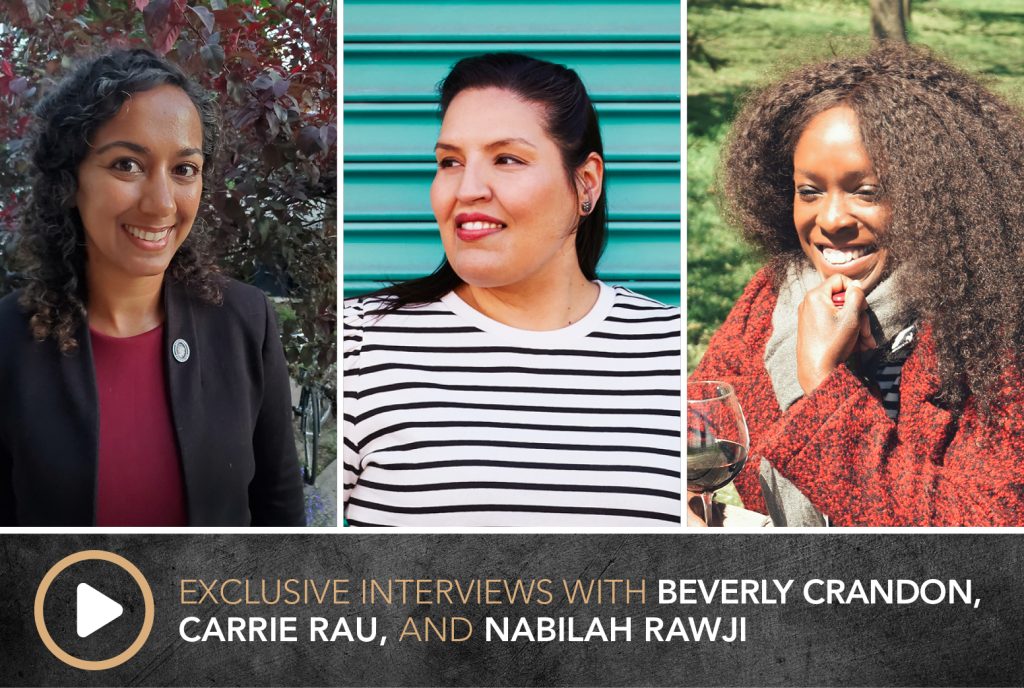
I felt it fitting to shine a spotlight on three women who are making a difference: Nabilah Rawji, Carrie Rau and Beverly Crandon. Through my one-on-one video conversations and written Q&A (below), I wanted to examine how these women in wine are breaking barriers and taking steps to shatter that glass ceiling.
To borrow a phrase, ‘we’ve come a long way, baby’. Big kudos are due to these women for helping drive that change. So, grab yourself a glass of wine and let’s get started.
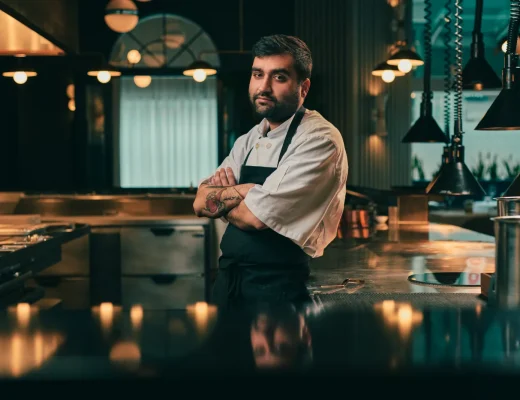
Nabilah Rawji – Sommelier, Wine Educator, Co-founder of Vinequity, Founder Vinopath
Priya: You do a lot of teaching, has that always been something you’ve been interested in?
Nabilah: I didn’t specifically seek out teaching, but it’s something that I really enjoy and I intend to keep as part of the array of work that I continue to do. It’s also one aspect of the trade that is easier to blend with the realities of early parenthood.
Priya: You are one of the founders of Vinequity. Tell us about the origins of the organization.
Nabilah: We started Vinequity in summer of 2020 in the aftermath of George Floyd being murdered. The wine industry in the US kicked off a pretty stark evaluation of itself and its exclusionary habits and it was something that a group of us felt was needed here as well. Nobody was really leading those conversations, and we felt we were in a better position than most to take that on.
Priya: How has the wine landscape changed since you entered the industry 10 years ago?
Nabilah: It feels so different. Some things I KNOW are tangibly changed, but I’m not honestly sure if it feels different because my experience is just different as I have climbed the ranks, so to speak, and developed a more robust professional network. One thing I LOVE is that I can walk into a trade event now, or into any of my classes and see so much more diversity than 10 years ago.
Priya: What excites you about the wine industry as you look to the future?
Nabilah: I’m excited by what feels like a letting go of dogma. From consumers, to peers in the industry to students, I see much more open mindedness about wine. Now we’re able to start from a much broader place to discuss why a wine is good/better/best and how a wine can communicate more than simple flavours.
Carrie Rau – Chef, Sommelier, WSET Wine Educator, Co-founder of Vinequity
Priya: Tell us how you got into the wine industry.
Carrie: It started with 2nd year of chef school; I was a culinary student at the Stratford Chef School and by second year it really hit me that the whole dining experience was about the reaction of food and wine together and I was hooked. Back in the 2000’s there wasn’t really access to wine study except ISG in Toronto, so when I moved there in 2010, it didn’t take me long to convince my employers to pay for training and I was hooked. I started studying and moved along after I couldn’t find the ISG 3rd level that would give me my sommelier certification papers, so I moved to CMS and eventually WSET. That led to jobs in the wine industry (teaching) yet still keeping my foot in the culinary world. I juggled both.
Priya: You were a chef before you became a Somm. At this point in your career do you lean towards food or wine, or are they forever intertwined?
Carrie: I finally took the plunge to work solely in wine as of 2022 actually, my career in cooking is still a very big part of my life but I am looking to polish my chops in the wine industry. Moving to Prince Edward County gave me an insight to wine production which helped me understand wine full-circle. Crushing grapes during harvest, understanding fermentation temperatures, racking wines while sitting on top of tanks and generally getting into the thick of it put everything into perspective. Now I will be moving into a Front of House manager and assistant sommelier position at a boutique hotel and that will get me back to intertwining both of my professions.
Priya: You describe yourself as a ‘proud Cree/food and wine professional’. Have you seen more people from Indigenous communities entering the industry?
Carrie: I think we have always been here, but there are definitely more Indigenous wine professionals being seen than there was a few years ago. I think access to wine industry is a different journey for everyone. I am here to help amplify and lift up anyone I can. We have also had a great community come together through the help of social media, especially during Covid, when connectivity and community was super important.
Priya: What trends do you see in terms of food and wine?
Carrie: I see people questioning their alcohol consumption, people are getting healthier and value transparency in their products. Working in a tasting room, the conversation around residual sugar contents in wine is not something I would have had to discuss so much 5 years ago. Clean, bright, flavours, plant-based and low-allergen menu options are definitely here to stay and the creativity with non-alc cocktails has been incredible to see by some of the more dynamic restaurants in the world. At the same time, I love how people are embracing caviar right now.
Priya: You’re a founding member of Vinequity. Do you think there will come a time when there is no longer a need for this organization?
Carrie: Hope and wishful thinking are all we can ask for. As for the political climate it feels like we are heading backwards at the moment, but these tend to cycle. I am often told to not forget about the 60’s and the movement/protests that were happening then, but we musn’t forget that it wasn’t that long ago and that my own life has been shaped by the 60’s scoop here in Canada along with the residential school system. The conversation around this will be here forever.
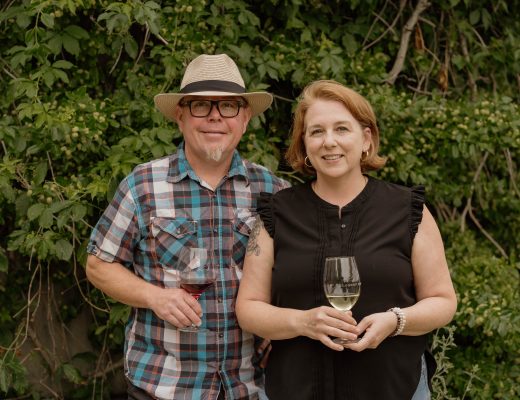
Beverly Crandon – Sommelier, Co-founder of Vinequity, Founder Spice Food & Wine Group
Priya: How did your foray into the wine world begin?
Beverly: I got into wine about 12 years ago. It all started from a wine pairing dinner that blew my mind. I never knew that when you thoughtfully selected your wines for your meal that you could build such fantastic complementary and congruent pairings.
Priya: You focus on pairing wines with ‘non-Continental cuisine’, how did this become your area of interest?
Beverly: Because it was what I grew up on and no one was talking about these pairings. I kept hearing “what grows together, goes together”. That commonly used saying is fraught with negative indications. Anyway, I loved wine and loved the cuisine I grew up on and as such, wanted to let others know that even though these grapes were not grown in the Caribbean, they most definitely pair with our food.
Priya: What is the Spice Food & Wine Group and what are the Spring event dates?
Beverly: The Spice Food & Wine Group is an Ontario-based initiative I founded to revolutionize how diverse cuisines and wines intersect. Our flagship “Spring Into Spice Ethnic Food & Wine Festival” is in June. Our Black History Month event “Black Grapes” was on February 20th, at Stackt Market.
Priya: You’re one of the founding members of Vinequity. What was the impetus of creating this organization?
Beverly: Co-founding this nonprofit stemmed from recognizing systemic barriers facing BIPOC professionals in Canada’s wine industry. When we started in 2020, we aimed to dismantle exclusionary practices by providing scholarships, mentorship, and advocacy for fair opportunities, and continue to do so today.
– Priya Rao has been a regular contributor with VineRoutes since 2022