


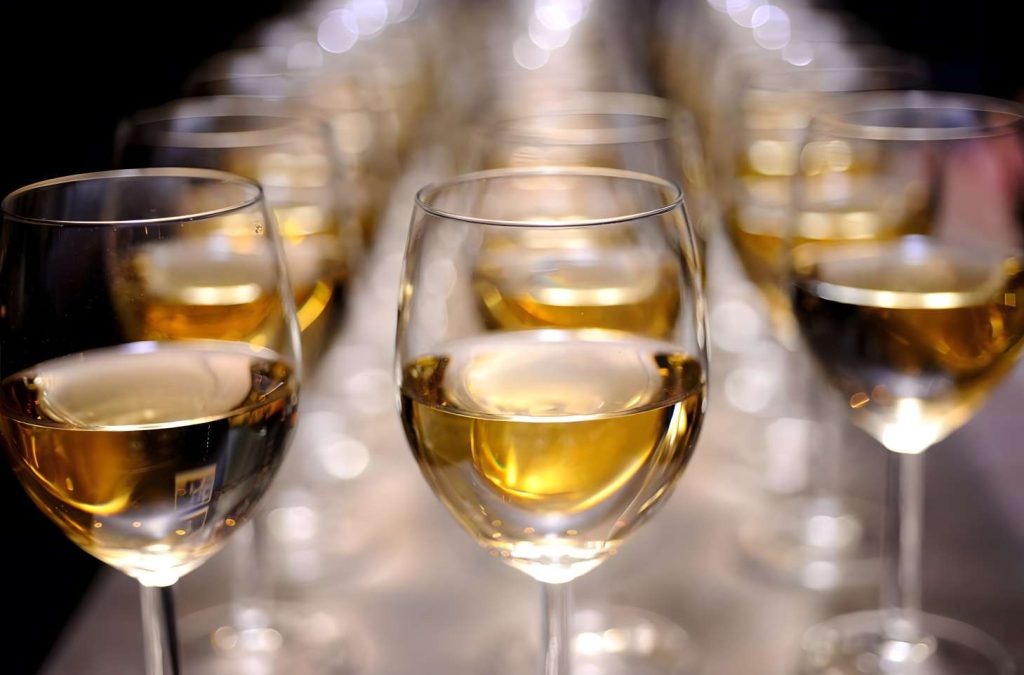
Once eclipsed by red wines, Bordeaux’s dry whites are finding fresh momentum thanks to climate-conscious innovation, artisanal producers, and unbeatable value
None of us were around when the Dutch drained the Medoc swampland in the mid to late 1600s, but today, the world is reaping the benefits of their hard work.
While the Medoc region remains a red-only left bank stronghold, the 1855 Classification wasn’t only for red wines. A lesser number of sweet whites were also classified. The Dutch had a strong penchant for sweet white wines, especially from the Left Bank of the Garonne River in Sauternes and Barsac. They satisfied their thirst with wines made from semillon, sauvignon blanc and muscadelle grapes. They also had brandy made from those same grapes.
Read Also: Collio uncovered: Italy’s quiet white wine masterpiece
Modern-day Bordeaux white wines boast more options than their famous sweet varieties, and their development has shaped who grows wine grapes across many areas of the Bordeaux landscape. Not confined to one or two AOC, white wines from semillon and sauvignon blanc grapes as a blend or single varietal are on the left and right banks of the Gironde, Garonne and Dordogne Rivers, and in-between the two in the Entre-Deux-Mers.
Bordeaux is considering the use of additional and new grape varietals, in many different AOCs as a response to climate change. The need for grapes that can tolerate heat and drought, or mold and mildew has led to the introduction of other white grapes in various Bordeaux AOC. These grapes, such as liliorila and alvarinho, have strong aromatic qualities which can be quite useful in a climate that is hot – where that would otherwise cause loss of grape aroma and flavour.
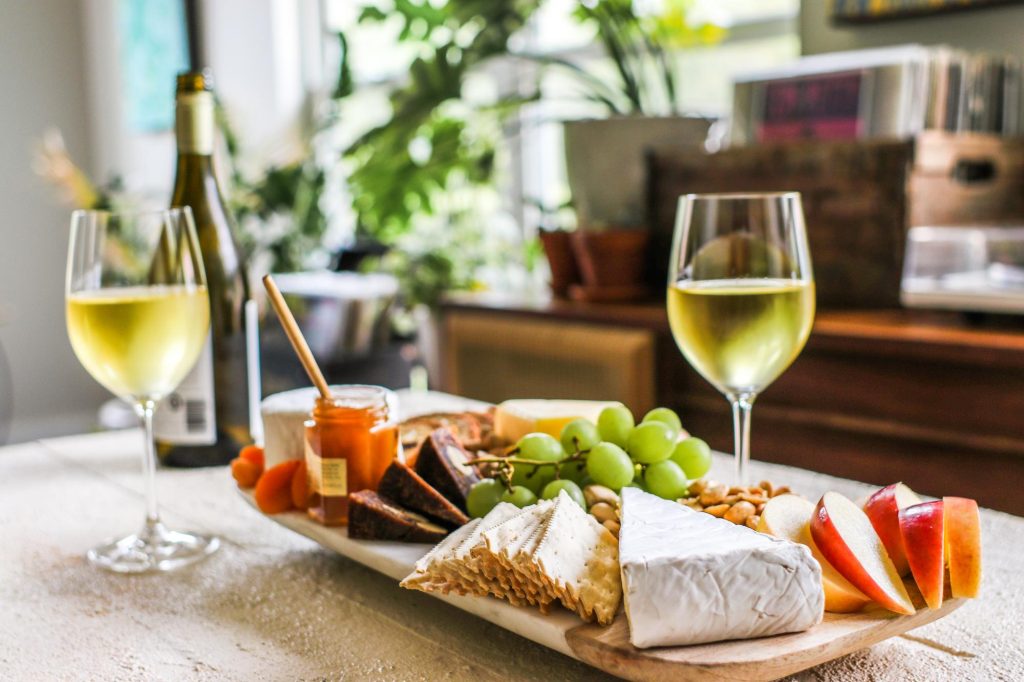
Bordeaux blanc wines can offer a great companion to the snacks and meals you enjoy, especially during warmer months.
Currently, there are over 61 million bottles of dry white wine produced in the Bordeaux region annually (WSG, 2024). They cover distinct flavour profiles, allowing some to be drunk early because they are quite fruity and fresh. Others are great for aging and can remain in the bottle for quite some time.
Although Bordeaux reds eclipsed white wines in the early 1970s, there has been a steady resurgence in white wine production. Some of the areas under white grape plantings are less costly per hectare than their more well-known counterparts, and some smaller artisanal makers looking to craft a name for themselves, are using this improved access to expand the white wine offerings from Bordeaux.
Entre-Deux-Mers fits these characteristics, as do some in the Graves and Pessac-Léognan regions and a few of the Cotes de Bordeaux that span the right bank of the Garonne and the left and right bank of the Dordogne. The dry white wine styles offer a great variety of flavour profiles to enjoy with many different food pairings and as standalone glasses. The crisp and fruity dry whites almost always complement salads, seafood and mature and soft cheeses while the more robust and aged whites add depth to creamy pasta dishes, poultry, game, and the intense flavours of ripened cheeses. They have a broad range of price points and can be served chilled or cold, especially during summer months.
When you have a taste for a crisp white wine with fresh acidity, or something with developed flavour characteristics that are dry but still have fruit and good body, Bordeaux blanc wines can offer a great companion to the snacks and meals you enjoy. Here are some examples to search out:
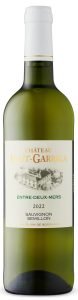 Château Haut-Garriga, Entre-Deux-Mers is a blend of sauvignon blanc and semillon in a 60:30 ratio, plus a small amount of muscadelle to round out the mouthfeel and flavour. It runs around CAD $16 and is a great accompaniment to oily or meaty fish dishes. The fruit forward green apple, citrus, and youthful acidity give this wine a really good quality-to-price-ratio (QPR).
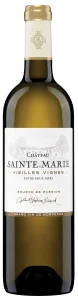 Château Sainte-Marie, Entre-Deux-Mers Vieilles Vignes has been certified as High Environmental Value Level 3 since 2020. The white wine is around 64% sauvignon blanc, 28% sémillon, and 8% muscadelle, and the citrus notes are grapefruit, and tropical fruits underlay the floral notes that are white flowers. At CAD $18.45 it is an award-winning wine.
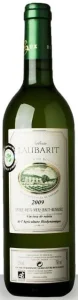 Château Laubarit Entre-Deux-Mers Haut Benauge, has a biodynamic wine which is also a blend of primarily sauvignon blanc, sémillon, and a lesser amount of muscadelle with flavours of green apple, pear, and citrus. At CAD $20.00 while it is one of the higher prices from Entre-Deux-Mers, it still represents very good QPR, and has a citrus, mineral, and pear driven fruit profile.
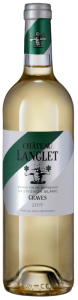 Chateau Langlet in Graves makes a 100% sauvignon blanc that is great with vegetarian foods, poultry, and just about any appetizer. The citrus highlights of lemon and lime shine through with a touch of white pepper on the finish. It comes in at a slightly higher price around $35 CAD.
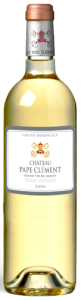 Chateau Pape Clement is a highly regarded and world-renowned chateau. The blanc is a blend of sauvignon blanc and semillon with a minor amount of sauvignon gris. A bottle costs approximately $140 CAD. From the Pessac-Léognan AOC, it is a Grand Cru estate and has a much smaller acreage dedicated to white grapes than red. This blanc has some age after fermentation as it spends 16-18 months in oak barrels before bottling. The grapes are harvested by hand over two passes and the care and attention to detail in both viticulture and viniculture are reflected in the price of the wine.
– Gillian Marks, PhD. is a contributing editor with VineRoutes, and a French Wine Scholar