



As Quebec wine comes of age, one of its earliest pioneers reflects on what’s changed — and what still matters most
Rivière du Chêne has long stood among Quebec’s largest and most established wineries — but with its evolving cuvées, expanded bistro offering, and a bold new sister site, its second act is just beginning.
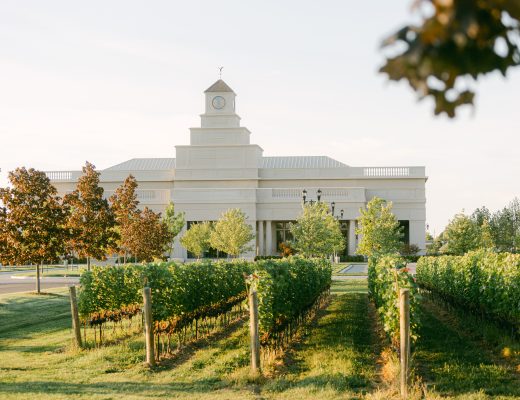
Just 35 minutes north of Montreal, where the farmland begins to roll and the city gives way to the Laurentians, Vignoble Rivière du Chêne stretches across 25 hectares of carefully cultivated vines. It’s a winery that feels both grounded and evolving — rooted in family, and in the clay-rich soils of Saint-Eustache.
Read Also: An introduction to Quebec’s cool climate wine regions
Founded in 1998 by winemaker Daniel Lalande, Rivière du Chêne began as a bold experiment — with its first vines planted that year and the winery opening to the public in 2003 after five years of growth, early vintages, and construction. Today, it produces over 300,000 bottles annually and stands as a major draw for oeno-tourism in the region, with traffic peaking in the summer months.
Together, both Rivière du Chêne and sister property La Cantina encompass nearly 55 hectares of vines and over 25 cultivated grape varieties. The combined lineup includes 23 IGP-certified wines, with production expected to soon exceed 500,000 bottles. Still, for all its reach, the estate retains the feel of a place in progress.
“We’re not reinventing anything,” says Lalande. “We’re continually refining everything.”
From sugar shack to cellar
Lalande didn’t set out to become a winemaker. Growing up, he had always expected to take over the family sugar shack — one of the oldest in Canada, once owned by his great grandparents. But a student internship in Toulouse changed everything. “I discovered the vine, the landscape — it stirred something,” he recalls.
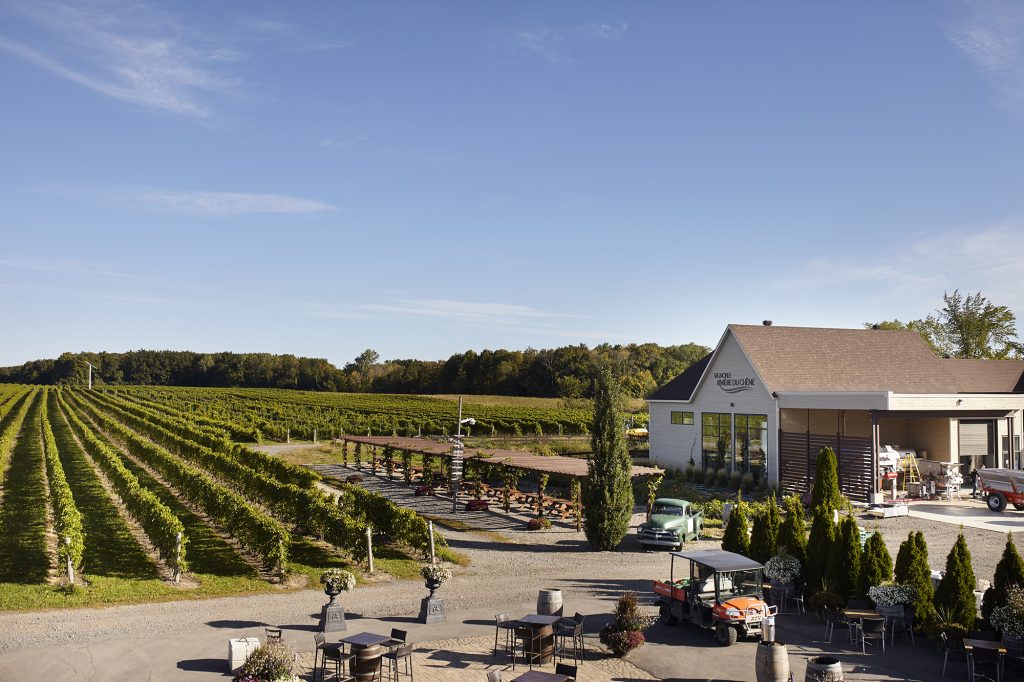
Vignoble Rivière du Chêne.
Two years and several vineyard visits later — including to Dunham’s L’Orpailleur, where winemaker and co-owner Charles-Henri de Coussergues became a friend and mentor — Lalande planted his first eight hectares with vidal, vandal-cliche, St-Pépin, and other hardy hybrids, some of which have since been replaced with vinifera vines. Over time, he expanded onto adjacent family land, eventually cultivating 25 hectares. Six are now planted to vinifera, the rest to resilient hybrids like Frontenac and seyval.
In 2003, after five years of groundwork and early vintages, the winery opened its doors to the public — built on a foundation of family land, entrepreneurial instinct, and an early bet on Quebec wine.
“Being a winemaker is a way of life. It’s demanding, often tough — but deeply rewarding.” – Daniel Lalande
The next two decades brought steady growth and a sharper focus. Today, six hectares are dedicated to chardonnay and pinot noir. The wines are made under the direction of oenologist Benjamin Seel, who’s restrained, detail-driven style reflects the winery’s commitment to structure, clarity, and restraint.
“We’ve moved from being known for sweeter styles to styles that show ageability,” Lalande says. “The grapes haven’t changed. The approach has. Today’s success owes as much to vineyard choices as to vision — and to a climate that’s offering more growing degree days, earlier harvests, and better winter protection than ever before. We used to be nervous in spring. Now we’re seeing harvests come earlier, vines bouncing back stronger. It’s subtle, but it’s changing what’s possible here.”
Two wines capture that shift. Phénix Blanc — relaunched with a new label and cork closure — is crisp, layered, and complex. Chardonnay Réserve, the first in their premium-tier line, brings minerality and depth. Both earned top honours at the 2024 Coupe des Nations.
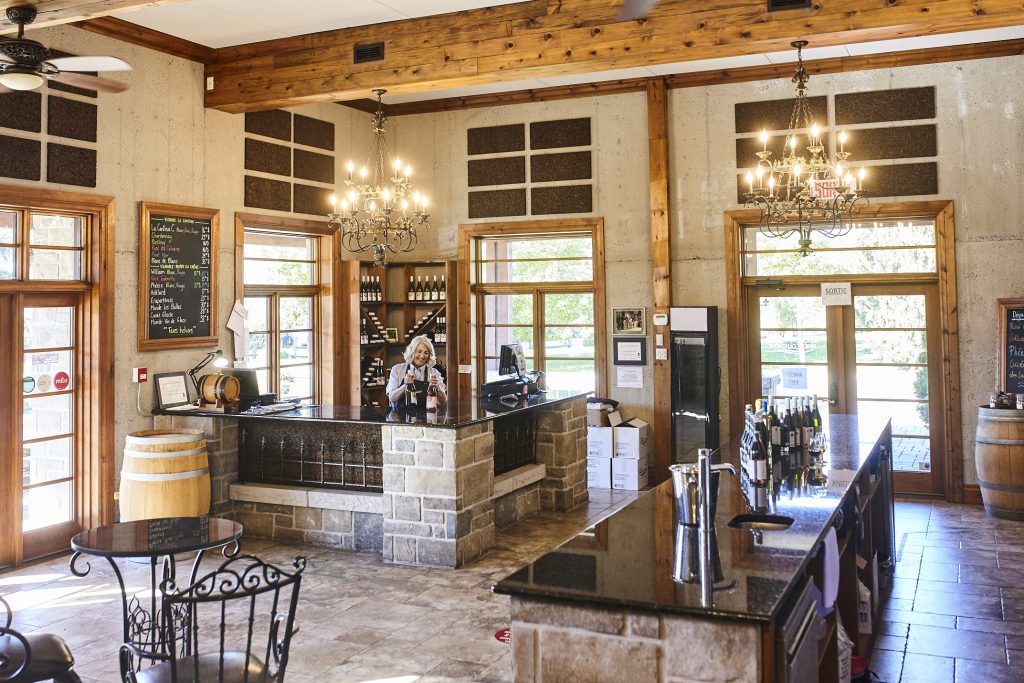
The tasting room at Vignoble Rivière du Chêne.
Rivière du Chêne doubles down on immersion — pairing new interpretive trails for self-guided discovery with a lineup of experiences, guided visits and tastings. “The goal isn’t to rush people through a tasting,” says Lalande. “It’s to give them a reason to stay a while. A place to remember.”
Visitors can opt for a classic 30-minute tasting — held beside the vines or inside the cuverie, depending on the weather — or choose from more in-depth formats like the Discovery Tour, which includes stops at the barrel room and boutique, or the VIP experience: a guided tasting of five wines led by a sommelier and capped with a souvenir glass.
The picnic kits come stocked with a bottle of William Rouge, William Blanc, or Gabrielle Rosé (named after Lalande’s children), local cheeses and charcuterie, two souvenir glasses, a cheese knife, and a canvas tote — designed to be unpacked on one of the estate’s vineyard-side tables or between the vines.
New: a summer wine bar, European-style harvest events, and a refreshed bistro program under chef Ian St-Pierre Brinkmann, focused on fresh, local ingredients.
La Cantina and the case for experimentation
In 2015, Lalande acquired a former dairy farm in the Vallée d’Oka. The goal: experiment with vinifera clones and work with a different terroir. That site became La Cantina — a 30-hectare sister vineyard planted between 2015 and 2022 using a low-intervention approach aimed at minimizing chemical input and working in better balance with the land.
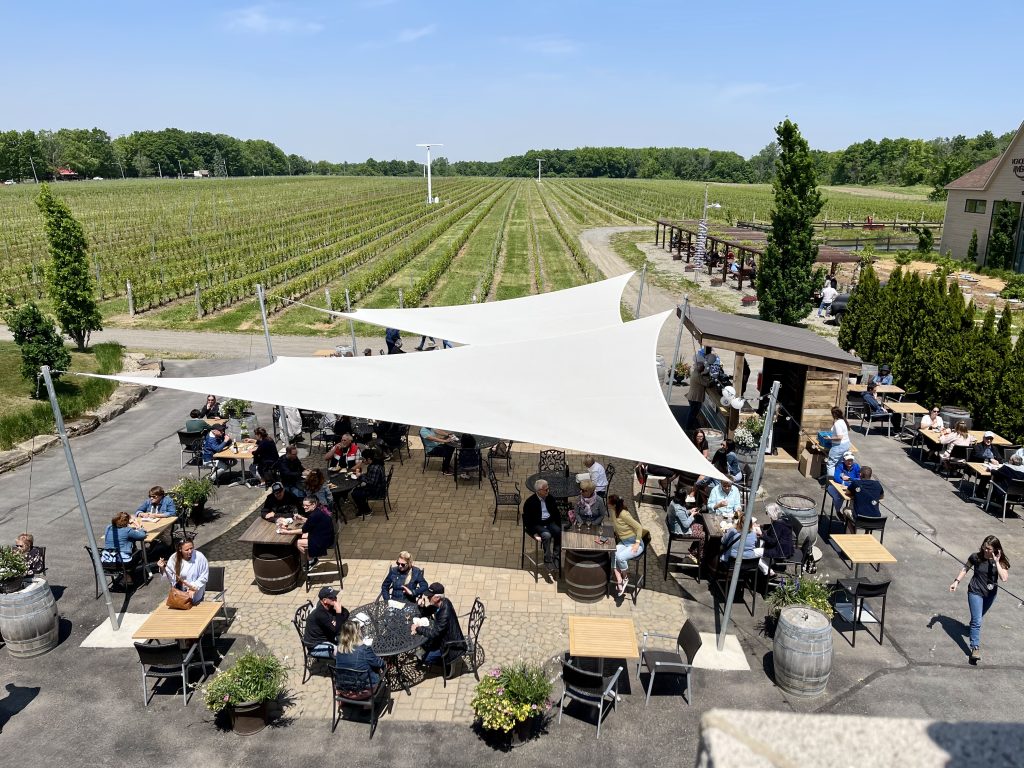
The spring and summer season is the perfect time to visit Quebec wineries.
By 2024, wines from La Cantina — including Chardo & Co. and Pinot & Co. — had arrived on SAQ shelves under the Harmonie label, which blends hybrids and vinifera. The name is a nod to Lalande’s mother, of Italian descent and née Bianco.
“‘Cantina’ is the Italian word for wine cellar,” he explains. “I wanted the name to reflect that heritage — and that spirit of generosity,” says Lalande. His mother had never been to Italy. “So, when I opened La Cantina, it was a kind of wink to that part of our family.” The year he launched the project she finally made the trip.
This year, a new limited-edition release exclusive to La Cantina will debut in the fall. A new boutique is set to open later this season, alongside expanded interpretive trails and a growing range of tasting experiences.
Rapid-fire Q&A with Daniel Lalande
The founder of Rivière du Chêne on favourite grapes, misunderstood wines, what he’s proud of after 25 vintages — and what makes a perfect pairing with Comtomme.
Favourite — or desert island — wine from your cellar?
Probably the Phénix Blanc. It’s structured, layered, and doesn’t give everything away too quickly. A wine that evolves — and a symbol of how far we’ve come.
Favourite grapes to work with?
Vidal is a grape that I love. It’s reliable, expressive, and well adapted to Quebec’s climate. And Frontenac — it’s bold. It has power, colour, and this wild side that I like — it’s not trying to be polite. We like that.
The grape that makes you curse?
The one that is getting ripped out and replaced — soon.
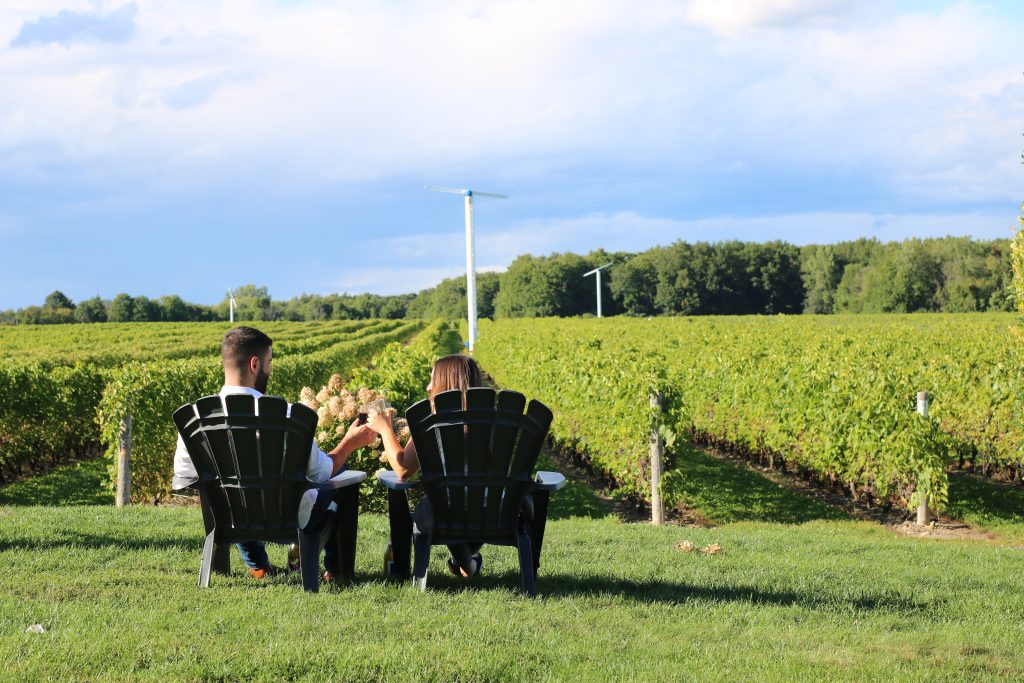
Both Rivière du Chêne and sister property La Cantina encompass nearly 55 hectares of vines and over 25 cultivated grape varieties.
Your favourite wine from each vineyard?
From Rivière du Chêne, the William Blanc and Gabrielle Rosé — both named after my children. From La Cantina, the Pinot Noir.
Go-to food and wine pairing?
Salmon tartare with lemon zest — perfect with the Chardonnay Réserve or William Blanc — or our Chardonnay Réserve with a local Comtomme — creamy, just funky enough. Quietly perfect.
What do you say to people who still claim Quebec can’t make good reds?
Try our pinot noir. Try the Frontenac. Try them blind — and then let’s talk.
What’s the biggest misconception about Quebec wine?
That it’s all sweet or simple. That was true decades ago — but it’s not anymore. Today, our wines have structure, restraint, and ageability.
Advice for first-time visitors?
Don’t rush. Start with a tasting. Take a walk. Sit under the trees with a glass. This is a place that rewards with time.
What has changed the most since you started in 1998?
The mindset. Back then, we were fighting just to prove Quebec could make drinkable wine. Today, we’re being recognized for excellence. That evolution — both in the vineyard and in perception — is massive.
What are you most proud of right now?
Our team. We have people here who’ve been with us 10, 15 years. They’ve grown with the winery — they know the vines like family. We’ve built a passionate group that treats this place like their own. You can feel it when you taste the wines or walk through the vines.
Reflections on the journey?
Looking back, it’s incredible to see how far we’ve come. From skeptics questioning our viability to now being recognized for excellence, it’s been a rewarding journey.
Vignoble Rivière du Chêne is open seasonally, with full programming from May through mid-October, plus early spring openings and a quieter stretch into December for holiday shopping and select tastings. Wines are available online, at both wineries, and across select retailers.
– Alana Lapierre is VineRoutes’ regional editor for eastern Canada