

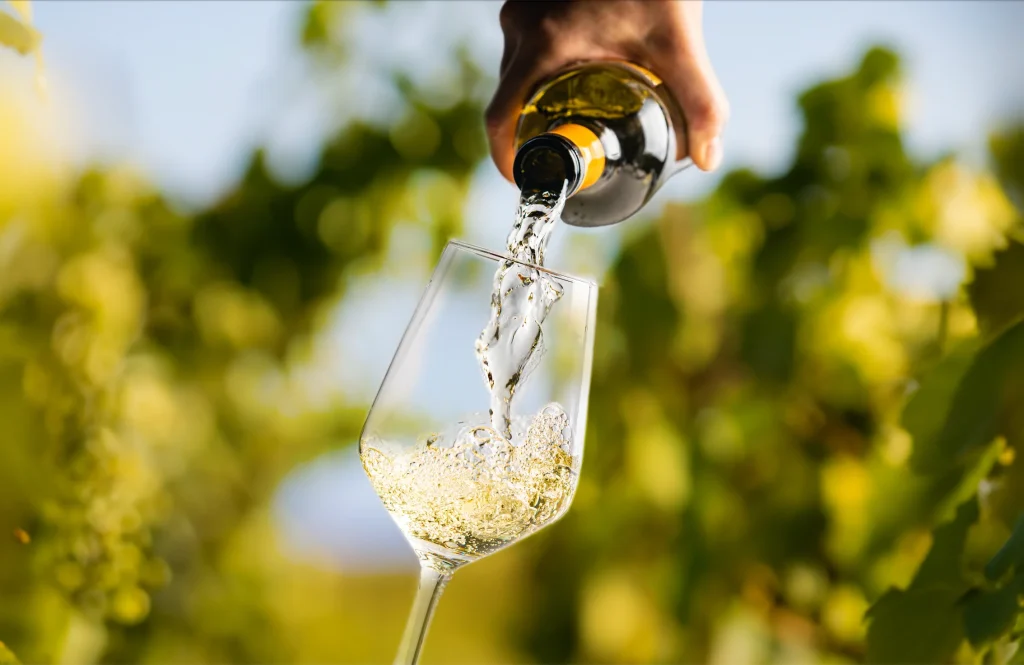
Nearly 50 years after its first Ontario plantings, this Burgundian grape is enjoying a moment as Niagara winemakers embrace its crisp acidity, mineral character and cool-climate appeal
In Canada, Paul Bosc first planted aligoté in 1978 in the then untapped Niagara region of southern Ontario. That’s almost 50 years ago, and while the grape is not a new variety to Ontario, what is newer is the increasing number of plantings and the renewed interest in the grape as a standalone bottling, and as a blending partner.
The pedigree of aligoté has its origins in Burgundy and other eastern areas of France as far back as the 18th century. In today’s French geographic regions, Burgundy has carved out a specific Bourgogne Aligoté Appellation d’Origine Contrôlée (AOC) just for Aligoté.
Read Also: Yours to Discover: Ontario’s pinot gris breaks away from neutral territory
Genetically it’s a cross between a pinot family grape and Gouais Blanc – which is the parent of a significant number of well-known varieties. So much so that it can be considered the not-too-distant cousin of chardonnay and gamay, at the very least.
The fact that this grape grows so well in Burgundy means it’s no surprise that its potential to thrive in similar climates is so good. You can add Switzerland, Russia, Romania, Oregon and Washington to the list of regions where aligoté has established a firm footing. It’s not widespread, and it tends to be a focus for small producers, terroir-focused wineries and winemakers looking for alternatives to chardonnay.
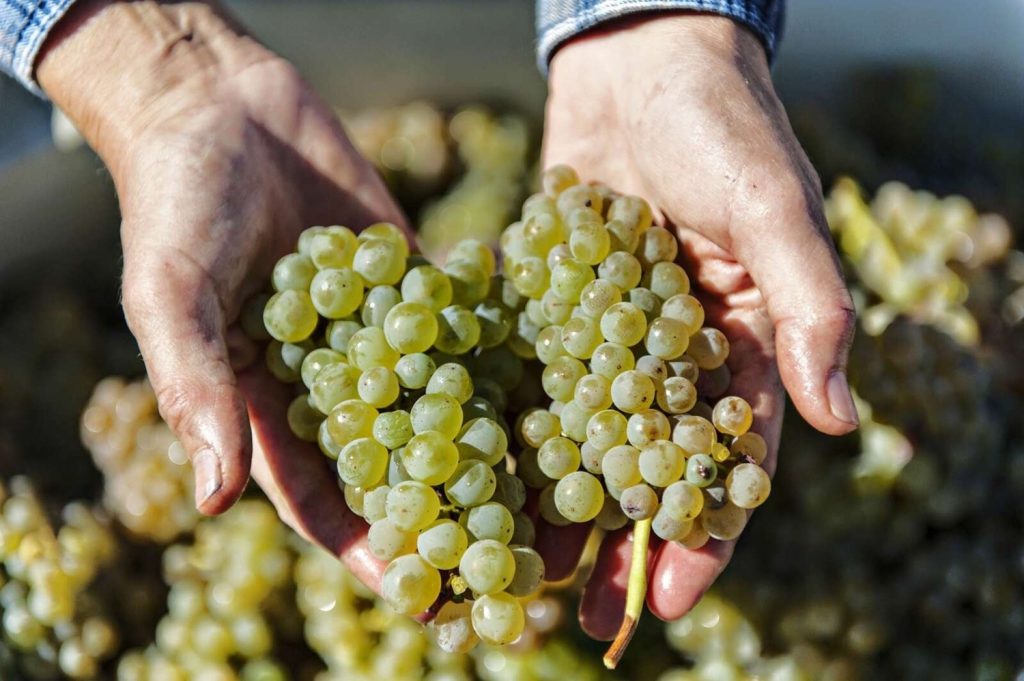
Aligote is a cross between a pinot family grape and Gouais Blanc.
This is not a shy grape, and its flavour profile has plenty to share. It has a vibrant citrus and mineral backbone so don’t be surprised to find wine made with this grape bringing on acidity, sharpness and zest right out of the glass.
As with all grapes, the timing of the harvest directly influences ripeness. Early picked aligoté have more mouthwatering acidity and less sugar alongside subtle floral and herbal undertones.
Tastes have changed as one might expect. Although there are reported decreases in wine consumption across the board, regardless of grape varietal composition, there is more aligoté single varietal wine produced today than 20 years ago. Aligoté was commonly seen as a simple, acidic wine, often associated with Kir or used for freshness in crémant/blends.
Nowadays the grape has a more elevated status. In France, “Les Aligoteurs” is an association founded in 2018 and is now made up of roughly 70+ producers promoting the variety. England’s Berry Bros. & Rudd notes aligoté was often co-planted with chardonnay, used for freshness, or as a crémant component.
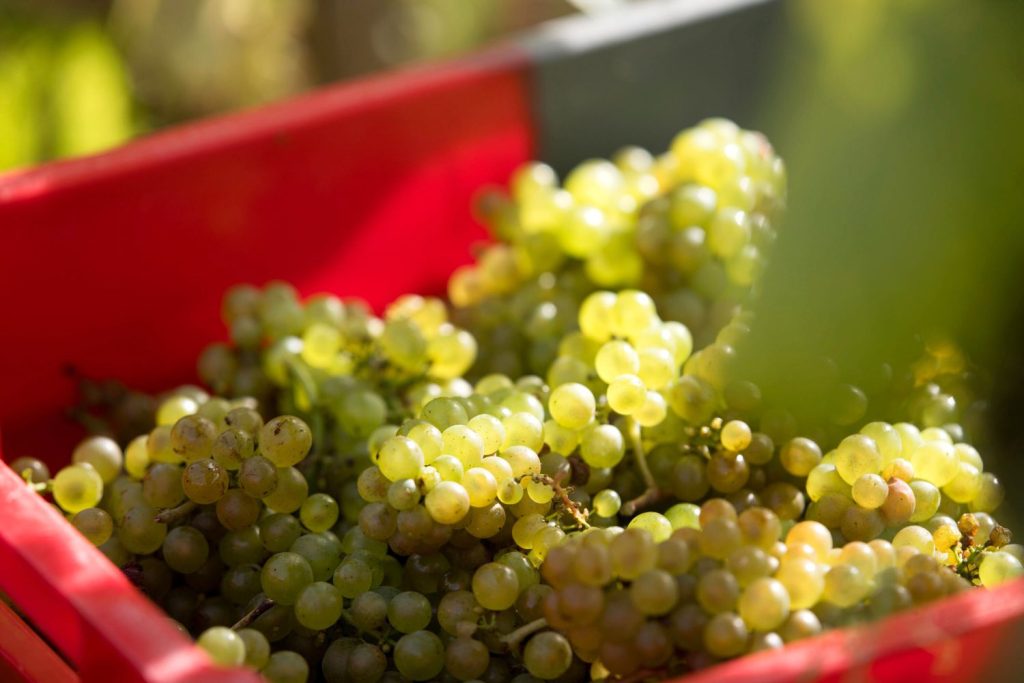
Aligote is not widely planted throughout Ontario, falling into the “other” 5% bracket pool of total grape plantings.
The trend is for growers to increasingly see its potential as a standalone wine. The official Bourgogne Aligoté AOC is substantial. In 2022 it clocked in at just under 1,700 hectares in production. It is, however, more likely that production is shifting to the standalone varietal bottling rather than a simple volume increase for blending.
Has Ontario, Canada increased its aligoté production? It’s hard to tease out the details because aligoté is not reported in the top 21 grapes grown there. It falls instead in the “other 5 percent” catch-all bucket. Considering Ontario has over 18,000 acres of wine grapes, that equates to around 900 acres of all “other” grapes – which means aligoté grape acreage is tiny.
Why Niagara in particular? It’s the climate and the soil. Layers of sedimentary rock and reef in the Niagara Escarpment underlain by clays, silt and sand all of which deliver singular minerality and character. This is a cool-climate region with big diurnal temperature shifts. The heat ripens the grapes and the cooler nights (with temperatures moderated by Lake Ontario) maintain the grapes fresh acidity.
Here are a couple of Niagara aligoté wines for you to pair with your summer meals and get togethers:
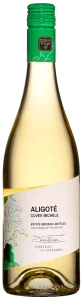 Château des Charmes in Niagara-on-the-Lake produces a single varietal Aligoté that is getting noticed. It is a crisp, mineral and citrus driven wine typical of the varietal and is estate-grown. At around $22 a bottle, it is accessible and good quality and value.
Another option for a VQA wine is MW Cellars, also in Niagara-on-the-Lake, Their Aligoté runs around $21 and offers that same nose and palate notes typical of the variety.
– Gillian Marks, PhD. is a contributing editor with VineRoutes