

How elevation shapes flavour, style, and identity in two distinct wine regions
As a wine educator who’s tasted and taught with bottles from across the globe, I can confidently say that altitude plays a more important role in wine than many realize. Whether leading a tasting in Toronto or El Salvador, one of my favourite comparisons to share with students is between Ontario’s low-altitude vineyards and Argentina’s high-elevation regions—especially Mendoza.
Let’s take a closer look at what I’ve come to observe over the years, both as a wine lover and as someone who’s passionate about helping others discover what’s in their glass:
Climate and geography: How altitude shapes the vine
In Ontario, vineyards sit fairly low—between 75 to 150 meters above sea level. The climate is cool, and the Great Lakes play a big role in keeping things balanced. I always tell my students: those bodies of water are like natural climate regulators. But even with that, the growing season is short, and wine growers have to make the most of it. Ontario has its own magic and style, and that’s perfectly okay!
Read Also: The A.I. advantage: Why wineries are tapping into smart tech
Shifting to Argentina, where things get dramatically higher—literally. In Mendoza, you’ll find vineyards climbing from 900 to over 1,700 meters above sea level. That altitude changes everything. The sun is intense during the day, but nights are cool. It’s a dream setting for grapes to develop rich flavours while still keeping their acidity, especially reds like malbec and cabernet sauvignon.
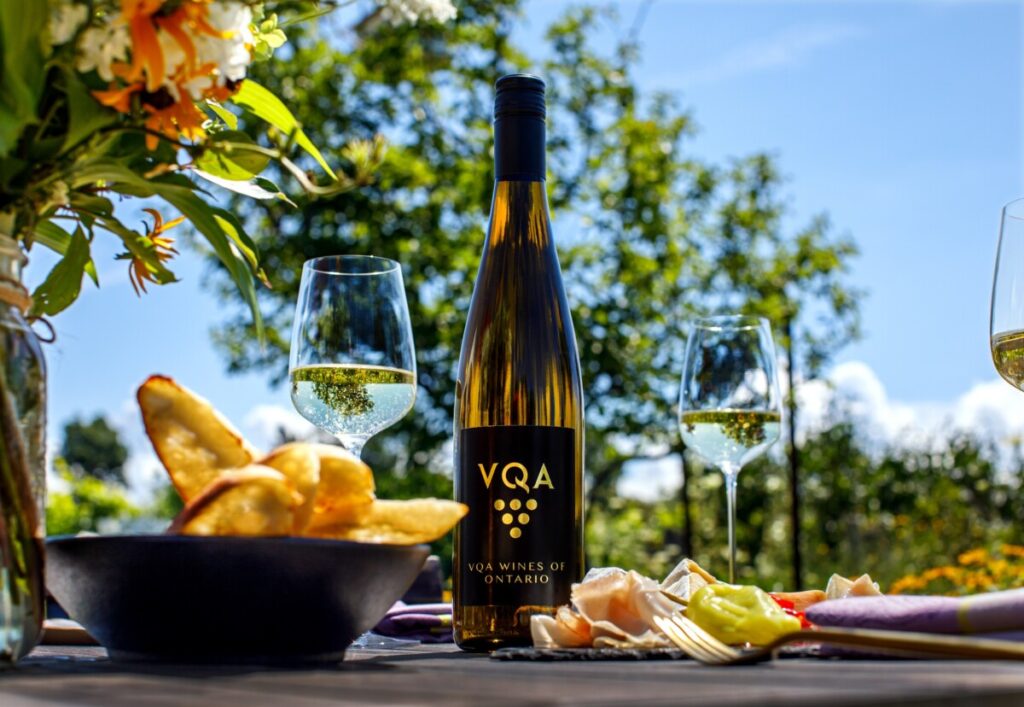
Ontario wines, with their higher acidity and moderate alcohol, are super unique and incredible with food.
Tasting profiles: What the altitude tells your palate
So, how does all this elevation affect what we taste? In my tastings, I’ve found some very clear patterns:
Feature | Ontario, Canada (Low Altitude) | Mendoza, Argentina (High Altitude) |
| Acidity | Bright and refreshing | Balanced, but still fresh due to cold nights |
| Alcohol | Moderate (12–13%) | Often higher (13.5–15%) due to stronger sun |
| Tannins | Softer, more approachable | Bolder, firmer tannins from thicker skins |
| Body | Light to medium | Medium to full-bodied |
| Fruit Profile | Red berries, citrus, minerality | Dark fruit, fig, plum, spice |
| Aromatic Intensity | Elegant and subtle | Intense, floral, sometimes spicy |
Signature grape varieties and styles
In Ontario, I’ve had the opportunity to work extensively with riesling, chardonnay, pinot noir, and cabernet franc—all of which thrive in the region’s cool climate and deliver distinctive, expressive styles.
Ontario riesling consistently stands out in class tastings for its electric acidity and citrus-mineral precision. It’s fresh and crisp, and shines in both off-dry and dry styles. For stellar examples, look to producers like Charles Baker, Thirty Bench, and Cave Spring.
Chardonnay has truly emerged as a regional flagship. It can range from mineral-driven and unoaked to rich and buttery, offering both versatility and elegance. We’re producing some incredible chardonnays here, with outstanding offerings from Bachelder, Cloudsley, Leaning Post, Hidden Bench, Westcott, Thirty Bench, and Malivoire.
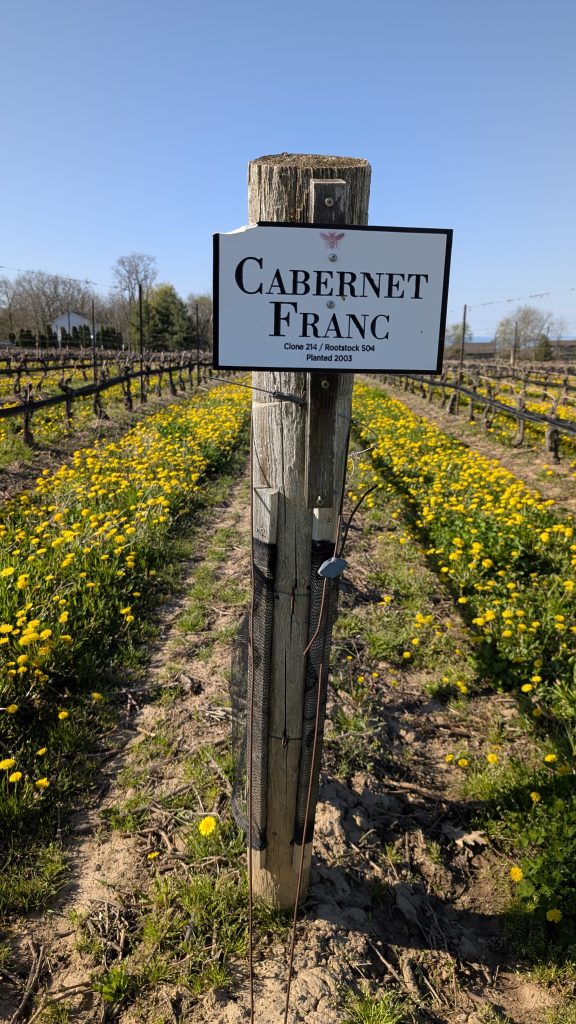
Cabernet franc delivers a unique Ontario signature.
Cabernet franc delivers a unique Ontario signature—fresh red fruit, silky texture, and herbal notes that make it remarkably food-friendly. It’s a variety you can recognize from here, and one we love to champion. I recommend trying Thirty Bench’s Small Lot, Tawse’s Growers Blend, and Stratus for a true taste of what the region can do.
In Argentina, of course, malbec is the undisputed star—and for good reason. It’s bold, expressive, and beautifully suited to high-altitude growing. But I always encourage students to look beyond malbec and explore more of what the country offers.
Torrontés, for example, is a standout. Floral and aromatic, it surprises everyone with its intensity and freshness. The best examples come from Salta and Mendoza—try the Susana Balbo Late Harvest Torrontés from Paraje Altamira, or the Signature Barrel Fermented version if you can find it.
Cabernet sauvignon also excels in Argentina’s high-elevation vineyards. Iconic expressions come from names like Nicolás Catena Zapata in Agrelo, Adrianna Vineyard in Gualtallary, and Nicasia in Altamira. Other top-tier options include Domaine Bousquet’s Ameri Organic, Zuccardi’s Los Membrillos, Rutini’s Apartado, and Escorihuela Gascón.
Even chardonnay delivers something unique in Argentina—often richer and more tropical than Ontario’s, but still shaped by altitude, with mountain freshness and mineral nuance. Catena’s White Stones is impeccable, and their High Mountain Chardonnay is another standout. I also love El Enemigo Chardonnay, Argento Single Vineyard Gualtallary, and many others.
Winemaking techniques influenced by altitude
Ontario winemakers have to work quickly and precisely. The weather doesn’t wait. Early harvesting, cool fermentation, and careful use of oak are strategies used to protect those delicate flavours and maintain freshness.

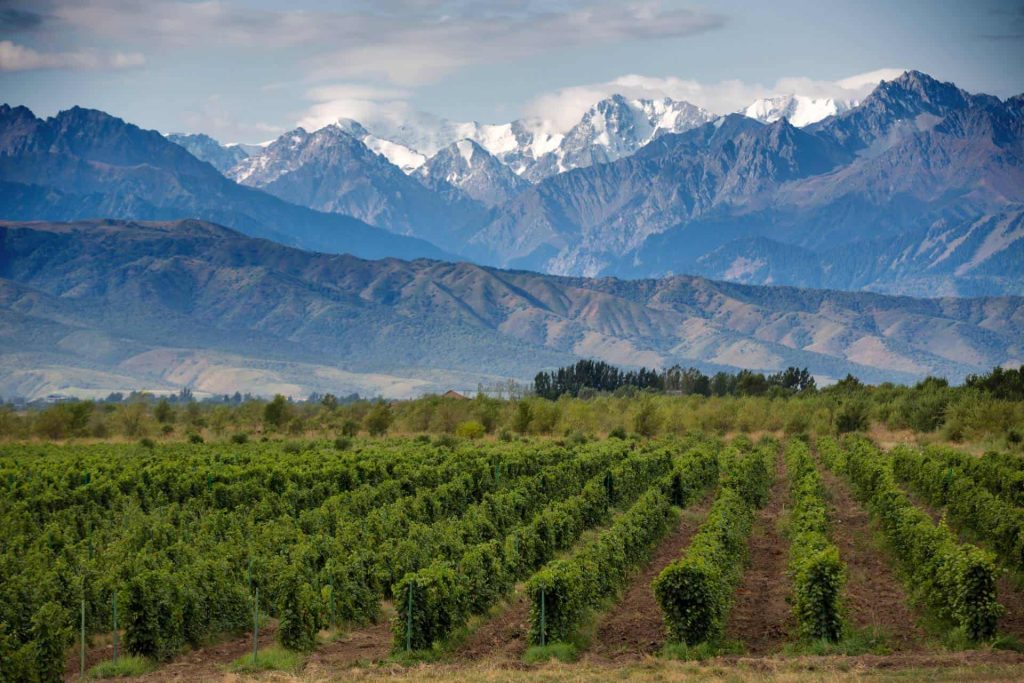
Vineyards near Mendonza, Argentina, with the Andes Mountains in the background.
In Argentina, especially in higher zones, winemakers have the luxury of sun and dry air. They use Andean snowmelt to irrigate vineyards (a fact that always amazes my students), and they often use concrete eggs or large foudres to ferment—techniques that help preserve texture and purity.
Food pairing
Ontario wines, with their higher acidity and moderate alcohol, are super unique and incredible with food. I usually pair Ontario riesling with sushi or spicy food, and pinot noir with roast chicken or mushroom, or savoury dishes. They’re versatile and refined.
Argentine wines are bolder—they shine with grilled meats, barbecue, and anything hearty. A malbec with an asado is one of those perfect food-wine moments. And if you haven’t tried torrontés with spicy Latin dishes, you’re missing out.
Two terroirs, one fascinating contrast
If there’s one thing I’ve learned through teaching wine, it’s that no two places are the same—and altitude is one of the biggest differentiators.
Ontario’s wines are precise, vibrant, and subtle. Argentina’s are expressive, powerful, and bold. Both are reflections of their landscapes, cultures, and climates and that show their personality.
Next time you’re exploring wines, try putting a cool-climate Ontario white next to a high-altitude Argentine red. It’s one of the best ways to understand how altitude influences not just what’s in the bottle—but also how we experience and enjoy wine.
 Ellen Lainez is the founder and director of the Wine Consul in Canada and The Wine Consulate (Central America) providing hospitality training, beverage training and corporate events and private wine tours. Visit her page at www.thewineconsul.com.