


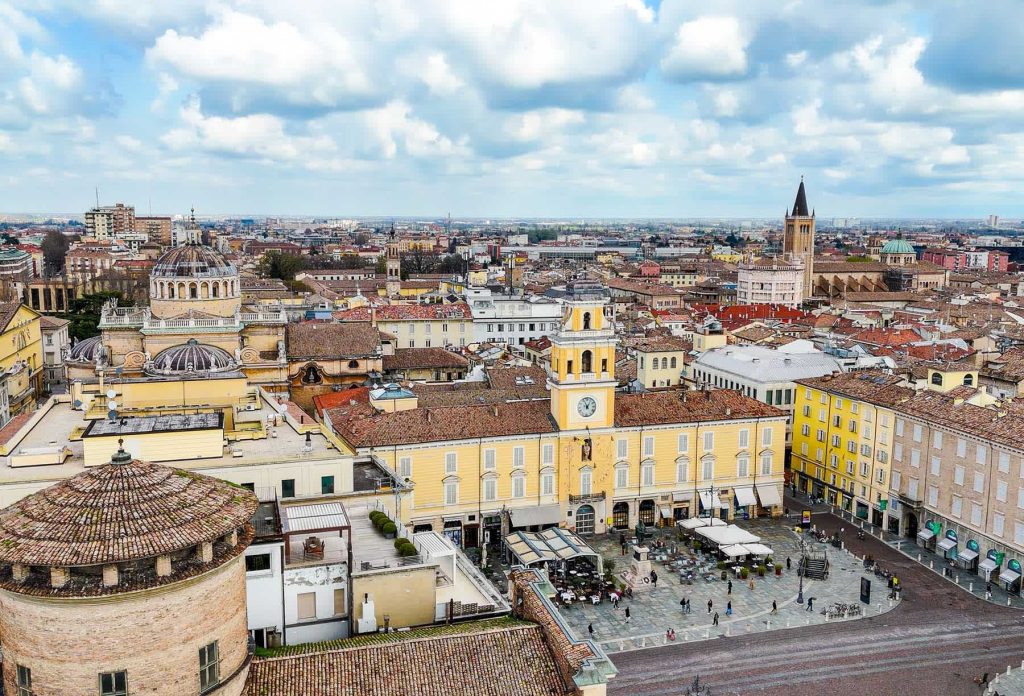
From Parmigiano Reggiano and prosciutto to Lambrusco and balsamic vinegar, a four-day journey through Emilia-Romagna reveals why this corner of Italy remains one of the world’s great gastronomic destinations
There are places you visit for the sights, and then there are places you visit for the flavours. Italy’s Parma Food Valley—set within the fertile heart of Emilia-Romagna—belongs firmly in the latter category.
Over the four days that I spent weaving through the elegant streets of Parma, the culinary powerhouse of Modena, and the quieter charm of Colorno and other nearby towns, one thing became abundantly clear: here, food is not simply consumed—it is lived.
Read Also: Exploring Croatia’s Dalmatian Coast: wine, food, and culture
That idea feels especially relevant now. Italian cuisine has recently been recognized by UNESCO as part of the world’s intangible cultural heritage. It’s an acknowledgment not just of recipes, but of rituals, traditions, and a deeply rooted connection between food, people, and place. Nowhere is that more evident than within the Parma Food Valley.
This is an area where some of Italy’s most iconic products are not only made, but deeply embedded in everyday life. Parmigiano Reggiano, Prosciutto di Parma, traditional balsamic vinegar, and fresh pasta are not luxuries; they’re the cultural backbone of a place that has been refining its culinary identity for centuries.
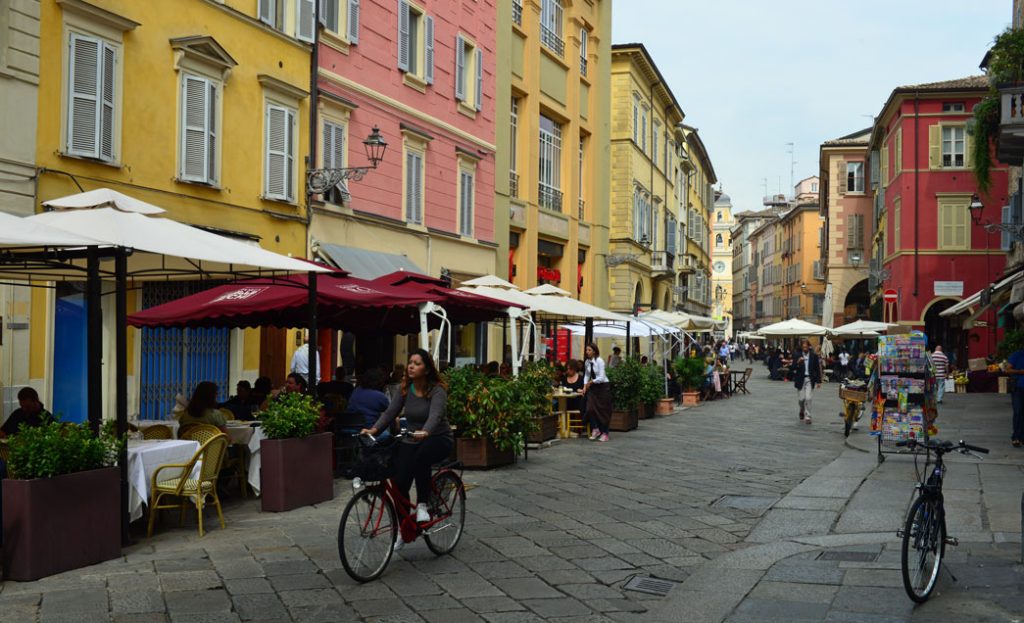
The streets of Parma evoke a region’s cultural heritage, complete with restaurants, wine bars, and local produce shops.
At the centre of it all is a growing movement to position Parmigiano Reggiano as more than just a product, but a destination. With approximately four million visitors already passing through the region annually, initiatives are underway to transform that number into a more engaged, experience-driven audience; one that connects directly with dairies, farms, and producers. The goal is ambitious: to grow dedicated food tourism from roughly 85,000 visitors to 300,000 by 2029, reinforcing the bond between land, product, and people.
What makes Parma Food Valley so compelling—and ultimately a must-stop for food travel enthusiasts—is not just the quality of what’s produced here, but the clarity of its identity. Every bite, every sip, every experience feels connected—to the land, to tradition, and to a way of life that has remained remarkably intact.
Parmigiano Reggiano: A thousand years in the making
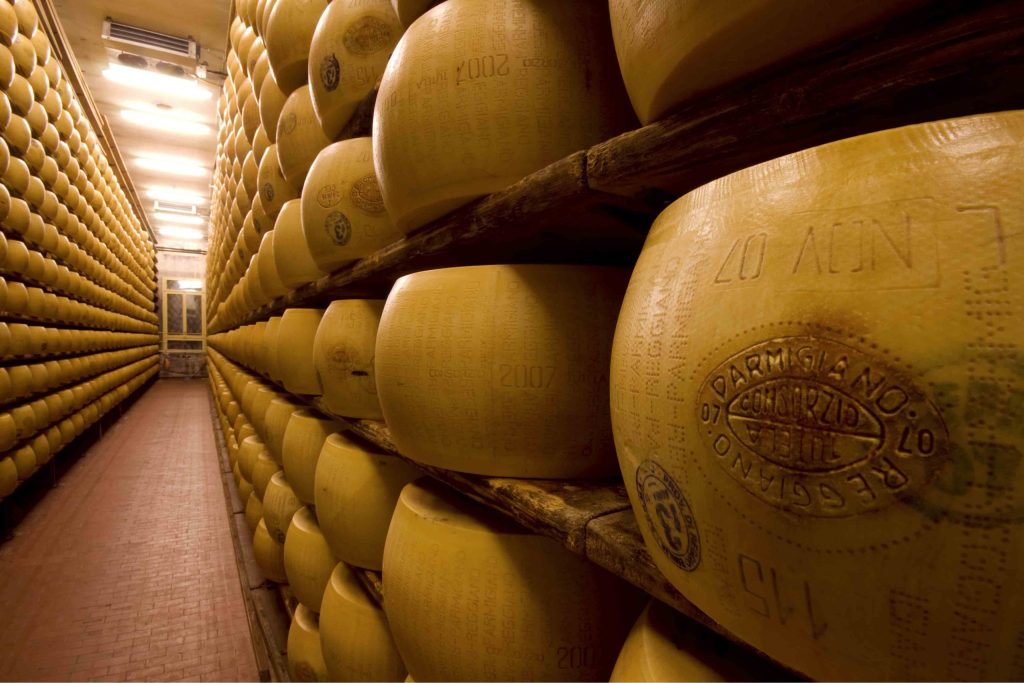
Parmigiano Reggiano is a vital part of the region’s success story.
Few foods carry the weight of history quite like Parmigiano Reggiano. Its origins date back nearly 1,000 years, to around the 13th century, when Benedictine monks first developed the techniques that still define its production today.
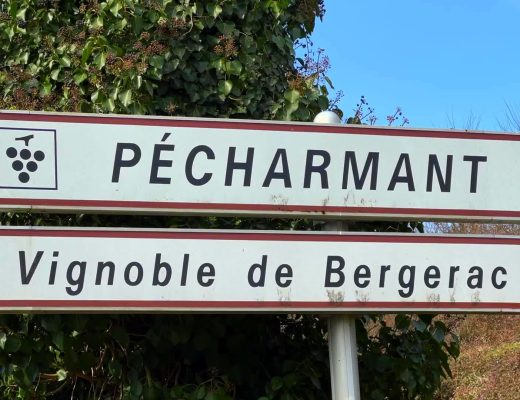
What makes it remarkable is not just its longevity, but its immutability. Parmigiano Reggiano can only be produced in a tightly controlled area spanning five provinces within Emilia-Romagna. The milk, the method, the maturation. Everything is intrinsically tied to this land. To taste it here is to understand that it is more than cheese. It is a reflection of terroir, tradition, and time. In Parma, Parmigiano Reggiano is not just a staple; it is a way of life.
 Lambrusco: The region’s misunderstood essential
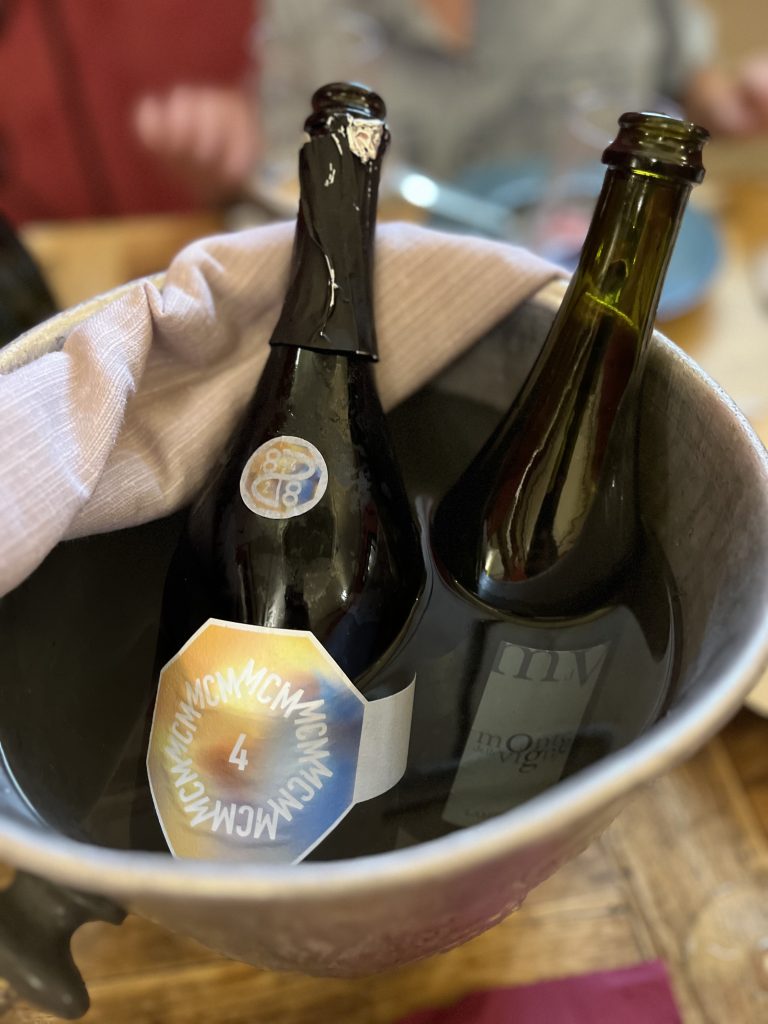 Lambrusco: The region’s misunderstood essential
If Parmigiano Reggiano is the backbone of the region, Lambrusco is its pulse.
Often misunderstood abroad, Lambrusco in Emilia-Romagna is dry, vibrant, and unapologetically food-driven. It appears early—frequently poured as an aperitivo—and stays on the table throughout the meal. Its lively acidity and gentle effervescence cut through the richness of cured meats and cheeses with precision, resetting the palate and inviting the next bite.
Across meals, I found myself reaching for it instinctively. Whether a deeper, more structured Lambrusco Grasparossa or a lighter, floral Lambrusco di Sorbara, each glass reinforced the same idea: this is not just a regional wine, it is an essential part of how the region eats.
Where to eat, drink, and experience Parma and beyond
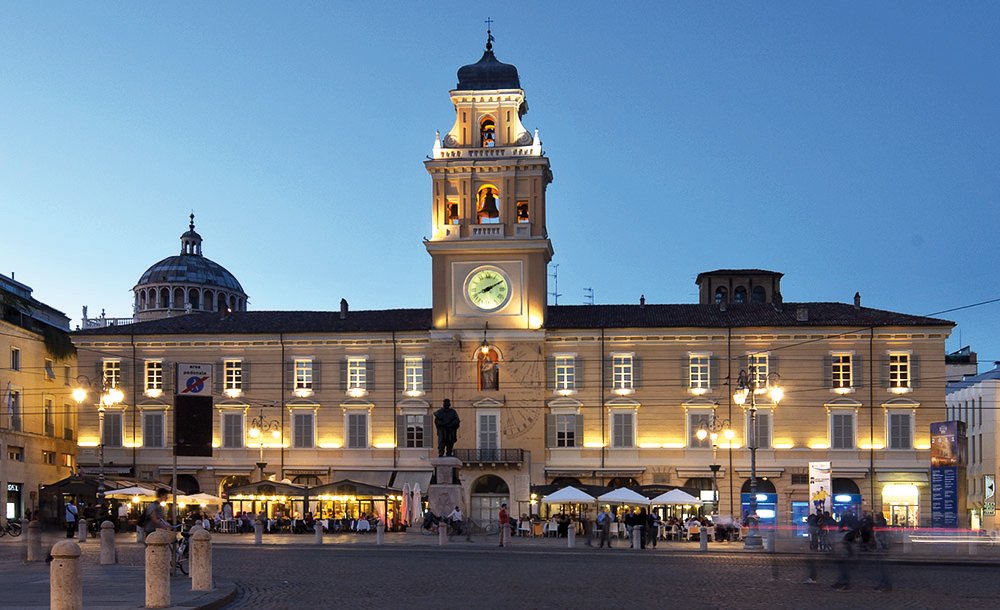
Piazza Garibaldi
Stay
NH Hotel Parma
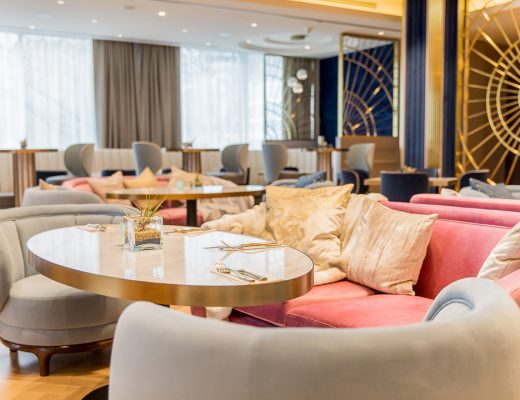
A comfortable and conveniently located base, NH Hotel Parma sits just a short walk from the city’s historic core, close enough to wander into Piazza Garibaldi within minutes, yet removed enough to offer a sense of calm at the end of a long day.
Mornings begin with an expansive breakfast that feels almost excessive in the best possible way: fresh pastries, local cheeses and cured meats, eggs, fruit, and strong Italian coffee that sets the tone for the day ahead. It’s the kind of place that quietly does everything well; efficient, modern, and exactly what you want when your days are built around eating and exploring.
Dine
Antichi Sapori
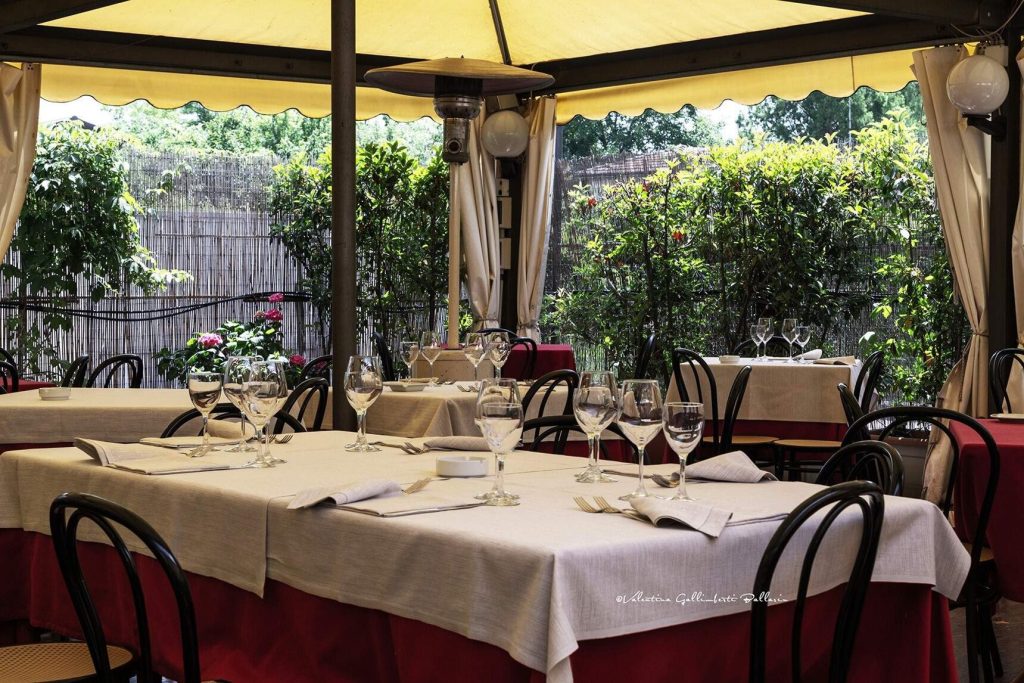
A warm introduction to Parma’s culinary identity, Antichi Sapori feels like stepping into the rhythm of everyday local life. The rooms hum with conversation, plates arrive with little fanfare, and the focus stays exactly where it should: on the food.
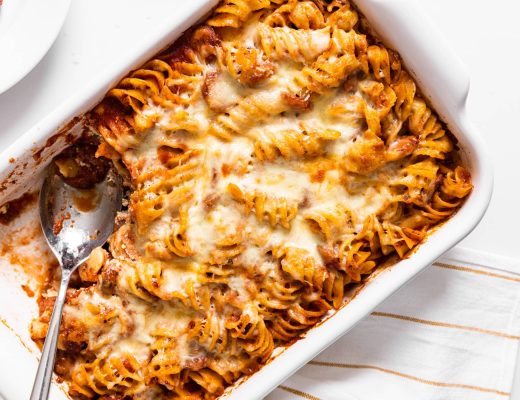
Handmade pastas are the highlight, from delicate tortelli to rich, comforting plates that lean into butter, Parmigiano Reggiano, and tradition. It’s unpretentious, deeply satisfying, and the kind of place that immediately sets the tone for what dining in Parma is all about.
Croce di Malta
Tradition takes centre stage in a setting that feels both historic and lived-in. There’s a sense of continuity here, like the recipes haven’t changed much, and no one sees a reason to.
The menu reads like a greatest hits of the region: silky pastas, carefully sliced prosciutto, and dishes that highlight the depth and versatility of Parmigiano Reggiano. It’s the kind of, dare I suggest, simple meal where everything feels familiar but is executed with a level of care that reminds you why these dishes have endured.
Podere Cadassa and Al Vedel
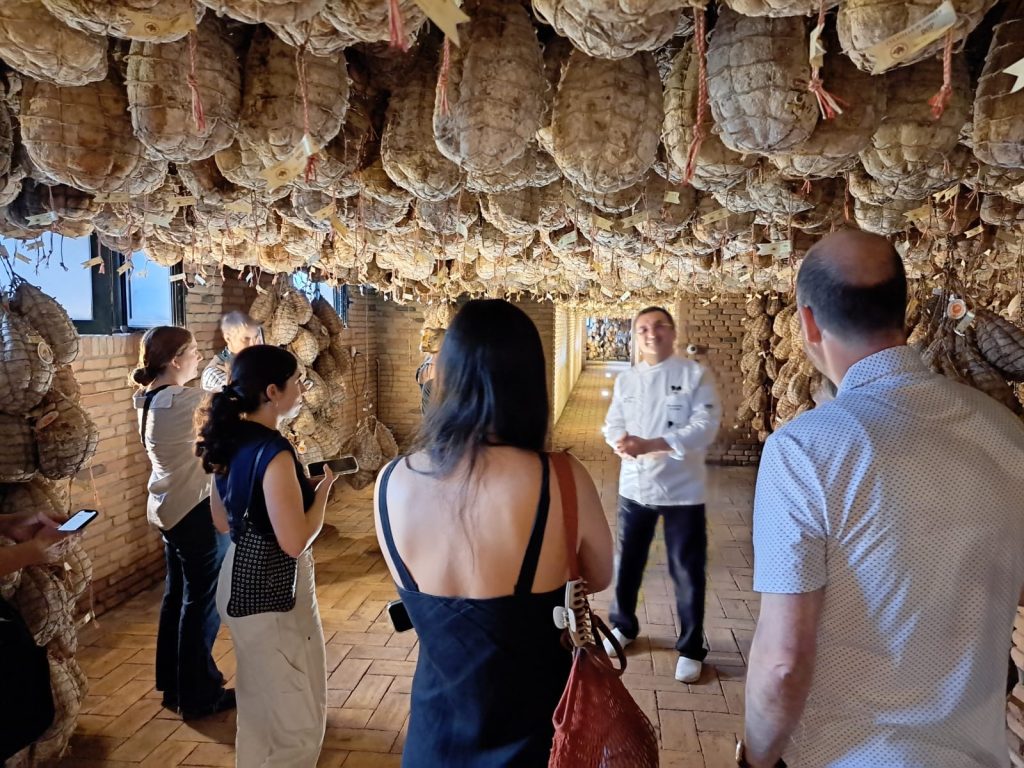
Culatello hangs from every square inch of the ceiling at Podere Cadassa at Al Vedel.
If there is a single experience that captures the spirit of the region’s food culture, it might be Al Vedel.
Renowned for its mastery of Culatello di Zibello—arguably Italy’s most prized cured meat—the visit begins in the cellars (what they’ve named Podere Cadassa, meaning farmstead), where rows of aging culatelli hang from the ceiling in carefully controlled conditions. The air is thick with history, humidity, and anticipation.
What follows is more than just a tasting. It’s an education. From understanding the differences in curing to tasting the final product, every step builds toward the meal that follows. Even a hands-on moment of pasta-making adds to the experience, grounding it in tradition.
Lunch becomes the payoff: a deeply satisfying progression of dishes that highlight the nuance, texture, and quiet complexity of culatello. It’s immersive without being staged; one of those rare experiences that feels both curated and completely authentic.
Ai Due Platani
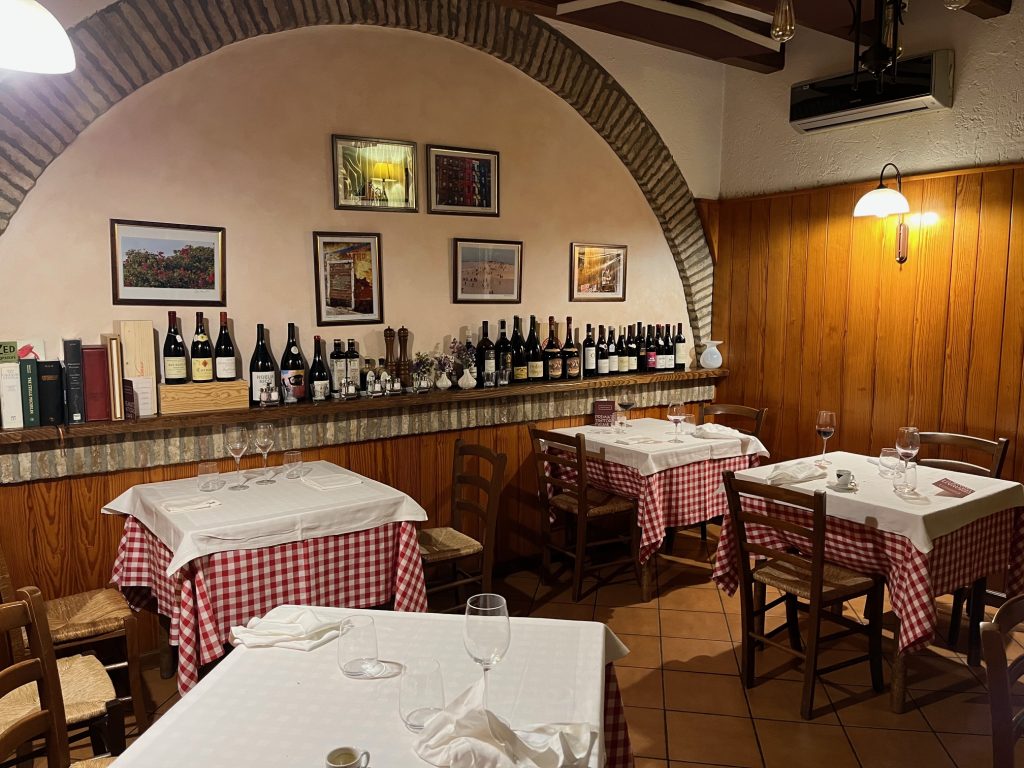
Perhaps this is Parma at its most honest, with generous portions, rich flavours, and dishes that lean unapologetically into butter, cheese, and tradition.
It’s the kind of traditional meal (within its traditional setting) that feels grounding. No reinvention, no reinterpretation, just a confident expression of what the region does best.
Cortex
Modern and inventive, Cortex offers a sharp contrast to the region’s more traditional trattorias. Here, the flavours of Emilia-Romagna are reinterpreted through a more contemporary lens—plating is precise, techniques are refined, and the menu feels intentionally forward-thinking.
Yet, it never loses its connection to place. Instead, it shows how deeply rooted ingredients can evolve without losing a cultural identity.
Osteria del Viandante
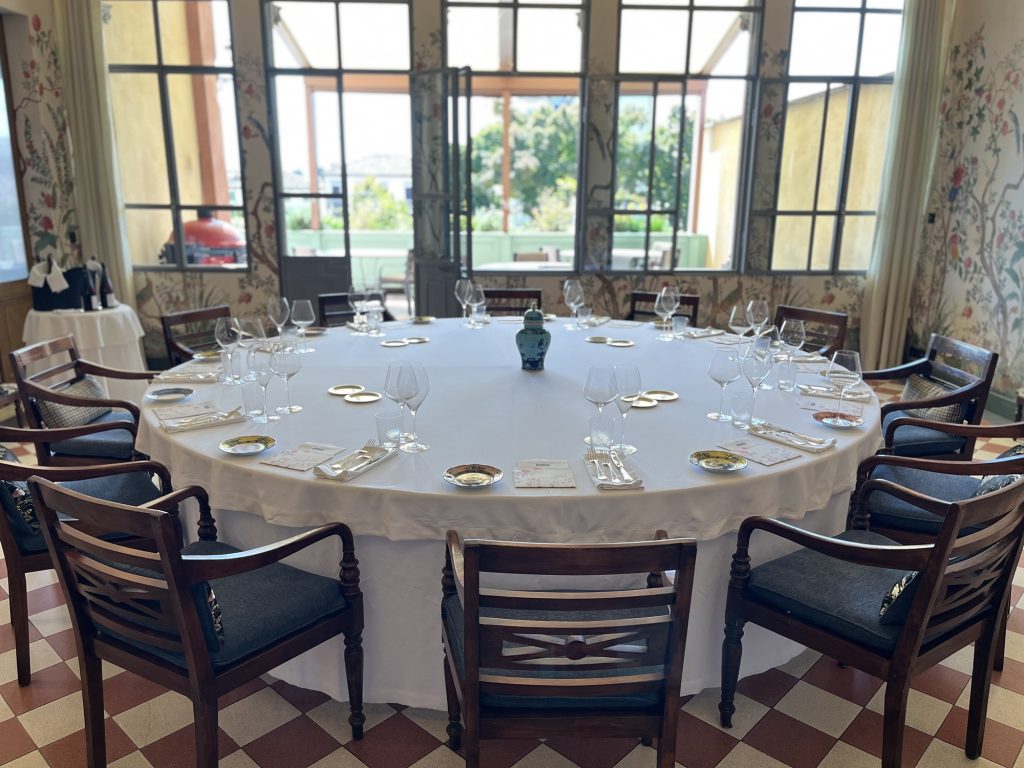
A standout experience, Osteria del Viandante (one Michelin star) is super elegant without being overdone: white linen tablecloths, soft natural light pouring in from the terrace, and a calm, understated atmosphere that invites you to settle in.
The cooking is seasonal, with each dish carefully composed, grounded in the region’s identity. That same sense of intention carries through to the wine program, where an extensive list and well-curated cellar offer both depth and discovery, pairing seamlessly with the kitchen’s approach.
It’s the kind of place where everything aligns, creating an experience that feels as complete as it is memorable.
Drinks
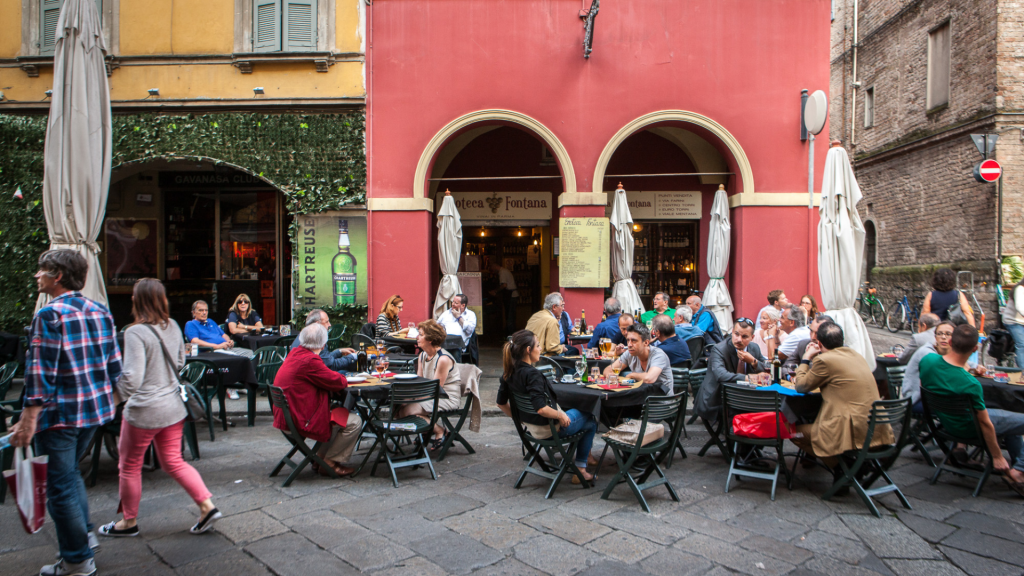
Enoteca Fontana
Aperitivo hour quickly becomes part of the daily rhythm.
At Tabarro, the atmosphere is lively and social – crowded in the best way, with glasses clinking and plates of small bites circulating as locals gather to unwind. It’s the perfect place to ease into the evening.
For something more wine-focused, Enoteca Fontana offers a deeper dive into the region’s bottles. Here, Lambrusco reveals its range, poured in different styles, each one reinforcing just how versatile and food-friendly it can be.
Experiences
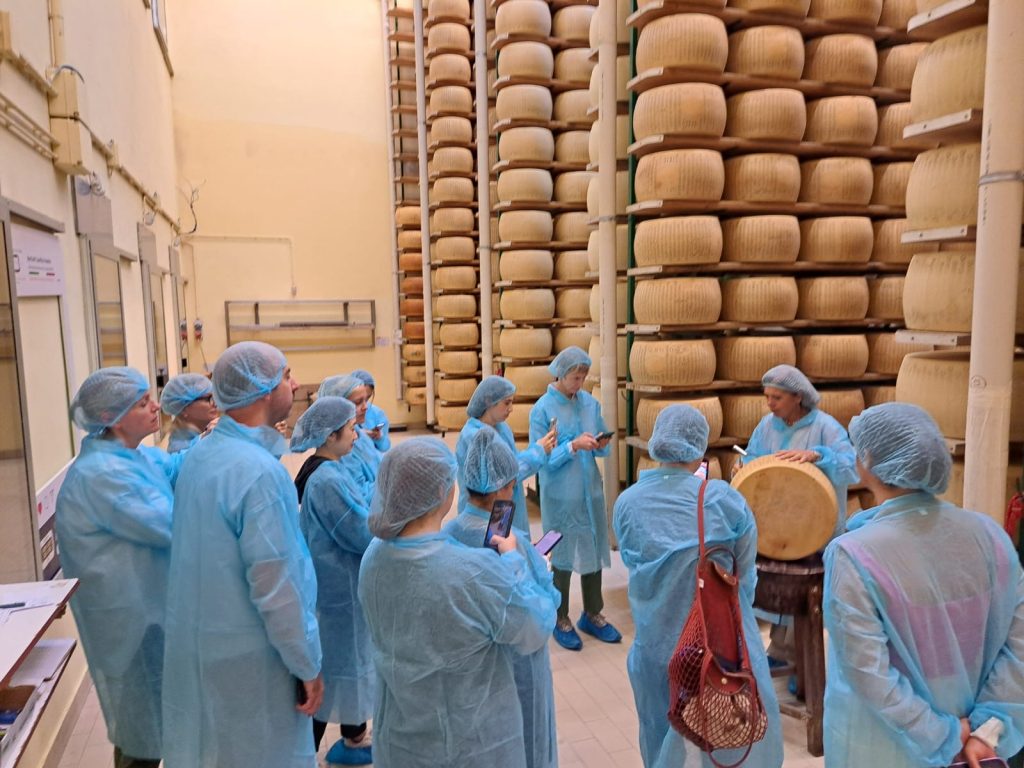
Parmigiano Reggiano Dairy Tour
No visit to Parma is complete without stepping inside a working Parmigiano Reggiano facility.
Arriving early in the morning, you watch as milk is transformed into massive wheels. It’s an almost hypnotic process that blends precision with tradition. Copper vats, practiced hands, and a rhythm that has remained unchanged for centuries.
The tasting that follows is where it all clicks. Sampling Parmigiano Reggiano at different stages of aging—from younger, milky expressions to deeply complex, crystalline textures—reveals just how dynamic this “simple” cheese can be.
A visit to Modena: Acetaia di Giorgio
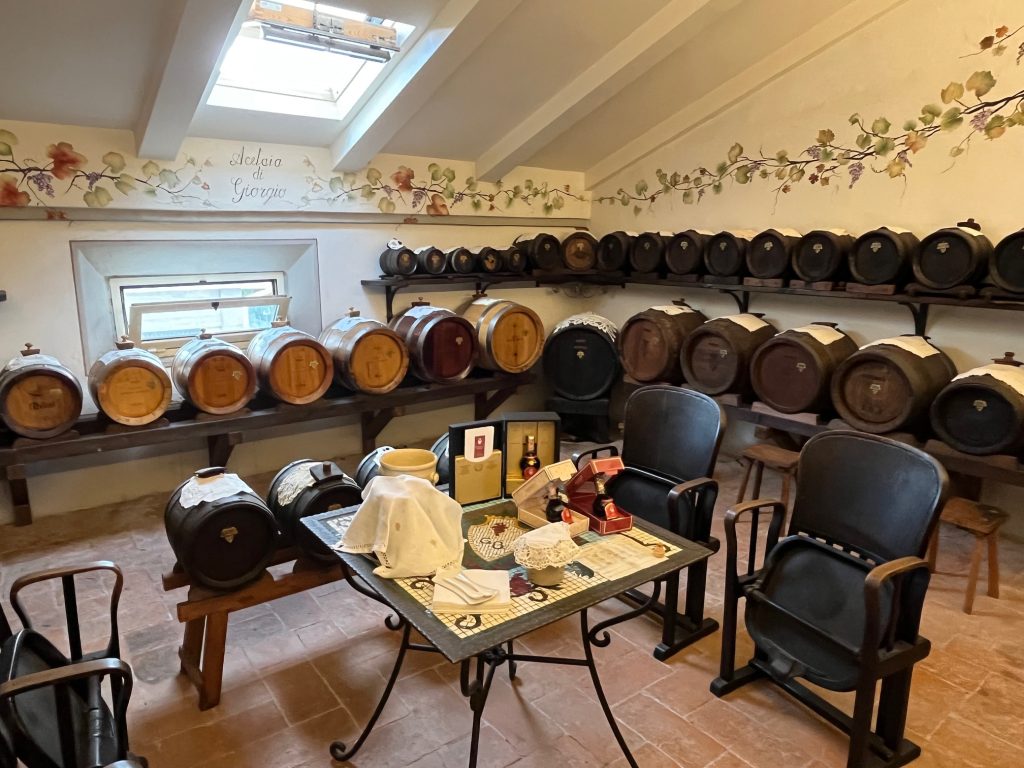
A short drive to Modena offers another essential experience: traditional balsamic vinegar.
At Acetaia di Giorgio, production takes place in quiet attic spaces, where rows of wooden barrels hold vinegar aging for decades. Time is the defining ingredient here. Evaporation, concentration, patience.
Tasting it is a revelation. Thick, balanced, and intensely complex flavours, with a depth that transforms even a single drop into something memorable.
Event highlight: Cena dei Mille
Set against the grandeur of Piazza Garibaldi, the Cena dei Mille is one of the region’s most extraordinary culinary events, and easily one of its most memorable.
A single, elegantly set table stretches across the square, hosting 1,000 guests for a multi-course dinner that celebrates Parma’s six key supply chains: Parmigiano Reggiano, Prosciutto di Parma, pasta, tomato, milk, and anchovies.
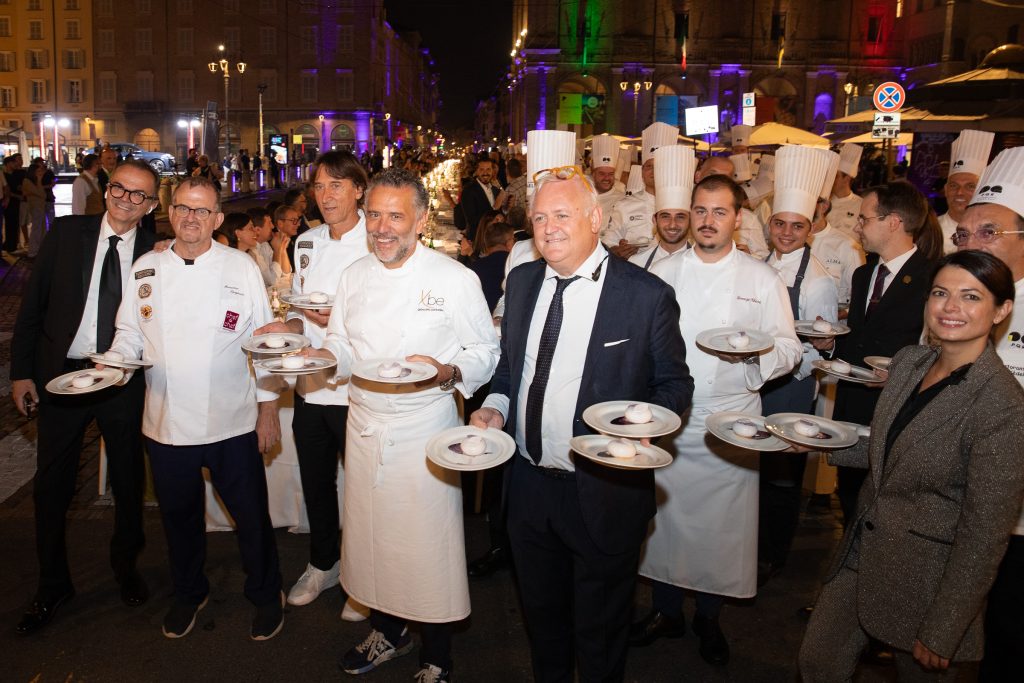
La Cena dei Mille 2025
The scale is staggering with over 200 chefs and waitstaff orchestrating the evening, more than 1,000 bottles of wine poured, and a menu that reads like a who’s who of regional talent.
And yet, what stands out most is not the size, but the feeling. Sitting shoulder to shoulder with strangers, sharing food that tells the story of the land, the experience becomes something more than a dinner. It becomes a celebration of identity; of a place that understands, perhaps better than anywhere else, how to bring people together through food.
If you’re in the region come September each year, this is a dinner party worth signing up for.
Parma’s museums and cultural sites
Beyond the table, Parma offers a rich cultural counterpoint through its museums and galleries, well worth carving out time between meals. The city’s artistic heritage reveals itself in layers, from Renaissance masterpieces to more contemporary collections, all housed within beautifully preserved historic buildings.
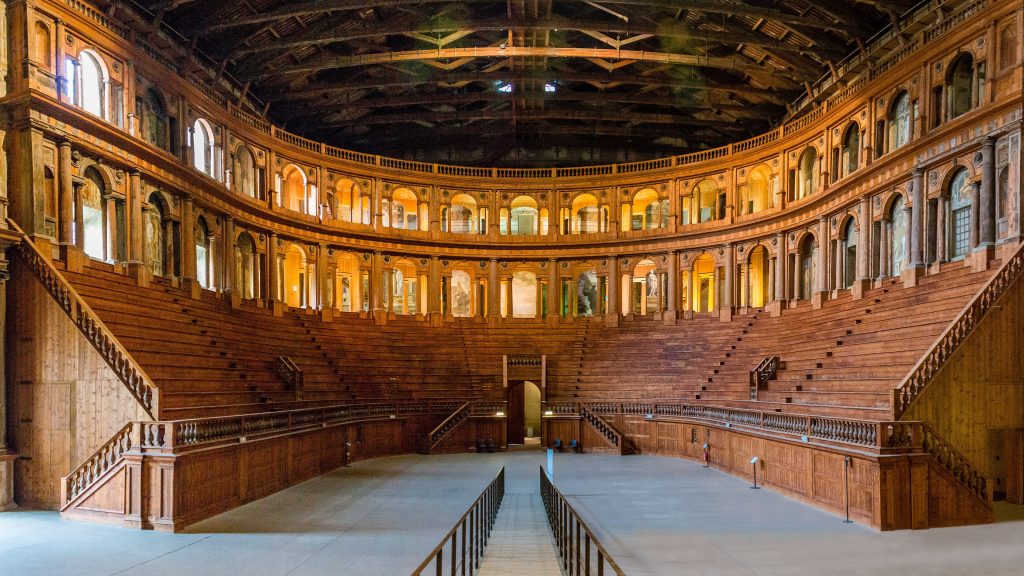
Among the most striking is the Teatro Farnese (pictured above), an extraordinary wooden theatre commissioned by Ranuccio I Farnese and inaugurated in 1628. Built almost entirely of wood, its scale and design feel astonishing even today. In its early days, performances were nothing short of theatrical spectacles—so elaborate that the stalls could be flooded to stage mock naval battles. Standing inside, you get a sense not only of its grandeur, but of a time when performance blurred the line between art and engineering.
Historic churches, cathedrals, and Piazza Garibaldi
A guided walk through Parma’s historic core inevitably leads to its remarkable churches and cathedrals, which anchor the city’s architectural and spiritual history. Among them, the Cattedrale di Santa Maria Assunta (Parma Cathedral) stands as a defining highlight. Its Romanesque façade gives little away compared to what awaits inside, where Correggio’s breathtaking frescoed dome draws the eye upward in a swirl of movement and light.
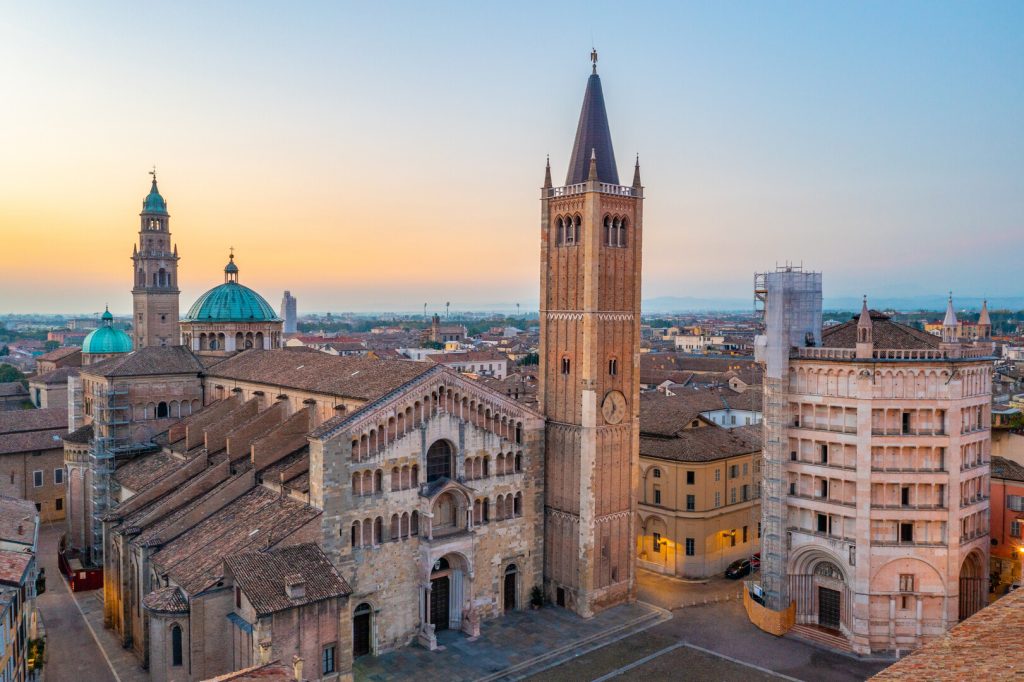
Cattedrale di Santa Maria Assunta (and Baptistery to the right).
Just steps away, the Baptistery—clad in pink Verona marble and dating back to the 12th century—adds another layer of history and craftsmanship to the experience.
From there, the city opens up into Piazza Garibaldi, Parma’s central square and beating heart. Lined with historic buildings, cafés, and a steady rhythm of daily life, it’s where locals gather, where conversations stretch over aperitivo, and where the city feels most alive. It’s also the stage for major events like the Cena dei Mille.
Wandering through these spaces offers a moment of pause amid the indulgence of the region. Humbling in scale, you begin to see how art, culture, and cuisine are not separate threads here, but part of the same fabric.
– Carmelo Giardina is the principal editor of VineRoutes and traveled to Parma in September, 2025 for an immersive media and discovery tour.